Carly Gregg’s Top Hatchbacks of 2024
The hatchback segment continues to deliver some of the most versatile, efficient, and entertaining vehicles on the road. Whether you’re navigating city streets or tackling weekend adventures, today’s hatchbacks offer a compelling blend of practicality and performance. As an automotive enthusiast and contributor to Drive Pulse Daily’s automotive coverage, I’ve spent considerable time evaluating the standout models that define 2024’s hatchback landscape.
In this comprehensive guide, I’m sharing my carefully curated selections of the best hatchbacks available this year, examining everything from fuel efficiency and interior space to driving dynamics and technology integration. These vehicles represent the pinnacle of what modern hatchback engineering can achieve.
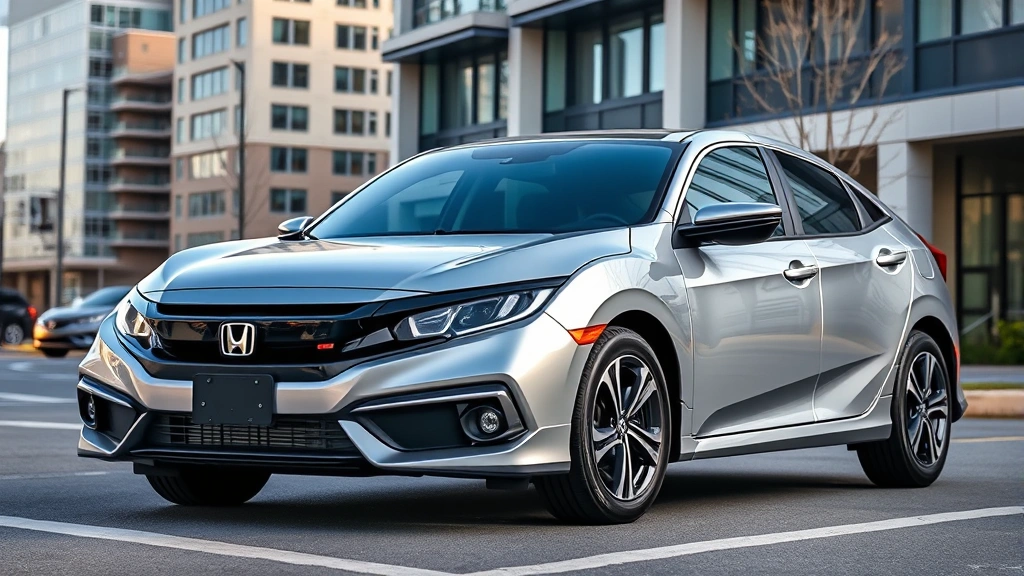
Honda Civic Hatchback: Sporty Performance Meets Daily Practicality
The Honda Civic Hatchback stands as a benchmark for balanced hatchback design in 2024. This generation delivers a refined driving experience with its turbocharged 1.5-liter engine producing 180 horsepower and 177 pound-feet of torque. The responsive handling characteristics make it genuinely enjoyable during spirited drives, while the practical cargo area accommodates your daily needs without compromise.
What distinguishes the Civic Hatchback is Honda’s meticulous attention to interior quality and user interface design. The cabin materials feel premium without excessive cost, and the infotainment system integrates smartphone connectivity seamlessly. For those prioritizing fuel efficiency and modern technology, the Civic delivers approximately 31 mpg combined, making it competitive in its class.
The turbocharged powerplant provides adequate acceleration for highway merging and passing maneuvers, while the available six-speed manual transmission appeals to driving enthusiasts who value engagement. Honda’s reputation for reliability means you’ll spend less time in service departments and more time enjoying the road.
Volkswagen Golf GTI: The Hot Hatch Standard
The Volkswagen Golf GTI remains the archetypal hot hatchback, and 2024’s iteration refines what made previous generations legendary. With a turbocharged 2.0-liter engine generating 245 horsepower and 273 pound-feet of torque, the GTI delivers genuine performance credentials. The seven-speed dual-clutch transmission enables rapid gear changes, contributing to a 0-60 time of approximately 6.2 seconds.
What elevates the GTI beyond raw numbers is its chassis tuning. The suspension balances comfort during daily commuting with responsiveness during aggressive cornering. Adaptive dampers adjust in real-time, managing bumps and maintaining composure through technical sections. The steering feel remains communicative—a quality increasingly rare in modern vehicles—allowing drivers to sense road surface variations and weight transfer.
The interior showcases Volkswagen’s German engineering philosophy with straightforward controls and logical layout. The digital cockpit display provides customizable information presentation, letting you monitor turbo boost pressure, g-force data, or traditional speed and fuel consumption metrics. According to Car and Driver’s testing, the GTI achieves approximately 26 mpg combined while delivering thrilling acceleration.
Hyundai Veloster N: Affordable Thrills
Hyundai’s Veloster N democratizes performance hatchback ownership, delivering track-capable dynamics without luxury brand pricing. The turbocharged 2.0-liter engine produces 275 horsepower and 260 pound-feet of torque, enabling 0-60 acceleration in approximately 6.1 seconds. The eight-speed dual-clutch transmission provides rapid shifts and launch control functionality for aggressive starts.
The Veloster N’s chassis engineering reflects Hyundai’s commitment to performance. Independent double-wishbone front suspension paired with a multi-link rear setup creates a foundation for precise handling. Electronically controlled dampers and an active exhaust system allow customization of the driving experience through selectable modes. The braking system utilizes Brembo components, ensuring confident stopping power during spirited driving.
For budget-conscious enthusiasts, the Veloster N represents exceptional value. The starting price positions it below competitors offering comparable performance, making it accessible to drivers previously excluded from the hot hatchback market. The warranty coverage provides peace of mind, and Hyundai’s reliability ratings continue improving annually.

Toyota Corolla Hatchback: Reliability and Value
The Toyota Corolla Hatchback prioritizes dependability and efficiency over outright performance. The 2.0-liter naturally aspirated engine produces 168 horsepower and 151 pound-feet of torque, suitable for daily driving without excessive fuel consumption. The continuously variable transmission optimizes efficiency, achieving approximately 31 mpg combined.
Toyota’s engineering philosophy emphasizes longevity and minimal maintenance requirements. The Corolla Hatchback carries the brand’s reputation for reliability, with many owners reporting 200,000+ mile service intervals. This translates to lower total cost of ownership compared to performance-focused competitors requiring premium fuel and more frequent service visits.
The interior accommodates five passengers comfortably, with rear legroom exceeding many competitors. The cargo area expands from 17.8 cubic feet with rear seats up to 46.8 cubic feet with seats folded, making it practical for larger loads. Standard safety features include Toyota Safety Sense, a comprehensive driver assistance suite incorporating adaptive cruise control, lane departure alert, and automatic emergency braking.
Mazda3 Hatchback: Driving Engagement Redefined
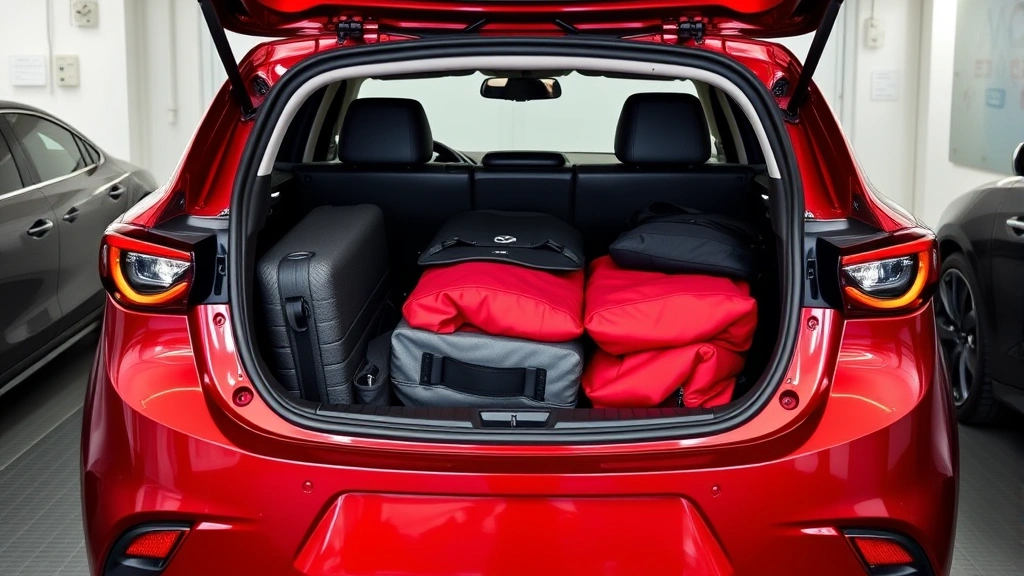
Mazda’s philosophy centers on creating vehicles that engage drivers emotionally, and the 2024 Mazda3 Hatchback exemplifies this approach. The 2.5-liter naturally aspirated engine produces 191 horsepower and 186 pound-feet of torque, delivering responsive performance without turbocharging complexity. The six-speed automatic transmission maintains smooth power delivery across the rpm range.
What distinguishes the Mazda3 is its chassis tuning and steering precision. The suspension geometry creates excellent body control during cornering while managing road imperfections effectively. The steering ratio provides quick responses without feeling twitchy during normal driving. This calibration creates an engaging experience during enthusiastic driving while maintaining comfort during daily commuting.
The interior showcases Mazda’s design language with flowing lines and quality materials. The infotainment system operates intuitively without excessive menu diving. The Bose premium audio system delivers impressive sound quality for music and podcasts. According to MotorTrend’s evaluations, the Mazda3 achieves approximately 29 mpg combined while providing genuine driving enjoyment.
Subaru Impreza: All-Weather Capability
Subaru’s Impreza hatchback addresses drivers prioritizing all-weather capability and all-wheel drive standard equipment. The 2.0-liter horizontally-opposed engine produces 152 horsepower and 145 pound-feet of torque, adequate for varied driving conditions. The continuously variable transmission optimizes efficiency across diverse scenarios.
The all-wheel drive system distributes power seamlessly between axles, improving traction during snow, rain, and unpredictable conditions. Subaru’s symmetrical all-wheel drive design positions the engine centerline on the vehicle’s centerline, improving weight distribution and handling balance. This architecture proves particularly valuable in regions experiencing seasonal weather variations.
Ground clearance of 8.7 inches exceeds typical hatchbacks, enabling navigation of rough terrain and high snow accumulation. The standard all-wheel drive eliminates the need for separate winter tire management or seasonal component changes. The Impreza achieves approximately 28 mpg combined, respectable considering all-wheel drive’s typical efficiency penalties.
Subaru’s focus on safety includes a comprehensive driver assistance suite with automatic emergency braking, lane keeping assist, and adaptive headlights. The interior provides comfortable seating for five with intuitive controls and straightforward infotainment integration.
Key Buying Considerations
When selecting a hatchback, several factors warrant careful evaluation beyond initial specifications. Understanding your driving patterns, climate conditions, and long-term ownership expectations guides selection toward the optimal vehicle for your circumstances.
Fuel Efficiency and Powertrain Selection: Consider whether turbocharged engines or naturally aspirated powerplants better suit your driving style. Turbocharged engines deliver performance but may require premium fuel and exhibit turbo lag. Naturally aspirated engines provide linear power delivery and fuel flexibility but sacrifice some efficiency. For those interested in alternative propulsion, exploring the advantages of electric vehicles may reveal compelling options.
Interior Space and Practicality: Hatchbacks offer superior cargo flexibility compared to sedans, but capacity varies significantly. Measure your typical cargo requirements and verify that your selection accommodates your needs with rear seats both up and folded.
Technology Integration: Modern hatchbacks incorporate extensive infotainment systems and driver assistance features. Evaluate whether touchscreen responsiveness, smartphone integration, and voice control functionality meet your preferences. Some drivers prefer traditional button interfaces, while others appreciate touchscreen-based systems.
Warranty Coverage: Extended warranty programs vary significantly between manufacturers. Understanding your insurance coverage and warranty protections protects your investment and manages long-term financial exposure.
Maintenance and Long-Term Ownership
Hatchback ownership requires consistent maintenance to maximize longevity and reliability. Following manufacturer recommendations for service intervals preserves warranty coverage while preventing premature component failure. Regular engine oil changes and fluid monitoring represent fundamental maintenance tasks that directly impact engine health.
Tire maintenance deserves particular attention, as hatchbacks’ front-wheel drive design places increased demands on front tires during acceleration and cornering. Proper inflation pressures, rotation intervals, and alignment checks extend tire life and improve fuel economy. Seasonal tire changes in regions experiencing winter weather prevent safety compromises and reduce brake stress.
Brake system maintenance becomes increasingly important as vehicles age. Hatchbacks’ weight distribution and driving patterns subject braking systems to considerable stress. Regular pad inspection and rotor evaluation prevent premature failure and maintain stopping performance.
For additional guidance on preventive maintenance, consult our comprehensive car maintenance tips for beginners, which provides detailed information on routine service procedures and component monitoring.
The EPA fuel economy ratings provide reliable estimates for comparison purposes. Visit fueleconomy.gov for detailed consumption data and environmental impact assessments. These resources enable informed decision-making regarding fuel efficiency and operating costs.
FAQ
What distinguishes hot hatchbacks from standard hatchbacks?
Hot hatchbacks incorporate performance-oriented engineering including turbocharged engines, sport-tuned suspensions, and upgraded braking systems. These vehicles deliver acceleration and handling dynamics approaching traditional sports cars while maintaining practical cargo space and daily usability. Standard hatchbacks prioritize efficiency, reliability, and value over performance metrics.
Are hatchbacks practical for families?
Yes, hatchbacks accommodate families effectively. The flexible cargo area accommodates strollers, sporting equipment, and luggage. Five-passenger seating provides adequate family transportation, though third-row seating requires considering compact crossovers. Safety features on modern hatchbacks include comprehensive driver assistance systems and strong structural designs, making them suitable for family ownership.
Do hatchbacks require premium fuel?
Turbocharged hatchbacks like the Golf GTI and Veloster N typically require premium fuel to achieve rated performance and prevent engine knock. Naturally aspirated hatchbacks such as the Mazda3 and Toyota Corolla operate satisfactorily on regular unleaded gasoline. Always consult your owner’s manual for fuel grade recommendations specific to your vehicle.
How do hatchback insurance costs compare to sedans?
Hatchback insurance costs generally align with comparable sedans, varying primarily by model, performance level, and safety ratings. Performance-focused hot hatchbacks may incur slightly higher premiums due to increased claim frequencies. Obtaining insurance quotes for specific models provides accurate cost projections before purchase.
What resale value trends should I expect?
Hatchbacks typically depreciate less severely than sedans, particularly performance-focused models maintaining enthusiast demand. Japanese manufacturers like Honda, Mazda, and Toyota maintain strong residual values due to reliability reputation. European hot hatchbacks like the Golf GTI hold value effectively among driving enthusiasts, though maintenance costs may influence long-term ownership economics.
Can I tow with a hatchback?
Most hatchbacks lack towing capacity due to unibody construction and weight distribution limitations. Verify manufacturer specifications before attempting any towing operations. For regular towing requirements, crossovers or SUVs provide superior capability and safety margins.
For additional automotive expertise, explore Drive Pulse Daily’s comprehensive blog coverage, where automotive specialists discuss vehicle selection, maintenance, and ownership strategies. Whether you’re researching your first hatchback purchase or upgrading to a performance-focused model, thorough research ensures confidence in your decision.