The electric vehicle landscape in 2024 has reached an inflection point, with manufacturers pushing boundaries in performance, range, and affordability. As automotive enthusiasts evaluate the year’s standout offerings, several models have emerged as clear leaders in their respective segments. This comprehensive guide explores the top EVs of 2024 through the lens of expert analysis, highlighting vehicles that combine cutting-edge technology, practical daily usability, and genuine driving excitement.
Whether you’re a seasoned EV adopter or contemplating your first electric vehicle purchase, understanding the strengths and characteristics of 2024’s premier offerings is essential for making an informed decision. The market has matured considerably, moving beyond early-adoption niche status into mainstream viability. Today’s electric vehicles deliver competitive range, sophisticated battery management systems, and charging infrastructure that makes ownership increasingly practical across North America.
Tesla Model Y: The Benchmark Standard
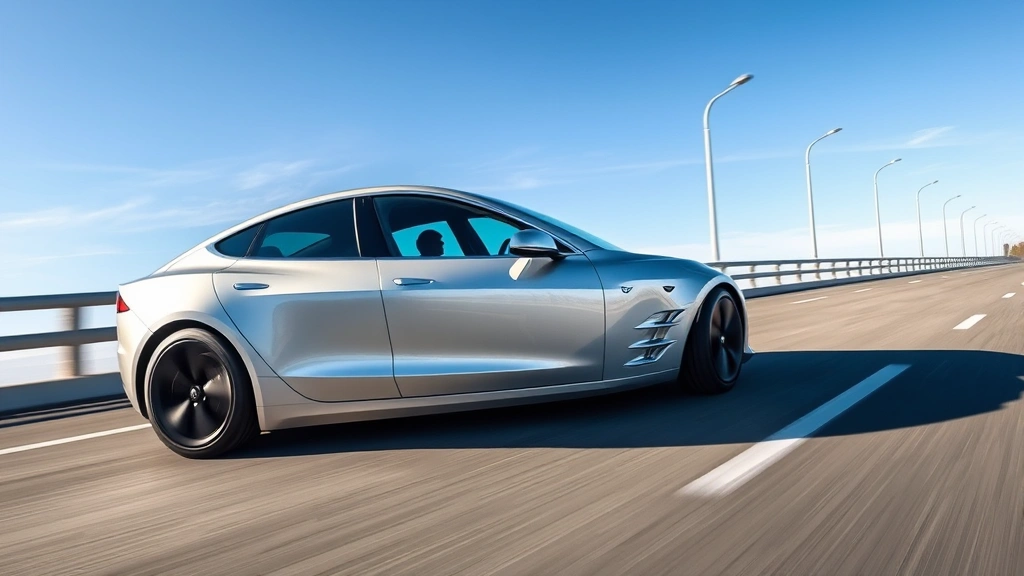
The Tesla Model Y continues its reign as the world’s best-selling electric vehicle, and for compelling reasons. With its combination of exceptional acceleration, impressive range up to 330 miles on the Long Range variant, and Tesla’s proprietary Supercharger network, the Model Y remains the vehicle against which all competitors measure themselves. The 2024 refresh introduces refined aesthetics, improved interior materials, and enhanced battery efficiency that extends real-world range by approximately 5-7%.
Performance specifications remain staggering across the lineup. The Model Y Performance variant accelerates from 0-60 mph in 3.5 seconds, while maintaining a composed driving experience through sophisticated all-wheel-drive torque vectoring. The standard Model Y RWD delivers 272 horsepower and 391 pound-feet of torque, providing adequate punch for daily driving while maximizing efficiency. Pricing starts at approximately $43,990 for the rear-wheel-drive base model, positioning it competitively against traditional gas-powered crossovers.
Tesla’s Supercharger network expansion proves invaluable for long-distance travel. With over 50,000 Superchargers globally and the recent opening of Tesla’s network to other manufacturers, charging anxiety becomes increasingly irrelevant. A 20-minute Supercharger session typically restores 200+ miles of range, enabling cross-country trips without excessive downtime.
The Model Y’s interior emphasizes minimalism, with a central 15-inch touchscreen controlling nearly all functions. Wireless smartphone integration, over-the-air software updates, and Tesla’s Full Self-Driving capability (available as a $12,000 upgrade) provide cutting-edge technology. However, the elimination of traditional controls and reliance on touchscreen menus may frustrate some drivers accustomed to conventional interfaces.
Learn more about the advantages of electric vehicles to understand how the Model Y fits into your transportation needs.
Chevrolet Blazer EV: American Muscle Reimagined
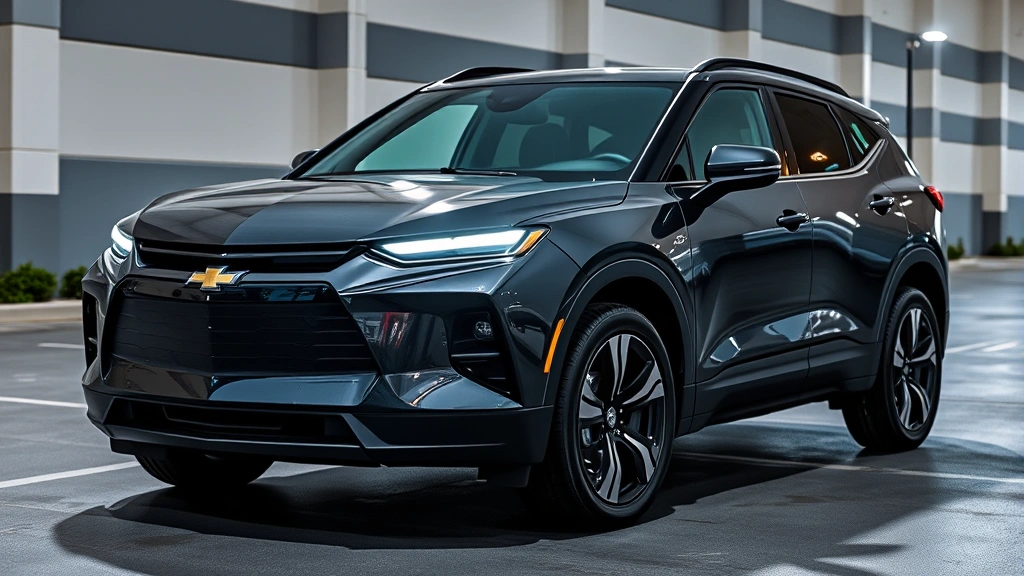
General Motors’ Chevrolet division entered the premium electric crossover segment with the Blazer EV, delivering genuine American performance credentials in electric form. This mid-size crossover targets Tesla Model Y customers seeking alternative styling and Chevrolet’s dealer network support. The Blazer EV’s aggressive design language, with pronounced shoulders and a stance that evokes traditional Chevrolet performance, resonates with enthusiasts seeking emotional connection rather than mere transportation.
The dual-motor all-wheel-drive configuration produces 288 horsepower and 383 pound-feet of torque, enabling 0-60 mph acceleration in 5.8 seconds. While not matching the Model Y’s raw performance, the Blazer EV’s handling dynamics prove engaging through corners, with well-tuned suspension geometry and responsive steering that elevates the driving experience beyond utilitarian transportation. The 330-mile EPA-estimated range on the long-range battery variant matches Tesla’s offerings while undercutting the Model Y on pricing, starting at $48,800.
Chevrolet’s Ultium battery technology powers the platform, supporting rapid charging at 200-kW DC fast chargers. A 20-minute charging session restores approximately 200 miles of range, aligning with competitor capabilities. The integration with GM’s expanding Ultium Charge 360 network, combined with access to third-party networks, addresses charging infrastructure concerns comprehensively.
Interior materials demonstrate Chevrolet’s commitment to premium positioning, with available Brembo-branded brakes, Goodyear performance tires, and a sophisticated 11-inch infotainment display featuring Apple CarPlay and Android Auto compatibility. The spacious cabin accommodates five passengers comfortably, with 64.2 cubic feet of cargo space when rear seats fold flat.
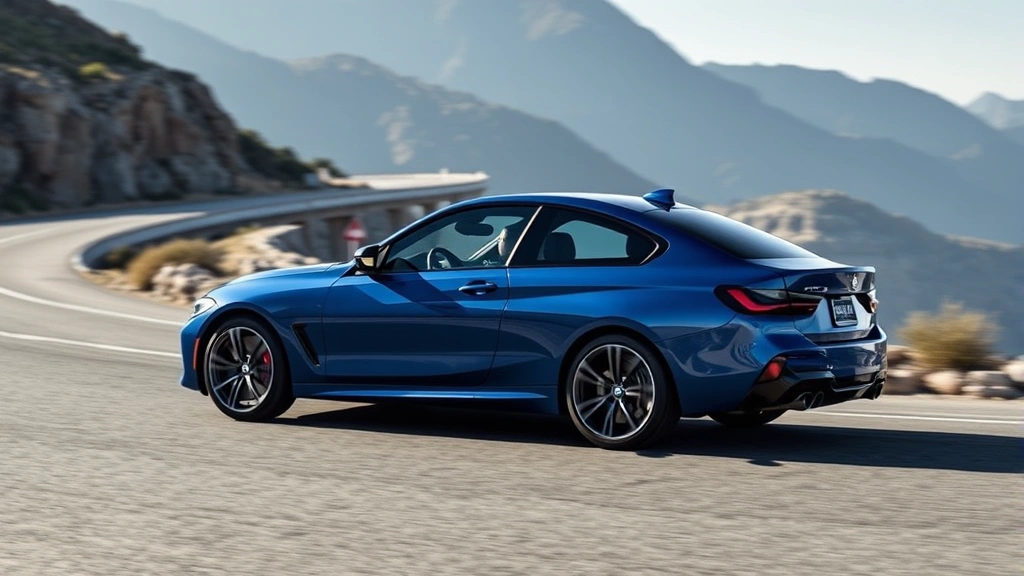
BMW i5: Luxury Meets Efficiency
BMW’s i5 represents the traditional automotive manufacturer’s sophisticated approach to electrification, combining luxury heritage with contemporary EV engineering. This mid-size sedan targets affluent buyers seeking premium appointments, refined driving dynamics, and German engineering excellence. The i5’s sleek proportions, with a low roofline and muscular body surfaces, establish unmistakable BMW identity while projecting efficiency through aerodynamic design.
The dual-motor all-wheel-drive system delivers 335 horsepower and 369 pound-feet of torque, enabling 0-60 mph acceleration in 5.5 seconds. BMW’s adaptive suspension systems, featuring electronically controlled dampers and air springs, provide exceptional ride quality while maintaining composed handling through demanding road conditions. The standard 81-kWh battery delivers 301 miles of EPA-estimated range, while the optional 111-kWh variant extends this to 380 miles, addressing range anxiety comprehensively.
BMW’s iDrive infotainment system, featuring a curved digital display spanning the dashboard, represents industry-leading user experience design. Gesture controls, voice activation, and smartphone integration create intuitive interactions minimizing distraction. The premium audio system, crafted by Bowers & Wilkins, transforms the cabin into a concert hall, with 16 speakers delivering immersive soundscapes.
Starting at $70,400, the i5 positions itself in the premium segment, competing with traditional luxury sedans while delivering zero-emission driving. The comprehensive warranty, including eight-year/120,000-mile battery coverage, provides ownership confidence and residual value protection.
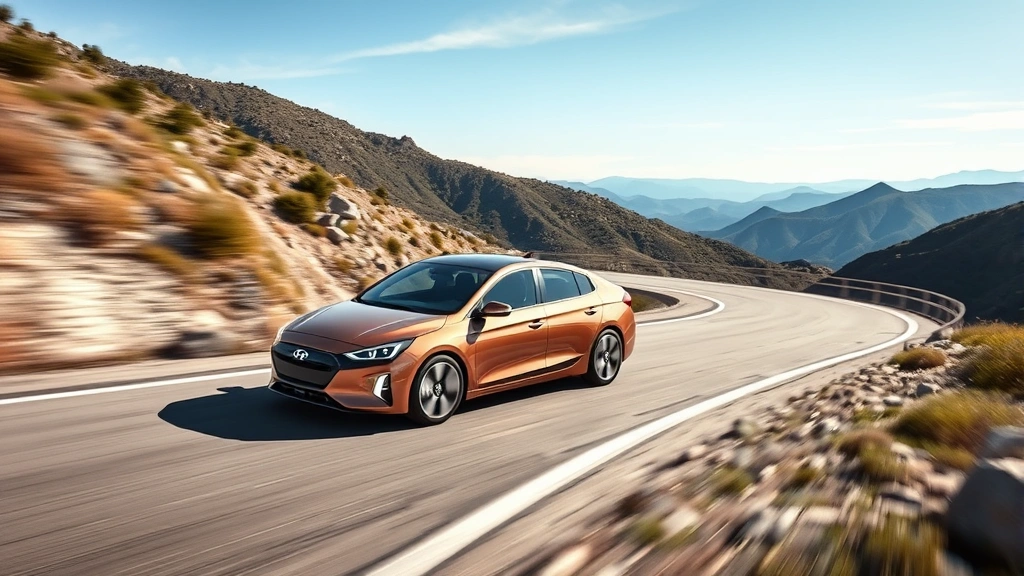
Hyundai Ioniq 6: Aerodynamic Excellence
Hyundai’s Ioniq 6 sedan stands apart through radical aerodynamic efficiency, achieving a drag coefficient of 0.168 Cd—among the lowest of any production vehicle. This obsessive focus on slipperiness translates directly to exceptional range and efficiency metrics that challenge conventional wisdom about electric vehicle practicality. The Ioniq 6’s futuristic design language, inspired by parametric surfaces and flowing geometry, creates a visually distinctive presence while serving functional aerodynamic purposes.
The dual-motor all-wheel-drive variant produces 320 horsepower and 446 pound-feet of torque, enabling 0-60 mph acceleration in 4.7 seconds. However, the standard rear-wheel-drive configuration with 225 horsepower provides superior efficiency, achieving an EPA-estimated 361 miles of range on the long-range battery—among the highest in the segment. Real-world efficiency ratings of 4.5+ miles per kilowatt-hour demonstrate the effectiveness of Hyundai’s aerodynamic optimization.
Hyundai’s E-GMP platform supports 350-kW ultra-rapid charging at compatible stations, restoring 80% battery capacity in approximately 18 minutes. The vehicle’s 800-volt electrical architecture enables charging speeds that rival traditional gas-station refueling, fundamentally transforming the EV ownership experience for long-distance travelers.
Interior design emphasizes minimalism and digital sophistication, with a 12.3-inch infotainment display featuring over-the-air updates and advanced driver assistance systems. The spacious cabin accommodates five passengers comfortably, while the sedan’s low center of gravity enhances handling dynamics and provides engaging driving characteristics. Pricing starts at $42,450, positioning the Ioniq 6 as an exceptional value proposition in the premium EV segment.
Ford Mustang Mach-E: Performance and Practicality
Ford’s Mustang Mach-E represents the Blue Oval’s commitment to electrification while leveraging the storied Mustang heritage. This mid-size crossover blends practical versatility with genuine performance credentials, appealing to drivers seeking emotional connection alongside functional transportation. The Mach-E’s design language, featuring a distinctive grille-less front end and muscular proportions, establishes clear lineage to the Mustang nameplate while embracing electric vehicle design principles.
The dual-motor all-wheel-drive configuration produces 480 horsepower and 634 pound-feet of torque in GT Performance trim, enabling 0-60 mph acceleration in 3.5 seconds—matching supercar acceleration benchmarks. The standard rear-wheel-drive variant delivers 346 horsepower and 428 pound-feet of torque, providing spirited acceleration while maximizing efficiency. Ford’s MagneRide adaptive suspension system, borrowed from high-performance Mustang variants, delivers composed handling through demanding road conditions.
Range extends to 312 miles on the long-range rear-wheel-drive configuration, with the GT Performance variant offering 312 miles despite its additional performance capabilities through advanced battery management and aerodynamic optimization. Ford’s BlueOval Charge Network integration, combining Ford’s proprietary chargers with third-party network access, enables convenient charging across North America.
The spacious interior accommodates five passengers comfortably, with 34.4 cubic feet of cargo space plus front trunk storage providing practical versatility. The available 15.5-inch touchscreen infotainment system features wireless phone integration, navigation, and vehicle controls. Premium audio options from B&O and Bang & Olufsen elevate the in-cabin experience. Pricing begins at $41,100, establishing the Mach-E as an accessible performance electric vehicle.
Rivian R1T: Adventure-Ready Electric Truck
Rivian’s R1T electric adventure truck redefines pickup expectations, combining genuine off-road capability with zero-emission driving. This premium vehicle targets affluent adventurers seeking environmental consciousness without sacrificing capability. The R1T’s distinctive design, featuring a unique front end with integrated headlights and a sculpted body, establishes clear differentiation from traditional pickup trucks while maintaining functional truck proportions.
The quad-motor all-wheel-drive system produces 533 horsepower and 850 pound-feet of torque in the Quad Motor variant, enabling 0-60 mph acceleration in 4.5 seconds despite the vehicle’s substantial 4,700-pound curb weight. Individual motor control enables sophisticated off-road traction management, with dedicated low-range gearing and terrain response systems optimizing performance across challenging landscapes. The 348-mile EPA-estimated range on the Long Range battery variant addresses range anxiety comprehensively.
Rivian’s innovative Gear Tunnel—a 11.6-cubic-foot storage compartment beneath the truck bed—provides secure storage for adventure equipment, tools, and valuables without consuming traditional bed space. This thoughtful engineering detail demonstrates Rivian’s focus on practical functionality alongside performance specifications.
The interior emphasizes premium materials and cutting-edge technology, with a 15.3-inch infotainment display featuring over-the-air updates and advanced driver assistance systems. Panoramic glass roof, heated leather seating, and a premium audio system create a luxurious environment. Starting at $73,000, the R1T positions itself in the premium truck segment, competing with high-end traditional pickup trucks while delivering electric performance benefits.
Understand the importance of car maintenance tips for beginners as electric vehicles require different service considerations than conventional vehicles.
Charging Infrastructure and Ownership Costs
The EV charging landscape has transformed dramatically, with public charging networks expanding exponentially across North America. The comprehensive EPA fuel economy database provides real-world efficiency data for all 2024 electric vehicles, enabling accurate cost-benefit analysis. Home charging infrastructure remains the foundation of EV ownership convenience, with Level 2 chargers (240-volt circuits) restoring 25-30 miles of range per charging hour—adequate for typical daily commutes overnight.
Operating costs for electric vehicles demonstrate substantial savings compared to conventional gas-powered vehicles. Electricity rates averaging $0.14 per kilowatt-hour translate to approximately $0.04 per mile of driving, compared to $0.10-0.15 per mile for gasoline-powered vehicles at current fuel prices. Annual maintenance expenses decline dramatically, with electric motors requiring no oil changes, spark plugs, or transmission fluid servicing. Brake wear decreases substantially through regenerative braking systems that capture deceleration energy, extending brake pad life to 200,000+ miles.
Federal tax credits up to $7,500 remain available for qualifying electric vehicles, significantly reducing effective purchase prices. State-level incentives, including Colorado’s $5,000 credit and California’s HOV lane access, provide additional ownership advantages. Long-term ownership costs, accounting for fuel savings, maintenance reductions, and incentives, establish electric vehicles as economically superior to comparable gasoline vehicles over typical five to seven-year ownership periods.
Battery longevity concerns have largely dissipated, with modern EV batteries retaining 80-90% capacity after 200,000 miles of driving. Manufacturer warranties extending 8-10 years provide comprehensive protection, while industry data demonstrates exceptional real-world reliability. The Insurance Institute for Highway Safety reports electric vehicles exhibit crash safety ratings equivalent to or exceeding traditional vehicles, with low centers of gravity enhancing stability and rollover resistance.
Explore understanding car insurance coverage options to determine appropriate protection for your electric vehicle investment.
Long-distance travel planning requires modest adjustments, with route optimization software identifying optimal charging locations and accounting for weather and elevation changes affecting range. Most electric vehicle owners report that 95% of driving occurs within daily range capabilities, with long-distance trips representing occasional events. The expanding Supercharger network, combined with third-party networks like Electrify America and EVgo, provides confidence for cross-country adventures.
The U.S. Department of Energy fuel economy database offers comprehensive specifications for all 2024 electric vehicles, enabling detailed comparison of efficiency metrics, real-world range, and charging characteristics. MotorTrend’s comprehensive EV testing provides independent performance validation and long-term ownership insights. Car and Driver’s expert analysis delivers detailed reviews comparing 2024 electric vehicles across performance, efficiency, and practicality dimensions.
FAQ
What is the most reliable electric vehicle in 2024?
Tesla models consistently demonstrate exceptional reliability ratings, with the Model Y achieving top marks across independent testing. However, Hyundai and Kia vehicles exhibit increasingly competitive reliability metrics, with comprehensive warranties providing ownership confidence across all premium EV manufacturers. Individual vehicle quality depends on manufacturing location and assembly quality rather than brand alone.
How long does EV battery degradation occur?
Modern EV batteries typically retain 85-90% capacity after 150,000-200,000 miles of driving. Degradation occurs gradually throughout the vehicle’s lifespan rather than sudden failure. Battery management systems optimize charging rates and thermal conditions to minimize degradation, with most owners experiencing negligible range loss during typical ownership periods. Manufacturer warranties covering 8-10 years provide comprehensive protection against premature battery failure.
Can electric vehicles handle winter driving?
Electric vehicles operate effectively in winter conditions, though cold temperatures reduce range by 20-40% compared to ideal conditions. Preconditioning features warm the battery and cabin using grid power while plugged in, mitigating cold-weather efficiency losses. All-wheel-drive variants provide winter traction equivalent to gasoline-powered vehicles, while regenerative braking systems function reliably on snow and ice.
What charging options exist for apartment dwellers?
Public charging networks provide solutions for apartment residents lacking dedicated charging access. Workplace charging, combined with public Level 2 chargers at shopping centers and parking facilities, enables adequate charging for daily driving. DC fast chargers located throughout urban areas address longer trips. Some apartment complexes increasingly install Level 2 chargers in parking areas, recognizing tenant demand for EV charging infrastructure.
How do electric vehicle performance claims compare to real-world acceleration?
EPA-estimated acceleration times represent conservative benchmarks achievable under controlled conditions. Real-world acceleration varies based on temperature, battery state of charge, and road surface conditions. However, most electric vehicles achieve or exceed manufacturer specifications under typical driving conditions, with instant torque delivery providing responsive acceleration compared to traditional gasoline engines requiring RPM buildup.
What maintenance do electric vehicles require?
Electric vehicles require significantly less maintenance than gasoline-powered vehicles. Regular tire rotations, fluid checks (brake fluid, coolant), and software updates constitute primary maintenance. Brake fluid replacement intervals extend to 3-4 years due to regenerative braking reducing brake pad wear. Battery thermal management systems require monitoring, though modern vehicles handle this automatically. The brake pad replacement process differs slightly on electric vehicles due to regenerative braking systems.
Are electric vehicles safe in accidents?
Electric vehicles demonstrate excellent safety characteristics, with low centers of gravity reducing rollover risk and distributed battery packs absorbing crash energy effectively. Modern EVs achieve top safety ratings from NHTSA and IIHS, with multiple airbags, advanced driver assistance systems, and rigid structural designs protecting occupants. Battery encapsulation prevents electrolyte leakage during collisions, while automatic disconnects isolate high-voltage systems in emergency situations.
The Drive Pulse Daily Blog provides ongoing coverage of electric vehicle developments, charging infrastructure expansion, and ownership insights supporting your EV journey.