Top SUVs of 2024: Carly Gregg’s Expert Picks
The SUV market in 2024 continues to dominate the automotive landscape, offering buyers an unprecedented range of options across every segment and price point. From compact crossovers to three-row family haulers, this year’s lineup showcases remarkable engineering, innovative technology, and refined comfort features. As a dedicated automotive journalist, I’ve spent considerable time evaluating the standout performers that deserve your attention, considering reliability, performance, value, and real-world usability.
Whether you’re searching for a daily commuter, weekend adventure vehicle, or family transportation solution, 2024’s SUV offerings deliver compelling reasons to make the switch. This guide explores the vehicles that have impressed me most this year, backed by thorough testing and comparison against competitive alternatives. Let’s dive into what makes these SUVs worthy of consideration.
Luxury Performance SUVs
The luxury SUV segment has evolved dramatically, blending high-performance capabilities with sophisticated interiors and cutting-edge technology. These vehicles represent the pinnacle of automotive engineering, offering drivers an intoxicating blend of speed, comfort, and prestige.
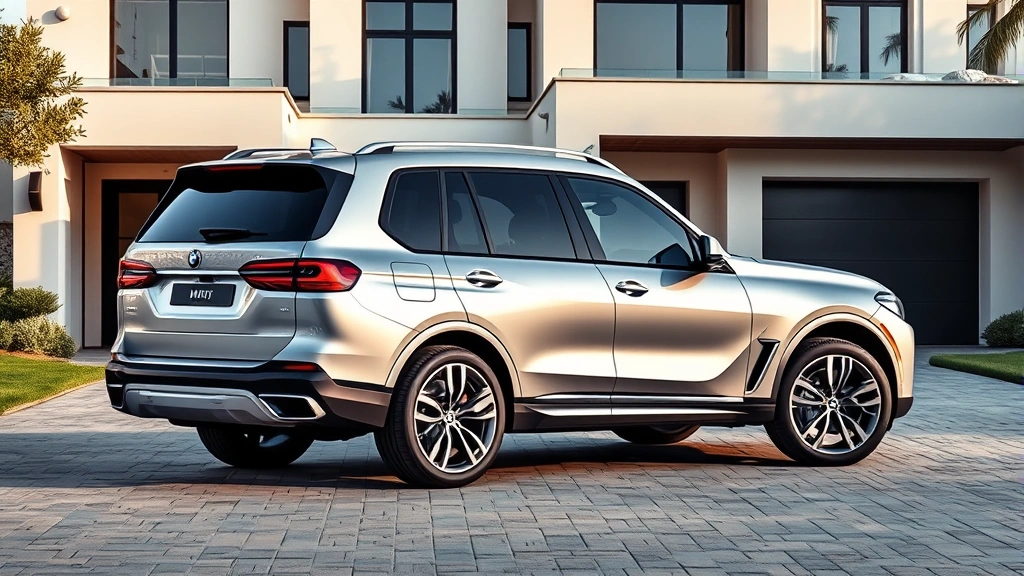
The BMW X7 continues to set the benchmark for three-row luxury SUVs in 2024. Its twin-turbocharged inline-six and optional twin-turbo V8 engines deliver impressive acceleration while maintaining surprising efficiency for its size. The interior showcases BMW’s latest iDrive 8 infotainment system, featuring a curved display that seamlessly integrates digital and physical controls. Leather appointments, panoramic sunroof, and gesture controls create an environment that justifies premium pricing. Cargo flexibility with three powered seat rows addresses family needs without sacrificing luxury.
Mercedes-AMG GLE 63 S stands as a formidable competitor, combining AMG performance heritage with SUV practicality. The 603-horsepower twin-turbo V8 launches this two-ton vehicle to 60 mph in approximately 3.8 seconds—remarkable for any SUV. The AIRMATIC suspension adapts in real-time to road conditions, while the AMG Dynamic Plus Package unlocks additional performance features. Interior materials exceed expectations, with nappa leather, ambient lighting, and a 12.3-inch digital cockpit creating an immersive driving experience. Visit Carly Gregg’s author archive for comprehensive reviews of luxury vehicles.
The Porsche Cayenne Turbo E-Hybrid bridges performance and sustainability, producing 670 horsepower through combined gas and electric power. This plug-in hybrid system enables approximately 30 miles of all-electric range, perfect for urban commuting. The Porsche Active Suspension Management system keeps body roll minimal even during aggressive cornering. Adaptive air suspension adjusts ride height automatically, improving aerodynamics at highway speeds while maintaining ground clearance when needed.
Midsize Family SUVs
Midsize SUVs represent the sweet spot for many buyers—offering three-row capability, reasonable fuel economy, and accessible pricing. These vehicles balance performance with practicality, making them ideal for growing families and active lifestyles.
The Honda CR-V has earned its reputation as the segment’s most reliable option, and 2024 brings meaningful updates including a new hybrid powertrain option. The standard 1.5L turbocharged engine produces 190 horsepower, while the new hybrid system delivers better fuel economy without sacrificing performance. The spacious interior accommodates five passengers comfortably, with 76.5 cubic feet of cargo space behind the rear seats. Honda’s user-friendly infotainment system features wireless Apple CarPlay and Android Auto, complemented by a comprehensive suite of safety technologies. Learn more about maintaining your SUV properly to ensure longevity.
Toyota’s 4Runner represents a different philosophy—body-on-frame construction prioritizes off-road capability over efficiency. The 2024 redesign introduces a new turbo engine, hybrid option, and modern interior design while preserving the legendary reliability Toyota owners expect. Standard all-wheel drive and available Multi-Mode Dynamic Torque Vectoring deliver impressive traction on challenging terrain. The interior now features a 12.3-inch touchscreen with wireless connectivity, though the traditional button layout remains for those who prefer tactile controls.
Mazda CX-5 appeals to drivers valuing driving dynamics and design excellence. The optional turbocharged engine generates 250 horsepower, delivering spirited acceleration while maintaining reasonable fuel economy. Mazda’s i-Activsense safety suite includes adaptive cruise control, lane-keeping assist, and blind-spot monitoring. The interior design prioritizes human-machine interface, with intuitive controls and premium materials that belie the reasonable pricing.
The Kia Sorento offers remarkable value in the three-row segment, combining attractive styling, comprehensive warranties, and feature-rich interiors. The turbo engine option provides 280 horsepower for confident highway merging and passing. Kia’s UVO infotainment system integrates seamlessly with smartphones, while the optional OLED touchscreen displays vibrant graphics. The 10-year powertrain warranty provides peace of mind that extends beyond many competitors.

Compact & Efficient Crossovers
Compact crossovers dominate sales charts for good reason—they offer car-like handling, impressive fuel economy, and affordable entry points into the SUV market. These vehicles prove that smaller doesn’t mean compromising on capability or comfort.
The Subaru Crosstrek combines all-wheel drive standard equipment with efficient engines that prioritize reliability. The 2024 model introduces a new hybrid option, achieving exceptional EPA fuel economy ratings. Subaru’s symmetrical all-wheel drive system excels in adverse weather conditions, providing traction that rivals vehicles with much larger engines. The interior emphasizes simplicity and durability, with high-quality materials that age gracefully. Standard EyeSight Driver Assist Technology includes adaptive cruise control and pre-collision warning.
Toyota’s RAV4 remains America’s best-selling SUV, and the 2024 lineup justifies that dominance. The hybrid variant achieves over 40 mpg combined, making it exceptionally economical for daily commuting. Dynamic torque vectoring improves cornering stability, while the available all-wheel drive system adapts power distribution to maximize traction. The interior design emphasizes clarity, with an intuitive layout that requires minimal learning curve. Toyota’s legendary reliability means lower maintenance costs over ownership duration.
Hyundai Kona offers surprising versatility in a compact package, with available turbo and hybrid engines. The 10.25-inch touchscreen rivals larger competitors, while wireless charging and ambient lighting create a premium atmosphere. The compact dimensions make parking effortless in urban environments, yet interior space accommodates five passengers comfortably. Hyundai’s aggressive warranty coverage and roadside assistance programs provide additional value.
Three-Row Family Haulers
Families requiring genuine three-row seating benefit from vehicles engineered specifically for this mission. These SUVs prioritize space, safety features, and child-friendly accommodations that make multi-passenger transportation practical.
The Chevrolet Traverse delivers impressive cargo capacity—up to 130 cubic feet with all seats folded—while maintaining highway-appropriate dimensions. The available 3.6L V6 produces 310 horsepower, providing adequate power for loaded family adventures. The redesigned interior features a 10.2-inch touchscreen, wireless charging, and a panoramic sunroof that creates an airy cabin atmosphere. Super Cruise semi-autonomous driving capability handles highway driving, reducing driver fatigue during long family road trips.
Volkswagen Atlas combines European engineering with three-row American practicality. The turbocharged V6 engine balances performance with efficiency, while the optional all-wheel drive system ensures capability in varied conditions. The spacious middle and rear rows accommodate child safety seats with surprising ease, thanks to thoughtful seat design and numerous LATCH attachment points. The panoramic sunroof spans nearly the entire roof, flooding the cabin with natural light.
Kia Telluride has rapidly gained market share by offering premium features at competitive pricing. The 3.8L V6 engine produces 291 horsepower, delivering smooth acceleration for merging and passing. Three-zone climate control ensures rear-row passengers enjoy comfort independent of front occupants. The available panoramic sunroof and ambient lighting create an upscale atmosphere, while the intuitive infotainment system integrates smartphone functionality seamlessly. Extended warranty coverage provides additional peace of mind for families planning long-term ownership.
The Mazda CX-90 PHEV (Plug-Hybrid Electric Vehicle) offers three-row seating with electrified efficiency. The turbocharged engine combined with electric motors produces 323 horsepower while achieving excellent fuel economy. The approximately 44-mile all-electric range handles most daily commutes without engine engagement, reducing fuel consumption and emissions. The premium interior design emphasizes quality materials and thoughtful ergonomics, creating an environment that rivals luxury brands while maintaining accessible pricing.

Electric SUV Leaders
The electric SUV segment has matured remarkably, offering impressive range, fast charging, and performance that rivals traditional powertrains. These vehicles represent the automotive future while delivering immediate benefits through lower operating costs and reduced emissions.
Tesla’s Model X remains the electric SUV benchmark, with the Plaid variant delivering supercar-embarrassing acceleration—0-60 mph in 2.5 seconds. The dual-motor all-wheel drive system provides exceptional traction control, while the innovative falcon-wing doors create a unique ownership experience. The 14-inch touchscreen controls virtually all vehicle functions, though minimalist interior design may not appeal to traditional luxury buyers. EPA-estimated range exceeds 300 miles, with Supercharger network access providing convenient long-distance travel capability.
Hyundai Ioniq 5 combines futuristic design with practical functionality, offering fast charging that reaches 80% battery capacity in under 20 minutes. The 300-mile EPA range handles most daily driving needs, while the spacious interior accommodates five passengers with genuine comfort. The innovative sliding center console and modular interior design provide flexibility for various cargo configurations. Dual-motor all-wheel drive option delivers spirited acceleration while maintaining efficiency.
Ford Mustang Mach-E bridges performance and sustainability, available in multiple battery configurations and drivetrain options. The GT Performance variant achieves 0-60 mph in under 3.5 seconds, proving electric vehicles can deliver legitimate performance thrills. The 312-mile range on larger batteries addresses range anxiety, while the spacious liftgate provides cargo flexibility. Ford’s BlueOval Charge Network integration simplifies charging logistics for long-distance travel. Consult the EPA fuel economy database for comprehensive efficiency comparisons.
BMW iX represents the pinnacle of electric luxury, combining cutting-edge technology with sustainable materials. The dual-motor all-wheel drive system delivers 516 horsepower, while the 300-mile range addresses distance concerns. The innovative interior design minimizes physical buttons, emphasizing touch controls and gesture recognition. Premium leather alternatives and recycled materials demonstrate BMW’s commitment to sustainability without compromising luxury expectations.
Value Champions
Not every buyer requires premium features or luxury appointments—these vehicles deliver genuine capability, reliability, and practicality at accessible price points. These value champions prove that excellent SUVs don’t require six-figure price tags.
Jeep Cherokee combines authentic off-road heritage with daily driver practicality, available with gasoline and plug-hybrid powertrains. The available Trailhawk variant includes skid plates, all-terrain tires, and locking differentials that enable genuine trail capability. The interior design has modernized significantly, with an available 10.1-inch touchscreen and wireless connectivity. Jeep’s legendary resale value means lower long-term ownership costs compared to competitors.
Nissan Rogue delivers surprising efficiency with the available hybrid powertrain, achieving over 40 mpg combined EPA ratings. The ProPilot Assist semi-autonomous driving capability reduces driver fatigue during highway commutes. The spacious interior accommodates five passengers comfortably, while the user-friendly infotainment system integrates smartphone functionality without excessive complexity. Nissan’s competitive pricing and available financing incentives make entry into SUV ownership accessible.
Chevrolet Equinox represents exceptional value in the compact crossover segment, offering turbocharged efficiency with modern amenities. The 1.5L turbo engine produces 170 horsepower while maintaining impressive fuel economy. The available Super Cruise semi-autonomous technology previously reserved for luxury brands now reaches mainstream buyers. The warranty coverage and OnStar emergency services provide additional value and peace of mind. Explore understanding the car insurance claim process to ensure proper coverage for your new SUV.
Hyundai Santa Fe offers three-row seating at compact crossover pricing, delivering remarkable value. The available turbo engine provides adequate performance without excessive fuel consumption. The comprehensive warranty coverage and roadside assistance program demonstrate Hyundai’s confidence in reliability. The modern interior design and available premium features rival vehicles costing thousands more, making this an exceptional value proposition for families.
The Subaru Solterra represents value in the electric segment, offering all-wheel drive standard equipment and impressive range at accessible pricing. The 228-mile EPA range handles most daily needs, while the symmetrical all-wheel drive system excels in adverse weather. The standard comprehensive warranty and roadside assistance coverage provide peace of mind throughout ownership.
FAQ
What SUV offers the best fuel economy in 2024?
The Toyota RAV4 Hybrid achieves approximately 40-41 mpg combined EPA ratings, making it among the most efficient traditional SUVs. For even greater efficiency, electric options like the Tesla Model X and Hyundai Ioniq 5 eliminate fuel consumption entirely, though electricity costs vary regionally. Plug-hybrid options like the Porsche Cayenne Turbo E-Hybrid and Mazda CX-90 PHEV provide flexibility through electric-only commuting capability.
Which SUVs offer the best safety ratings?
The IIHS Top Safety Pick awards recognize vehicles demonstrating exceptional crash protection and accident avoidance capability. Visit the IIHS website for comprehensive safety ratings across all segments. The Subaru Crosstrek, Honda CR-V, and Toyota RAV4 consistently achieve top marks through robust construction and advanced driver assistance technologies.
What’s the difference between all-wheel drive and four-wheel drive?
All-wheel drive continuously distributes power to all four wheels, automatically engaging based on traction conditions. Four-wheel drive typically requires manual engagement, primarily benefiting off-road situations. Most modern SUVs offer all-wheel drive for improved everyday traction, while serious off-road vehicles like the 4Runner and Jeep Wrangler provide four-wheel drive options. Consider your typical driving environment when choosing between systems.
Are electric SUVs practical for long-distance travel?
Modern electric SUVs with 300+ mile ranges handle long-distance travel effectively, particularly with expanding charging networks. Tesla’s Supercharger network and third-party charging infrastructure like Electrify America provide convenient fast-charging options. Plan charging stops similar to traditional fuel stops, allowing 20-30 minutes for rapid charging. For families anticipating frequent multi-day road trips, plug-hybrid options provide flexibility through gas engine backup capability.
How often should I service my new SUV?
Most 2024 SUVs require service every 10,000 miles for oil changes, though synthetic oils extend intervals to 15,000 miles. Brake fluid, coolant, and transmission fluid require periodic inspection and replacement according to manufacturer specifications. Consult your owner’s manual for detailed service intervals, or explore our comprehensive guide on changing your vehicle’s engine oil to understand maintenance fundamentals.
Which SUV offers the best warranty coverage?
Hyundai and Kia lead the industry with 10-year/100,000-mile powertrain warranties, significantly exceeding the industry standard 3-year/36,000-mile coverage. BMW, Porsche, and other premium brands typically offer 4-year/50,000-mile comprehensive warranties. Extended warranty options available through most manufacturers provide additional protection beyond factory coverage. Consider warranty terms when comparing total cost of ownership.
Can I tow a trailer with my SUV?
Towing capacity varies dramatically across SUV segments. Compact crossovers typically handle 1,000-3,500 pounds, while midsize SUVs manage 3,000-6,000 pounds. Full-size SUVs like the Chevrolet Traverse and Kia Telluride handle 5,000-6,000 pounds. Check your vehicle’s specific rating before towing, as exceeding capacity can damage drivetrain components. Proper hitch installation and weight distribution equipment are essential for safe trailer towing. Learn about brake maintenance before towing, as additional weight stresses brake systems.
What technology features matter most in 2024 SUVs?
Wireless smartphone integration through Apple CarPlay and Android Auto ranks as the most valued feature, enabling navigation, music, and communication without cable connections. Adaptive cruise control and lane-keeping assist provide genuine safety benefits, reducing driver fatigue during highway driving. Panoramic sunroofs, ambient lighting, and premium audio systems enhance the driving experience. Navigation systems with real-time traffic integration improve journey planning, while voice control reduces distraction.
Should I lease or purchase an SUV?
Leasing makes sense for drivers prioritizing the latest technology and warranty coverage without maintenance concerns. Purchasing benefits those planning long-term ownership, as vehicles retain value beyond typical lease terms. Consider your annual mileage—leases typically limit mileage to 12,000-15,000 annually, with excess mileage charges. Families planning multi-year ownership typically achieve lower costs through purchasing, while those prioritizing variety may prefer leasing’s flexibility.
How do I choose between hybrid, plug-hybrid, and electric powertrains?
Hybrid SUVs suit drivers seeking improved fuel economy without range anxiety, automatically switching between gas and electric power. Plug-hybrid electric vehicles benefit daily commuters under 50 miles, enabling electric-only driving while maintaining gas engine backup for longer distances. Fully electric SUVs require charging infrastructure access and suit drivers with moderate daily mileage (under 200 miles). Analyze your typical driving patterns and charging access before selecting powertrains.
The 2024 SUV market offers remarkable diversity, ensuring virtually every buyer finds a vehicle matching their needs, preferences, and budget. Whether prioritizing performance, efficiency, luxury, or value, this year’s lineup demonstrates the automotive industry’s commitment to innovation and customer satisfaction. Visit the Drive Pulse Daily Blog for additional automotive insights, and check MotorTrend’s comprehensive reviews for additional expert perspectives on 2024 SUV models.