Top Car Trends 2024: Insights by Carly Gregg
The automotive industry continues to evolve at a breakneck pace, and 2024 has emerged as a pivotal year for innovation, sustainability, and consumer preferences. As a dedicated car enthusiast and industry analyst, I’ve been tracking the most significant shifts reshaping how we drive, maintain, and think about vehicles. From electrification breakthroughs to advanced safety technologies, this year’s trends reflect both manufacturer ambitions and what drivers actually want on the road.
Whether you’re considering a new purchase, planning vehicle upgrades, or simply curious about where the automotive world is headed, understanding these trends will help you make informed decisions about your next car. This comprehensive guide breaks down the major automotive trends defining 2024, covering everything from powertrain innovations to connectivity features that are becoming standard across segments.
Electric Vehicle Adoption Reaches Critical Mass
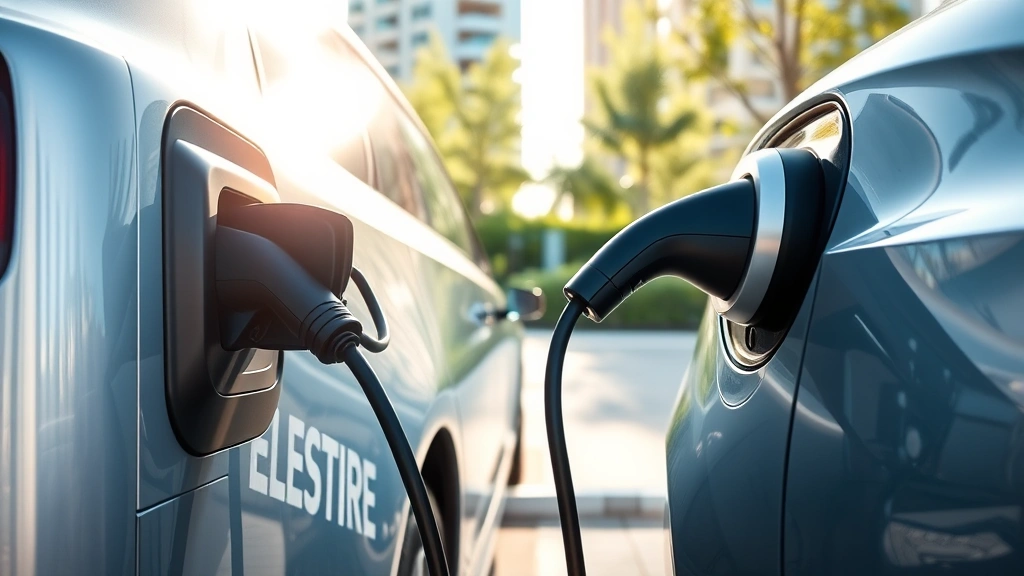
2024 marks a watershed moment for electric vehicles, with EV sales continuing their upward trajectory despite economic headwinds. The shift isn’t just about environmentally conscious buyers anymore—it’s becoming mainstream. Major manufacturers are reporting that EV inquiries now represent a significant portion of their sales pipeline, and charging infrastructure expansion is finally keeping pace with vehicle availability.
The EPA fuel economy database shows that battery costs have dropped substantially, making electric vehicles more price-competitive with traditional combustion engines. Range anxiety, once the primary barrier to adoption, has largely been addressed with most 2024 models offering 250+ miles of EPA-estimated range. The advantages of electric vehicles extend beyond environmental benefits to include lower operating costs and reduced maintenance requirements.
What’s particularly interesting is the diversity of electric offerings. From affordable compact cars to high-performance luxury sedans and spacious SUVs, manufacturers are covering every segment. Tesla’s dominance is being challenged by established automakers like Ford, Chevrolet, BMW, and Mercedes-Benz, creating genuine competition that benefits consumers through improved features and pricing.
Battery technology improvements are also noteworthy. Solid-state batteries are on the horizon for several manufacturers, promising even greater range and faster charging times. Current lithium-ion technology continues to improve, with newer cells offering better thermal management and longevity than previous generations.
Hybrid Technology Dominates the Market
While electrification gets headlines, hybrid vehicles are quietly becoming the preferred choice for many consumers in 2024. Plug-in hybrids (PHEVs) and traditional hybrids offer a practical middle ground—delivering electric efficiency for daily commutes while maintaining the flexibility of gasoline engines for longer trips. This pragmatic approach appeals to buyers not yet ready to commit fully to pure electric.
The hybrid segment has expanded dramatically, with manufacturers introducing hybrid variants across their lineups. Mid-size trucks, SUVs, and sedans now routinely offer hybrid options that significantly improve fuel economy without requiring major lifestyle adjustments. MotorTrend’s vehicle reviews consistently highlight hybrid efficiency gains, with many models achieving 40+ mpg in combined driving.
Hybrid technology integration has become increasingly sophisticated. Regenerative braking systems are more efficient, electric motors provide seamless power delivery, and transmission technology has matured to eliminate the sluggish feel that early hybrids exhibited. Modern hybrids deliver strong acceleration while maintaining excellent fuel economy.
One significant trend is the rise of full hybrid systems in trucks and larger vehicles, segments previously dominated by traditional V8 engines. This shift demonstrates that consumers value efficiency even when purchasing larger vehicles, challenging the assumption that truck buyers prioritize raw power above all else.
Advanced Driver Assistance Systems Become Standard
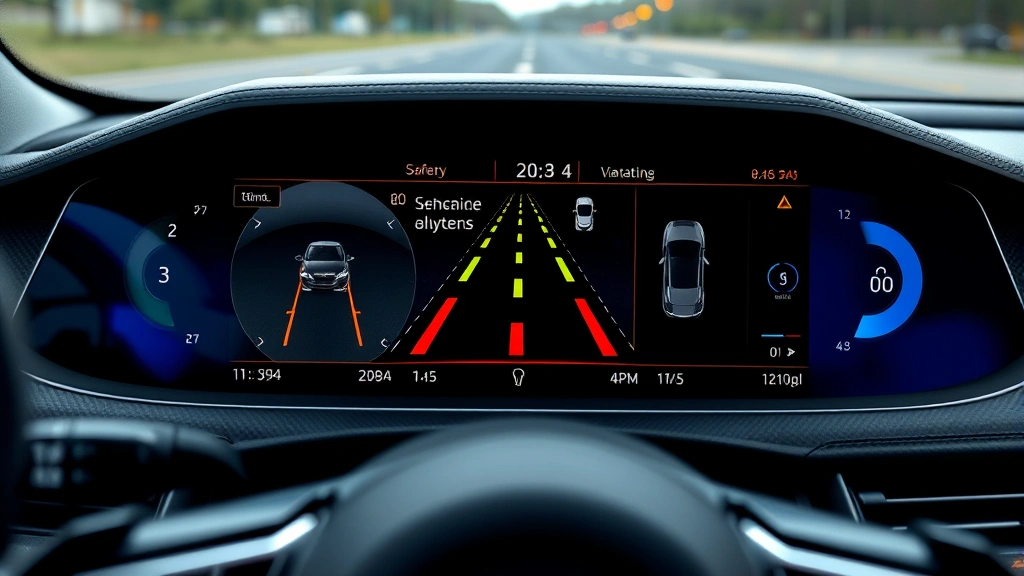
Safety technology has transitioned from premium luxury features to expected standard equipment. 2024 vehicles increasingly come equipped with comprehensive Advanced Driver Assistance Systems (ADAS) that were once exclusive to high-end models. Adaptive cruise control, lane-keeping assist, automatic emergency braking, and blind-spot monitoring are now found on vehicles across price ranges.
The Insurance Institute for Highway Safety (IIHS) continues to emphasize the importance of these systems, and manufacturers are responding by making them standard rather than optional. This democratization of safety technology means even budget-conscious buyers benefit from collision avoidance and driver monitoring capabilities.
Sensor technology has become more affordable and reliable, enabling broader deployment. LiDAR, radar, and camera-based systems work in concert to provide comprehensive environmental awareness around the vehicle. Software improvements have also enhanced these systems’ reliability and reduced false-positive alerts that plagued earlier generations.
The conversation is shifting from “should vehicles have ADAS” to “how advanced can these systems become.” Manufacturers are investing heavily in Level 2 autonomy features, and some are testing Level 3 capabilities in limited markets. These systems are becoming more intuitive and less intrusive, learning driver preferences and adapting their behavior accordingly.
Sustainability Beyond Just EVs
Environmental consciousness in 2024 extends far beyond powertrain choices. Manufacturers are addressing sustainability across the entire vehicle lifecycle, from material sourcing to end-of-life recycling. Recycled plastics, sustainable leather alternatives, and responsibly sourced materials are becoming standard in interior design.
Battery recycling programs are expanding, with manufacturers and third parties developing processes to recover valuable materials from used batteries. This circular economy approach reduces the environmental impact of EV production and addresses concerns about mining for new battery materials. Car and Driver has extensively covered these sustainability initiatives across major manufacturers.
Manufacturing processes themselves are becoming cleaner. Many facilities now operate with renewable energy sources, and water usage in production has been significantly reduced. Manufacturers are also being more transparent about their supply chains, responding to consumer demand for ethical sourcing practices.
Tire technology has evolved to reduce rolling resistance, improving fuel economy across all vehicle types. Lightweight materials like aluminum and carbon fiber composites are being incorporated more extensively, reducing vehicle weight and improving efficiency. These seemingly small improvements aggregate into meaningful environmental benefits.
Connected Car Technology and Software Updates
Modern vehicles are essentially computers on wheels, and 2024 emphasizes the software and connectivity aspects. Over-the-air (OTA) updates are becoming standard, allowing manufacturers to improve vehicle performance, add features, and address security vulnerabilities without requiring dealership visits. This capability fundamentally changes how vehicles evolve after purchase.
Infotainment systems have matured significantly, with most 2024 models featuring intuitive touchscreens, voice recognition, and smartphone integration. Apple CarPlay and Android Auto are nearly universal, providing seamless connectivity to navigation, music, messaging, and other services. Wireless connectivity options mean passengers can stay connected throughout their journeys.
Data security and privacy have become critical focus areas. Manufacturers are implementing robust encryption and security protocols to protect vehicle data and user information. The industry is also establishing standards for data sharing, ensuring consumers understand how their information is being used.
Vehicle-to-infrastructure (V2I) communication is beginning to roll out in select markets, allowing vehicles to receive real-time traffic information, hazard warnings, and other data from roadway infrastructure. This technology promises to improve safety and traffic flow while reducing emissions through more efficient routing.
Affordability and Accessibility Improvements
A major 2024 trend is the push toward more affordable vehicles without sacrificing essential features. Manufacturers have realized that features must be accessible to average consumers, not just luxury buyers. Entry-level models now include technology and safety features that were unthinkable at these price points just five years ago.
Financing options have also evolved, with manufacturers and dealers offering more flexible payment structures. Subscription services for vehicle features are emerging, allowing consumers to pay for capabilities as needed rather than bundling them into expensive packages. This modular approach to vehicle features is democratizing access to technology.
Used vehicle markets have stabilized after years of volatility, making pre-owned vehicles more affordable and reliable. Certified pre-owned programs have become more comprehensive, and warranty coverage extends to broader vehicle components, giving buyers confidence in used purchases.
The focus on affordability doesn’t mean cutting corners on quality. Manufacturers are achieving cost reductions through engineering efficiency and manufacturing improvements, not by reducing durability or performance. This balance between value and quality defines the 2024 vehicle market.
Premium Interior Technology Cascades Down
Features once exclusive to luxury vehicles are rapidly appearing in mainstream models. Panoramic sunroofs, ambient lighting, premium audio systems, and advanced climate control are becoming common in mid-range vehicles. Manufacturers are leveraging their technology across platforms to reduce per-unit costs while elevating the ownership experience.
Interior design has also become more sophisticated across segments. Soft-touch materials, attention to ergonomics, and thoughtful layout design are no longer premium-only considerations. Even budget vehicles now feature carefully crafted interiors with modern aesthetics and functional design.
Digital instrument clusters and customizable driver displays have become standard in most 2024 models. These systems provide relevant information based on driving conditions and driver preferences, improving the user experience compared to static analog gauges. The transition to digital interfaces also enables software updates that can enhance functionality over time.
Ambient interior lighting has become a standard feature, allowing drivers to customize the cabin atmosphere. These systems are more than aesthetic—they contribute to safety by improving visibility and reducing eye strain during nighttime driving. The integration of lighting with vehicle mood and driving conditions demonstrates how even minor features enhance the overall experience.
Autonomous Driving Features Expand
Self-driving technology, once purely speculative, is becoming increasingly practical in 2024. While true autonomous vehicles remain limited to specific geographic areas and conditions, advanced driver assistance features are expanding capabilities significantly. Level 2 autonomy is now common in many mainstream vehicles, handling highway driving in certain conditions with minimal driver intervention.
Manufacturers are being cautious and methodical in deploying autonomy features, prioritizing safety testing and real-world validation. The regulatory environment is also evolving, with governments developing frameworks for autonomous vehicle operation. This measured approach is building consumer confidence in the technology.
The development of autonomous technology is creating new business opportunities beyond traditional vehicle sales. Robotaxi services, autonomous delivery, and fleet automation are emerging as significant revenue streams for major manufacturers and technology companies.
Consumer acceptance of autonomous features is growing as people experience them firsthand. Early adopters report increased confidence in the technology, and safety data continues to support the effectiveness of these systems. As more vehicles on the road feature autonomous capabilities, network effects will likely accelerate adoption.
Understanding these trends positions you well for navigating the 2024 automotive market. Whether you’re shopping for a new vehicle, maintaining your current car, or simply staying informed about industry developments, these trends will shape your driving experience for years to come. Consider reading about car maintenance tips for beginners to keep your vehicle in optimal condition, or explore how to change car engine oil if you prefer hands-on maintenance. For vehicle owners concerned about protection, understanding the car insurance claim process is essential. Don’t forget basic maintenance tasks like learning how to replace windshield wipers, which are critical for safety. For more comprehensive automotive insights, visit the Drive Pulse Daily Blog for regular updates on industry trends and practical vehicle guidance.
FAQ
What is the most significant automotive trend in 2024?
The convergence of electrification, advanced safety systems, and connected technology represents the most significant trend. No single development dominates; rather, the industry is simultaneously advancing across multiple fronts, creating vehicles that are cleaner, safer, and more intelligent than ever before.
Should I buy an electric vehicle or a hybrid in 2024?
The choice depends on your driving patterns and lifestyle. If you have predictable daily commutes and access to charging, an EV makes sense. If you take frequent long trips or lack convenient charging, a hybrid offers practical efficiency without range anxiety. Both technologies have matured significantly and offer excellent value propositions.
Are ADAS features reliable and worth the cost?
Yes, ADAS features are increasingly reliable and are becoming standard rather than premium options. Insurance companies recognize their safety benefits, and many offer discounts for vehicles equipped with these systems. The technology has been thoroughly tested and validated across millions of miles of real-world driving.
How often will my 2024 vehicle receive software updates?
Update frequency varies by manufacturer, but most modern vehicles receive multiple updates annually. These updates address security vulnerabilities, improve performance, and sometimes add new features. Check with your manufacturer for their specific update schedule and policies.
What maintenance will my new vehicle require?
Modern vehicles require less frequent maintenance than older models. EVs eliminate oil changes entirely, while hybrids require them less frequently than traditional vehicles. Regular tire rotations, brake inspections, and fluid checks remain important. For detailed guidance, explore car maintenance tips for beginners to understand your specific vehicle’s needs.
Can I trust used vehicles from 2024 model years?
Absolutely. Modern manufacturing quality is excellent, and certified pre-owned programs provide comprehensive warranties. The market for used 2024 models is developing quickly, offering good value as early adopters move to newer models.