Are Hybrid Cars Worth It? Carly Gregg Weighs In
The automotive landscape has shifted dramatically over the past decade, with hybrid vehicles becoming increasingly mainstream. As a passionate car enthusiast and contributor to the Drive Pulse Daily Blog, I’ve spent considerable time analyzing whether hybrid cars truly deliver on their promises. This comprehensive guide explores the financial, environmental, and practical considerations that determine if a hybrid is the right choice for your lifestyle.
Hybrid technology pairs a traditional gasoline engine with an electric motor, allowing vehicles to optimize fuel efficiency by switching between power sources. The question isn’t whether hybrids work—they demonstrably do—but rather whether the investment makes sense for your specific circumstances. Let’s break down the numbers, performance characteristics, and real-world ownership experience.
Understanding Hybrid Technology and How It Works
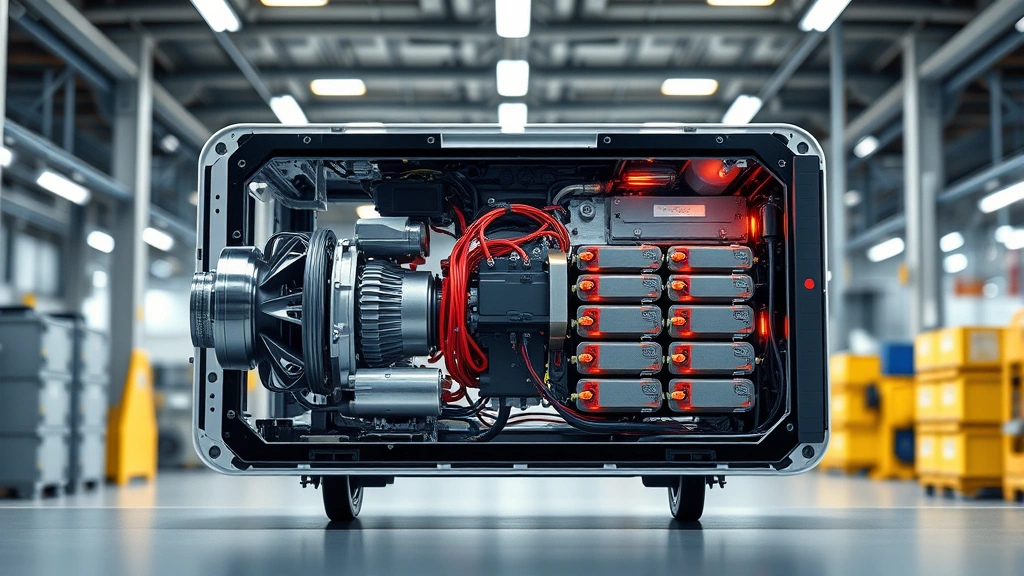
Before determining whether a hybrid is worth your investment, understanding the technology is essential. Modern hybrid systems employ sophisticated engineering that seamlessly integrates gasoline and electric powertrains. The electric motor assists during acceleration and city driving, while the gasoline engine handles highway cruising and sustained power demands. A regenerative braking system captures kinetic energy that would otherwise dissipate as heat, converting it into electrical energy stored in the battery.
There are several hybrid configurations available today. Parallel hybrids, the most common type, allow both engines to drive the wheels simultaneously or independently. Series hybrids use the gasoline engine exclusively to generate electricity, with the electric motor providing all wheel power. Plug-in hybrids (PHEVs) feature larger batteries that can be charged externally, offering all-electric driving for short distances before the gasoline engine engages.
The efficiency gains come from several factors: the engine operates at optimal RPM ranges for fuel economy, the electric motor eliminates idling, and the system automatically selects the most efficient power source for current driving conditions. This intelligent switching happens thousands of times during your commute, creating cumulative fuel savings that conventional vehicles simply cannot match.
Financial Analysis: Initial Cost vs. Long-Term Savings
The most significant barrier to hybrid ownership is the upfront purchase price. Hybrid vehicles typically cost $5,000 to $15,000 more than their conventional counterparts. A Honda Accord hybrid, for example, commands a premium of approximately $8,000 over the standard gasoline model. This substantial initial investment requires careful financial analysis to determine break-even points.
However, numerous financial incentives offset this premium. Federal tax credits for hybrid vehicles reach $7,500 in many cases, though eligibility depends on income levels and vehicle assembly location. State incentives vary widely—California offers rebates and HOV lane access, while other states provide tax deductions or direct purchase credits. These incentives can eliminate or significantly reduce the price differential.
The fuel savings calculation depends heavily on driving patterns and local fuel prices. A hybrid driver averaging 15,000 miles annually with local fuel prices at $3.50 per gallon might save $1,200 to $1,800 yearly compared to a conventional vehicle achieving 28 MPG versus the hybrid’s 50+ MPG rating. Over five years, this represents $6,000 to $9,000 in fuel savings—approaching or matching the initial premium.
Additionally, understanding car insurance coverage options becomes important, as hybrid vehicles often qualify for insurance discounts due to lower accident rates and lower repair costs in many cases. When calculating total cost of ownership, factor in insurance premiums, registration fees, and available incentives alongside fuel savings and maintenance costs.
Fuel Economy and Environmental Impact
The environmental case for hybrids is compelling. According to the EPA’s fuel economy database, hybrid vehicles consistently achieve 30-50% better fuel efficiency than comparable conventional models. A Toyota Prius, one of the most efficient hybrids available, achieves EPA ratings of 57 city/56 highway/56 combined MPG—extraordinary figures that translate to dramatic reductions in carbon emissions.
From an environmental perspective, hybrids reduce greenhouse gas emissions proportionally to their fuel consumption improvements. The Insurance Institute for Highway Safety acknowledges that hybrids significantly lower tailpipe emissions compared to conventional vehicles. While they don’t eliminate emissions entirely—unlike fully electric vehicles—they represent a meaningful step toward sustainability without the charging infrastructure concerns that plague EV adoption in many regions.
The manufacturing process for hybrid batteries does create environmental costs through resource extraction and energy consumption. However, lifecycle analyses consistently demonstrate that these manufacturing impacts are offset within the first 20,000 to 40,000 miles of operation through superior fuel efficiency. For most owners, the environmental benefits are substantial and undeniable.
Driving a hybrid also reduces dependence on fossil fuels, contributing to energy security and price stability. As fuel prices fluctuate, hybrid owners enjoy greater insulation from market volatility due to their dramatically reduced consumption rates.
Maintenance and Reliability Considerations
One persistent myth about hybrids concerns maintenance complexity and cost. In reality, hybrid vehicles are exceptionally reliable and often require less maintenance than conventional cars. The electric motor eliminates engine idling, reducing wear on internal components. The regenerative braking system means brake pads last significantly longer—often 100,000+ miles compared to 50,000-70,000 miles on conventional vehicles.
Regular car maintenance tips for beginners apply equally to hybrids, though some tasks differ slightly. Oil changes occur at similar intervals, though the reduced engine runtime means oil stays cleaner longer. Tire rotations, air filter replacements, and fluid checks follow standard schedules. The transmission fluid in hybrids requires specialized maintenance, but this represents a minor additional cost.
Hybrid batteries are engineered for longevity, typically lasting the vehicle’s lifespan under normal conditions. Most manufacturers warrant hybrid batteries for 8-10 years or 100,000-150,000 miles. Real-world data from Toyota and Honda hybrids shows battery degradation of less than 5% over 10 years in most cases. Unlike smartphones, hybrid batteries don’t experience rapid capacity loss—they degrade gradually and predictably.
The regenerative braking system does require occasional maintenance, but far less frequently than conventional brake systems. Mechanics trained in hybrid technology are increasingly common, making service accessibility less of a concern than it was a decade ago. Major dealerships and independent shops now routinely service hybrids without specialized equipment beyond what they already possess.
Performance and Driving Experience
Modern hybrids have shed their reputation as slow, underpowered vehicles. Contemporary hybrid models deliver performance comparable to or exceeding their conventional counterparts. The instant torque from electric motors provides surprising acceleration, particularly in city driving where the electric motor dominates power delivery.
The Toyota Highlander Hybrid, for instance, produces 243 horsepower and can tow 3,500 pounds—impressive figures that challenge perceptions of hybrid performance. The Lexus LS Hybrid combines luxury sedan comfort with 354 horsepower and silky-smooth power delivery that conventional engines struggle to match. Even the humble Honda Civic Hybrid demonstrates spirited acceleration and responsive handling.
Driving dynamics in hybrids differ subtly from conventional vehicles. The regenerative braking system creates a slightly different brake feel that drivers quickly adapt to—most report finding it more progressive and controllable than traditional friction brakes. The near-silent electric motor operation at low speeds provides a serene driving experience that many enthusiasts prefer for urban commuting.
Noise reduction represents one of the most appreciated hybrid characteristics. The quiet cabin at idle and low speeds creates a premium feel that justifies the higher purchase price in many owners’ minds. Highway driving is equally refined, with the gasoline engine operating at optimal RPMs for efficiency rather than following driver demand.
Battery Life and Replacement Costs
Battery concerns represent the primary hesitation many potential hybrid buyers express. In reality, hybrid battery replacement has become increasingly rare and affordable. A hybrid battery replacement, when eventually necessary, typically costs $3,000 to $8,000 depending on the vehicle and battery type. This sounds substantial until compared to the $4,000-$6,000 spent on fuel annually by conventional vehicle owners.
Toyota, which has manufactured hybrids for over two decades, reports that fewer than 1% of hybrid batteries fail before 10 years of ownership. Honda’s experience mirrors Toyota’s data. These exceptional reliability figures stem from conservative battery management systems that prevent overcharging and deep discharging—the primary causes of battery degradation.
Battery replacement costs continue declining as manufacturing scales and competition increases. Aftermarket and refurbished batteries offer even more affordable options, typically priced at $1,500 to $3,500. Some owners successfully extend battery life through careful maintenance and driving habits that minimize rapid charging cycles.
If you purchase a hybrid vehicle with an extended warranty covering the battery beyond the manufacturer’s standard coverage, you essentially eliminate battery replacement risk during your ownership period. Many dealers offer battery warranties extending to 10 years or 150,000 miles for reasonable additional costs—often $1,500 to $2,500 for comprehensive coverage.
Best Hybrid Models for Different Budgets
The hybrid market now encompasses vehicles across all segments and price points. Understanding which models deliver the best value requires examining fuel economy, reliability ratings, and available incentives.
Budget-Friendly Options ($25,000-$35,000): The Toyota Prius remains the gold standard, achieving exceptional fuel economy and offering proven reliability spanning decades. The Honda Civic Hybrid provides sporty handling with hybrid efficiency. The Toyota Corolla Hybrid delivers sedan practicality with excellent MPG ratings.
Mid-Range Vehicles ($35,000-$50,000): The Toyota RAV4 Hybrid combines SUV practicality with impressive fuel economy and all-wheel drive capability. The Honda Accord Hybrid offers luxury sedan features with strong performance and efficiency. The Lexus UX Hybrid provides premium styling and appointments with hybrid economy.
Premium and Performance Hybrids ($50,000+): The Lexus LS Hybrid delivers full-size luxury with refined hybrid technology and exceptional reliability. The BMW 7 Series Hybrid combines performance with efficiency in a prestigious package. The Porsche Cayenne E-Hybrid offers superb performance with plug-in capability.
When selecting a hybrid, prioritize vehicles with established reliability records and strong manufacturer support. Toyota and Honda dominate hybrid reliability rankings, though Lexus, BMW, and Porsche hybrids offer compelling alternatives for buyers seeking premium features or performance characteristics.
Common Misconceptions About Hybrids
Several persistent myths about hybrid vehicles discourage potential buyers despite lacking factual basis. Addressing these misconceptions helps clarify whether a hybrid aligns with your transportation needs.
Myth 1: Hybrid Batteries Fail Frequently Reality: Hybrid batteries are exceptionally durable, with failure rates below 1% before 10 years of ownership. Manufacturers warrant batteries for 8-10 years, and real-world data supports exceptional longevity.
Myth 2: Hybrids Are Underpowered Reality: Modern hybrids deliver performance comparable to or exceeding conventional vehicles. Electric motor torque provides spirited acceleration, particularly in city driving. Many performance-oriented hybrids achieve 0-60 times matching or beating conventional counterparts.
Myth 3: Hybrid Maintenance Is Complicated and Expensive Reality: Hybrids require less maintenance than conventional vehicles due to regenerative braking and reduced engine runtime. Maintenance costs are typically lower over the vehicle’s lifespan, particularly regarding brake service.
Myth 4: You Must Plug In Hybrid Vehicles Reality: Only plug-in hybrids (PHEVs) require external charging. Standard hybrids charge their batteries through regenerative braking and engine operation—no plugging in required. This distinction is crucial for understanding hybrid practicality.
Myth 5: Hybrids Aren’t Suitable for Highway Driving Reality: While hybrids excel in city driving, they remain efficient on highways. The gasoline engine handles sustained high-speed operation efficiently, and the electric motor supplements power during acceleration. Highway fuel economy remains superior to conventional vehicles.
Understanding these realities helps prospective buyers make informed decisions based on facts rather than outdated perceptions. The hybrid market has matured considerably, with technology proving itself across millions of vehicles and billions of miles of real-world operation.
Considering advantages of electric vehicles alongside hybrids helps contextualize where each technology excels. Hybrids bridge the gap between conventional vehicles and fully electric cars, offering practicality and efficiency without charging infrastructure concerns.
FAQ
How Much Can I Save on Fuel with a Hybrid?
Fuel savings depend on driving patterns, local fuel prices, and the specific hybrid model. Average savings range from $1,200 to $1,800 annually for moderate-mileage drivers. Over five years, this represents $6,000 to $9,000 in fuel cost reductions. High-mileage drivers and those in areas with expensive fuel see substantially greater savings.
What’s the Difference Between a Hybrid and a Plug-in Hybrid?
Standard hybrids charge batteries through regenerative braking and engine operation—no external charging required. Plug-in hybrids (PHEVs) feature larger batteries that charge via external power sources, enabling all-electric driving for 20-50 miles before the gasoline engine engages. PHEVs cost more but offer greater electric-only driving capability for short commutes.
Do Hybrids Require Special Maintenance?
Hybrids require standard maintenance similar to conventional vehicles: oil changes, tire rotations, air filter replacements, and fluid checks. The primary difference is regenerative braking means brake pads last significantly longer. Hybrid-specific systems require minimal maintenance beyond periodic inspections.
How Long Do Hybrid Batteries Last?
Most hybrid batteries last the vehicle’s lifespan under normal conditions. Manufacturers warrant batteries for 8-10 years or 100,000-150,000 miles. Real-world data shows battery degradation of less than 5% over 10 years in typical use. Battery replacement, when eventually necessary, typically costs $3,000 to $8,000.
Are Hybrids Good for Long Road Trips?
Yes, hybrids are suitable for long road trips. While they excel in city driving, highway fuel economy remains superior to conventional vehicles. The gasoline engine handles sustained high-speed operation efficiently, and modern hybrids offer comparable range to conventional vehicles due to fuel tank sizes matching conventional models.
What Tax Credits and Incentives Are Available?
Federal tax credits reach $7,500 for qualifying hybrid vehicles, though eligibility depends on income levels and vehicle assembly location. State incentives vary widely—California offers rebates and HOV lane access, while other states provide tax deductions or purchase credits. Check current eligibility requirements with your state’s environmental agency.
Can I Replace My Hybrid Battery Myself?
Hybrid battery replacement requires specialized training and equipment due to high-voltage systems and safety protocols. Professional installation through authorized dealerships or certified technicians is strongly recommended. Attempting DIY replacement risks personal injury and vehicle damage. Professional replacement costs include labor, typically accounting for 30-40% of total replacement cost.
How Do Hybrids Perform in Cold Weather?
Hybrid efficiency decreases in cold weather, as batteries operate less efficiently and engine preheating consumes energy. Expect 10-15% reduced fuel economy in freezing temperatures. However, hybrids still outperform conventional vehicles in cold climates. The electric motor’s instant torque proves beneficial for snow and ice traction control.