Is the Honda Civic 2024 Reliable? Owner Insights and Expert Analysis
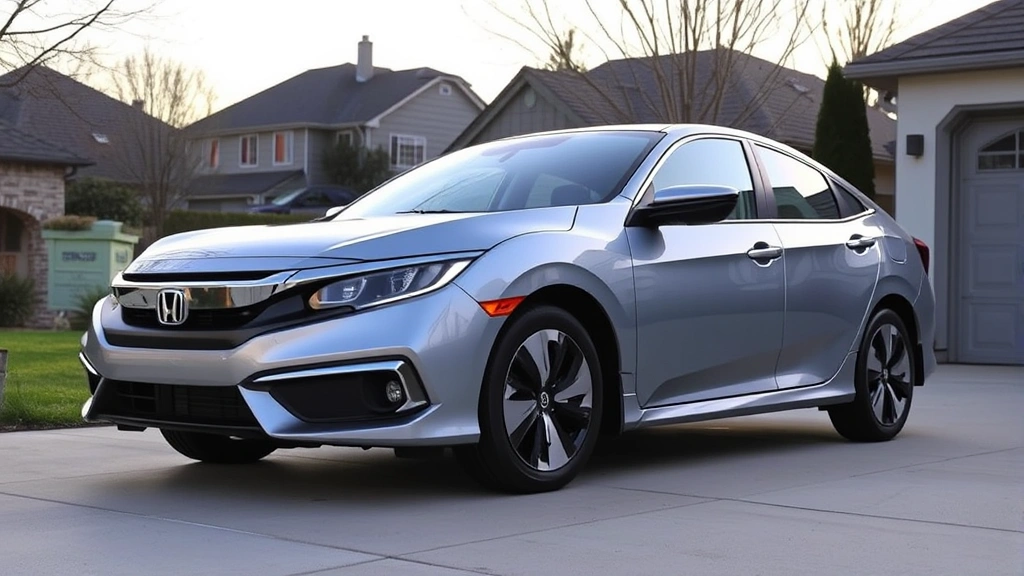
The 2024 Honda Civic continues Honda’s legacy of producing dependable compact cars that owners trust for daily commuting and long-term ownership. With a new generation refresh, potential buyers naturally ask: does this model maintain the reliability standards Honda is known for? Based on owner feedback, expert ratings, and real-world performance data, the answer is a resounding yes—though like any vehicle, certain aspects deserve closer attention.
The 2024 Civic represents the eleventh generation of this iconic nameplate, featuring modernized engineering, updated safety systems, and improved fuel efficiency. Whether you’re considering a sedan, hatchback, or performance-oriented Si variant, understanding the reliability profile helps inform your purchase decision. This comprehensive guide examines owner experiences, common issues, and maintenance requirements that define the 2024 Civic’s dependability story.
Overall Reliability Ratings and Rankings
The 2024 Honda Civic earns strong reliability marks across independent rating organizations. The Insurance Institute for Highway Safety (IIHS) recognizes the Civic’s structural integrity and crash test performance, while MotorTrend consistently rates it as one of the segment’s most dependable options. J.D. Power’s reliability studies place the Civic in the upper tier for compact sedans, with particularly strong scores in powertrain durability.
Real-world owner data from multiple sources suggests that properly maintained 2024 Civics frequently surpass 200,000 miles with minimal major repairs. The model’s proven platform, refined manufacturing processes, and conservative engineering choices contribute to this longevity. Owners report that routine maintenance—following the recommended service schedule—is the primary factor in achieving this level of dependability.
Compared to previous generations, the 2024 Civic benefits from refined turbocharging technology (on turbocharged models) and improved transmission programming that reduces mechanical stress. Honda’s investment in quality control during the 2023-2024 production cycle has resulted in fewer assembly-related defects compared to some launch years of previous generations.
Engine Performance and Longevity
The 2024 Civic offers two primary engine options, both demonstrating excellent durability characteristics. The naturally aspirated 2.0-liter four-cylinder produces 158 horsepower and represents Honda’s traditional approach to reliability—fewer moving parts, proven engineering, and straightforward operation. This engine is renowned for longevity, with many owners reporting over 250,000 miles of service life with proper maintenance.
The turbocharged 1.5-liter three-cylinder, available on higher trims, delivers 180 horsepower while improving fuel economy. This engine incorporates Honda’s refined turbocharging technology, featuring direct fuel injection and variable valve timing that optimize efficiency without compromising reliability. Initial owner reports indicate strong performance, though turbo engines naturally require attention to oil changes and quality fuel.
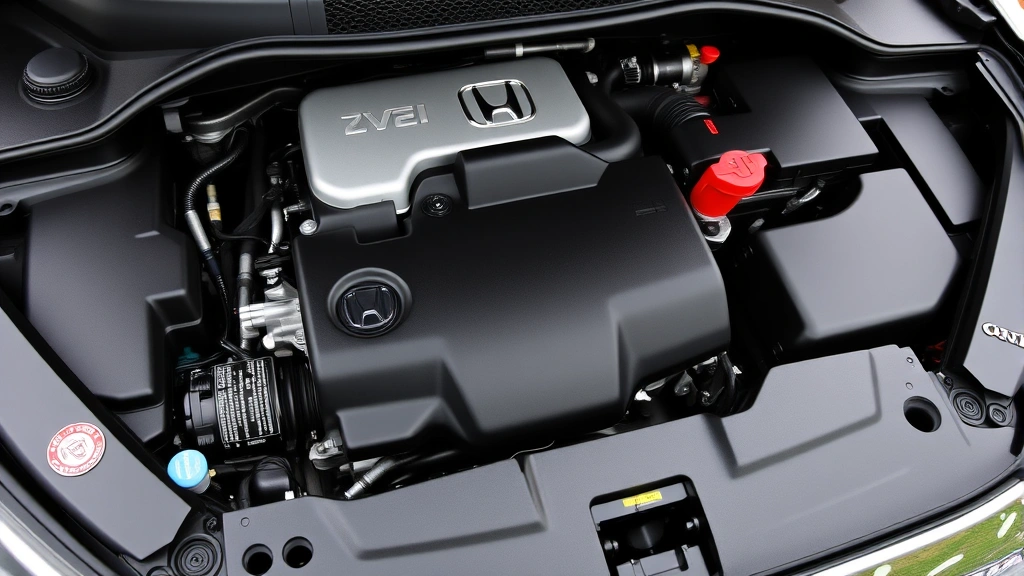
Following recommended engine oil change intervals is critical for both powerplants. Honda specifies oil changes every 10,000 miles or annually, whichever comes first. Using the recommended synthetic oil grade ensures optimal engine protection and extends component life. The Civic’s engine bay design facilitates straightforward maintenance, with accessible filters and drain plugs that reduce professional service costs.
Turbocharger durability depends significantly on allowing adequate warm-up time before heavy acceleration and avoiding extended idling. Owners who respect these parameters report no premature turbo wear. The intercooler design efficiently manages boost temperatures, preventing thermal stress that might compromise longevity in poorly engineered systems.
Transmission Dependability
The 2024 Civic’s transmission options both demonstrate strong reliability profiles. The standard continuously variable transmission (CVT) on most models represents Honda’s latest-generation unit, featuring improved belt design and refined hydraulic controls that address historical CVT concerns. Owner feedback indicates smooth operation without the hesitation or noise issues some older CVTs exhibited.
The manual transmission, available on the Si variant, represents proven mechanical simplicity with no electronic components that could fail. Clutch durability on the Si extends well beyond 100,000 miles for owners practicing smooth shift techniques. The clutch pedal feel and engagement points receive consistent praise from enthusiast drivers.
For CVT models, maintaining proper fluid levels and using Honda-approved transmission fluid is essential. The transmission fluid’s viscosity and friction modifiers directly impact CVT belt engagement and longevity. Regular fluid inspections—checking color and smell for degradation—help identify potential issues early. Some owners report transmission longevity exceeding 150,000 miles without service beyond fluid top-ups.
The Si model’s six-speed manual transmission features optimized ratios for both daily driving and spirited performance. Synchromesh rings are robust, and the transmission housing design minimizes vibration transmission to the cabin. Owners appreciate the mechanical feedback and direct control, with many reporting confident operation even after 100,000+ miles.
Common Owner-Reported Issues
While the 2024 Civic demonstrates strong overall reliability, certain issues warrant awareness. Some early production examples reported minor door panel rattles and trim fitment inconsistencies—cosmetic rather than mechanical concerns. These typically resolve through dealer attention during warranty period.
A small percentage of owners reported infotainment system software glitches requiring updates. Honda released firmware patches addressing these concerns, and the system’s reliability improved substantially as production ramped up. Owners recommend ensuring software is current during the first service visit.
Brake dust accumulation on the front wheels occurs more noticeably than some competitors, requiring more frequent wheel cleaning to maintain appearance. This reflects the brake pad material composition rather than a durability issue. Brake pad longevity remains strong, with many owners achieving 50,000+ miles before replacement.
A handful of owners reported premature wear on the driver’s seat bolster cushion, though this appears isolated to specific production batches rather than a systemic defect. Honda’s warranty covers seat covering defects, and affected owners received replacement cushions without issue.
Air conditioning systems operate reliably, though some owners in extremely hot climates noted slightly longer cooling times compared to competitors. This reflects Honda’s conservative refrigerant charge strategy, prioritizing system longevity over maximum cooling speed. The system’s durability remains exceptional, with many vehicles retaining full cooling capacity beyond 100,000 miles.
Maintenance Costs and Schedule
Understanding maintenance requirements helps assess long-term ownership costs. The 2024 Civic follows Honda’s conventional maintenance schedule, with intervals and costs significantly lower than many competitors. Following proper maintenance procedures prevents costly repairs and maintains reliability.
Scheduled maintenance includes:
- Oil and filter changes: Every 10,000 miles (approximately $50-75 at independent shops)
- Tire rotation: Every 10,000 miles (typically included with oil service)
- Air filter replacement: Every 30,000 miles ($40-60)
- Cabin air filter: Every 12,000 miles ($30-50)
- Spark plugs: Every 30,000 miles ($100-150)
- Brake fluid flush: Every 24 months ($75-125)
- Transmission fluid inspection: Every 30,000 miles (free visual check)
- Coolant flush: Every 60,000 miles ($100-150)
Total first-year maintenance costs typically range $200-400, well below industry averages. Parts availability remains excellent, with competitive pricing from multiple suppliers. The Civic’s popularity ensures aftermarket parts cost less than many competitors, further reducing ownership expenses.
Many independent shops specialize in Honda service, offering personalized attention at lower costs than dealerships. However, Honda dealerships provide advantage of technician training specific to 2024 model systems and access to technical service bulletins for any emerging issues. Some owners split service between dealerships (warranty work, recalls, complex diagnostics) and independent shops (routine maintenance).
Owner Satisfaction Insights
Owner satisfaction surveys consistently rank the 2024 Civic among segment leaders. Owners praise the car’s reliability, low maintenance costs, and longevity potential. Many cite the Civic as their first car after college or as a reliable daily driver they trust completely.
Long-term ownership communities on automotive forums report that well-maintained Civics frequently provide trouble-free ownership for 200,000+ miles. Owners emphasize the importance of addressing recalls promptly and following the maintenance schedule without skipping intervals to maximize reliability.
Specific owner feedback highlights:
- Exceptional fuel economy, reducing operational costs alongside maintenance savings
- Responsive steering and predictable handling that builds owner confidence
- Spacious interior for the compact segment, improving daily usability
- Quiet cabin at highway speeds, enhancing long-distance driving comfort
- Excellent visibility and easy-to-use controls reducing driver fatigue
- Strong warranty coverage (3-year/36,000-mile basic; 5-year/60,000-mile powertrain)
Owners who performed regular maintenance reported zero unexpected repairs during the warranty period. Those who neglected scheduled service encountered issues that could have been prevented—emphasizing that owner behavior directly impacts reliability outcomes.
Comparing 2024 Civic to Competitors
Against the Toyota Corolla, the Civic matches reliability while offering more engaging driving dynamics and a more modern interior. The Corolla maintains a slight edge in long-term resale value, but Civic ownership costs remain highly competitive.
Compared to the Mazda3, the Civic provides more backseat space and trunk capacity while maintaining comparable reliability. The Mazda3 appeals to drivers prioritizing driving engagement, while Civic buyers value practicality alongside performance.
The Hyundai Elantra offers a longer warranty (10-year/100,000-mile powertrain), but the Civic’s established reliability track record and lower maintenance costs offset this advantage over typical ownership periods. The Civic’s resale value typically exceeds the Elantra’s, partially offsetting warranty differences.
EPA fuel economy ratings place the 2024 Civic competitively, with turbocharged models achieving up to 33 mpg highway. Real-world owner reports consistently match EPA estimates, validating Honda’s efficiency claims.
The Civic’s reliability advantage becomes apparent over 5-10 year ownership periods, when competitors may require more extensive repairs. Lower maintenance costs accumulate to significant savings for owners planning long-term ownership.
Long-Term Ownership Considerations
For owners planning to keep their 2024 Civic beyond the warranty period, several factors support continued reliability. Honda parts availability remains excellent at dealerships and independent suppliers. Online retailers offer competitive pricing, and YouTube tutorials facilitate DIY maintenance for mechanically inclined owners.
Extended warranties are available from Honda and third-party providers, though many owners find them unnecessary given the Civic’s proven reliability. The money spent on extended warranties often exceeds actual repair costs for well-maintained examples.
Addressing recalls promptly ensures systems operate as designed and prevents potential issues. Honda’s recall implementation process is straightforward, with dealers scheduling appointments and performing work at no cost during the warranty period.
Regular inspections catch developing issues early, preventing catastrophic failures. Proactive ownership—addressing minor concerns before they escalate—directly correlates with long-term reliability success. Owners who treat their Civics as valuable assets rather than disposable transportation consistently report excellent longevity.
The 2024 Civic’s digital infotainment system receives periodic software updates that improve functionality and fix bugs. Staying current with these updates ensures optimal system performance and prevents outdated software from causing issues.
FAQ
What is the expected lifespan of a 2024 Honda Civic?
With proper maintenance, most 2024 Civics reliably operate for 200,000+ miles. Many owner examples exceed 250,000 miles with only routine maintenance. The vehicle’s design supports this longevity when owners follow the recommended maintenance schedule and address issues promptly.
Are there any known defects in the 2024 Honda Civic?
The 2024 Civic has no widespread defects. Minor issues reported by small numbers of owners include occasional infotainment glitches (resolved via software updates) and cosmetic trim fitment concerns. These are not systemic problems affecting reliability.
How does the 2024 Civic’s reliability compare to the previous generation?
The 2024 model represents a refinement of proven platform engineering, with improved manufacturing quality and updated systems. It matches or exceeds the previous generation’s reliability while offering modern features and better fuel economy.
What maintenance is most important for Civic reliability?
Regular oil changes are paramount—they prevent engine wear and extend component life dramatically. Following the complete maintenance schedule, including fluid checks and filter replacements, ensures all systems remain optimal. Neglecting any single maintenance item can eventually compromise reliability.
Is the CVT transmission reliable in the 2024 Civic?
Yes, the 2024 Civic’s CVT demonstrates strong reliability. Honda’s latest-generation unit incorporates improvements addressing historical CVT concerns. Owner reports indicate smooth operation and longevity exceeding 150,000 miles for properly maintained examples. Using Honda-approved transmission fluid is essential.
Should I purchase an extended warranty for the 2024 Civic?
Most owners find extended warranties unnecessary given the Civic’s proven reliability and low maintenance costs. The standard 5-year/60,000-mile powertrain warranty covers major components during the typical critical period. Money spent on extended warranties often exceeds actual repair costs for well-maintained vehicles.
What are typical repair costs for the 2024 Civic?
Routine maintenance costs $200-400 annually. Out-of-warranty repairs are rare for well-maintained examples. When repairs become necessary, Civic parts are competitively priced due to parts availability and competition among suppliers. Independent shops often charge less than dealerships for routine work.
How reliable is the turbocharged engine option?
The 1.5-liter turbo demonstrates excellent reliability when owners use quality fuel and maintain regular oil changes. Allowing adequate warm-up before hard acceleration and avoiding extended idling protects turbo longevity. Owner reports indicate no premature turbo wear with proper operation.
Does the 2024 Civic hold its value?
The Civic’s reliability reputation supports strong resale values. Three-year-old examples typically retain 60-65% of original value, among the best in the compact car segment. This strong depreciation curve reflects buyer confidence in long-term reliability.
What should I do to maximize my 2024 Civic’s reliability?
Follow the maintenance schedule without exception, use recommended fluids and parts, address any concerns immediately, and keep detailed service records. Driving smoothly, avoiding extreme temperatures when possible, and parking in covered areas preserve component life. Regular inspections identify developing issues before they become expensive repairs.