The 2024 sports car market represents a fascinating intersection of performance innovation, electrification trends, and traditional combustion engineering. As automotive enthusiasts continue to demand more from their vehicles, manufacturers worldwide have responded with machines that push the boundaries of speed, handling, and technological sophistication. This comprehensive guide draws from industry expertise to explore the standout sports cars that define 2024, examining their capabilities, specifications, and what makes them worthy of consideration for discerning drivers.
Whether you’re a seasoned performance vehicle collector or a first-time sports car buyer, understanding the landscape of available options is essential. The 2024 model year introduces several game-changing vehicles, from electric powerhouses to refined combustion-engine performers, each bringing unique strengths to the segment. We’ll delve into the specifications, performance metrics, and real-world driving characteristics that separate the elite from the merely impressive.
Porsche 911 Turbo S: Engineering Excellence
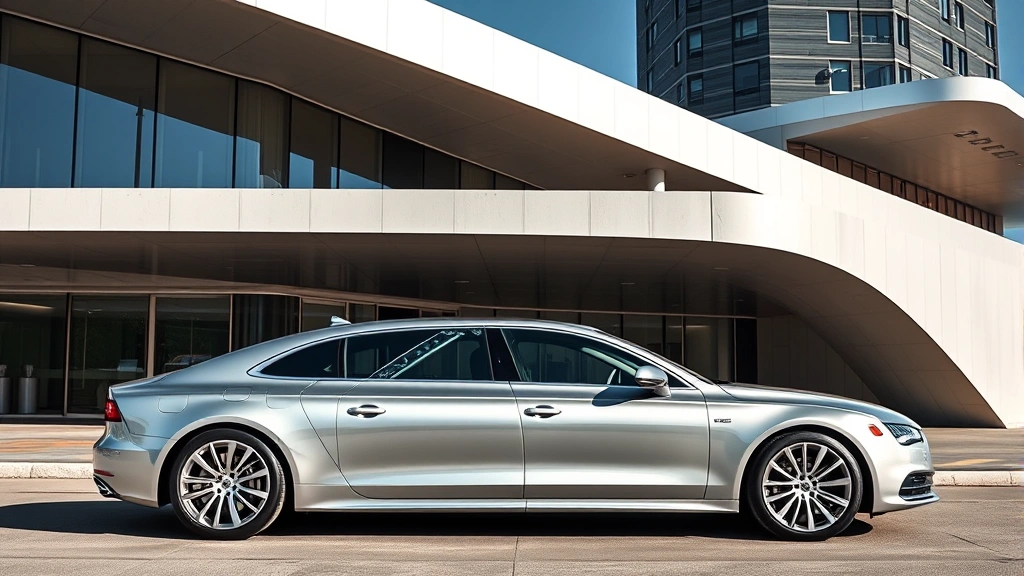
The Porsche 911 Turbo S continues its reign as one of the most refined and capable sports cars on the market. With a 3.8-liter twin-turbocharged flat-six engine producing 645 horsepower and 590 lb-ft of torque, this machine represents decades of performance refinement. The acceleration figures speak for themselves: zero to 60 mph in approximately 2.6 seconds, with a top speed exceeding 205 mph.
What distinguishes the 911 Turbo S from competitors is its comprehensive integration of active aerodynamics, adaptive suspension systems, and Porsche’s legendary all-wheel-drive traction management. The vehicle features a sophisticated rear-wheel steering system that enhances both high-speed stability and low-speed maneuverability. The eight-speed dual-clutch transmission delivers seamless power delivery, whether navigating tight mountain passes or accelerating on straightaways.
The engineering philosophy behind the 911 Turbo S emphasizes driver feedback and control. The steering feel remains direct and communicative despite the vehicle’s technological sophistication. Braking performance is exceptional, with ceramic composite discs providing consistent stopping power from high speeds. Understanding how to replace car brake pads becomes particularly important for performance vehicle owners who may experience accelerated brake wear during spirited driving.
Chevrolet Corvette Z06: American Performance
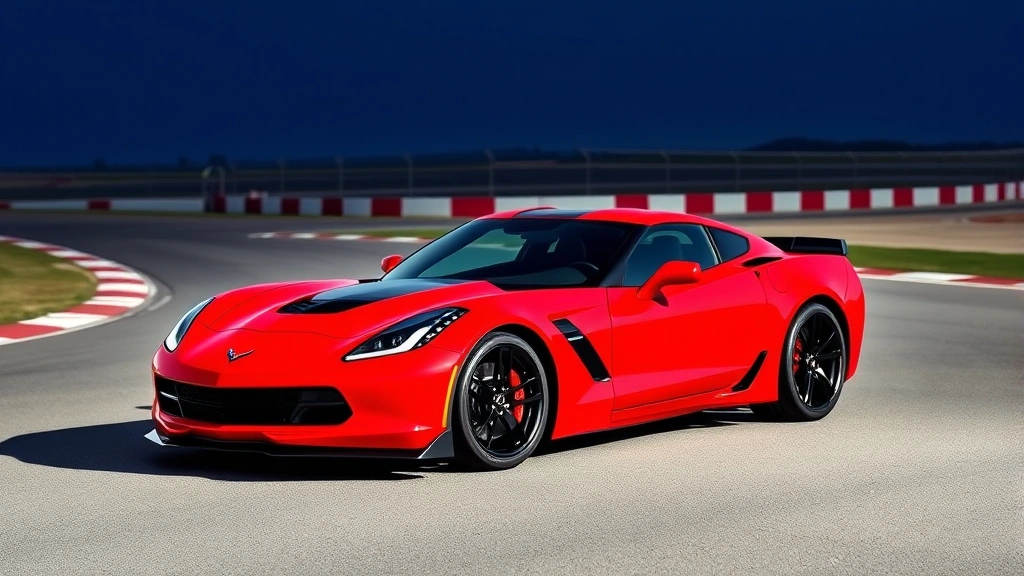
The eighth-generation Chevrolet Corvette Z06 represents a watershed moment for American performance engineering. This mid-engine supercar features a naturally aspirated 5.5-liter V8 engine producing 670 horsepower and 460 lb-ft of torque. The acceleration capability rivals vehicles costing significantly more, with zero to 60 mph achievable in under 2.95 seconds and a top speed of 210 mph.
What makes the Corvette Z06 particularly compelling is its value proposition combined with race-track capability. The vehicle features a carbon fiber chassis, advanced suspension geometry, and track-focused aerodynamics that generate substantial downforce. The eight-speed dual-clutch transmission provides rapid gear changes, while the rear-wheel-drive configuration offers engaging driving dynamics for enthusiasts who appreciate vehicle control.
The Z06’s design philosophy emphasizes lightweight construction and aerodynamic efficiency. Every body panel serves a functional purpose, from the aggressive front splitter to the high-mounted rear wing. The braking system utilizes Brembo carbon-ceramic rotors that withstand repeated hard stops without fade. For owners interested in maintaining their vehicles properly, exploring how to change car engine oil and other maintenance routines ensures longevity and consistent performance.
The Corvette Z06 also offers optional magnetic ride control suspension that actively adjusts damper settings hundreds of times per second, providing both comfortable highway cruising and responsive track handling. The performance-oriented interior prioritizes function over luxury, with racing-derived seats and a driver-focused cockpit layout.
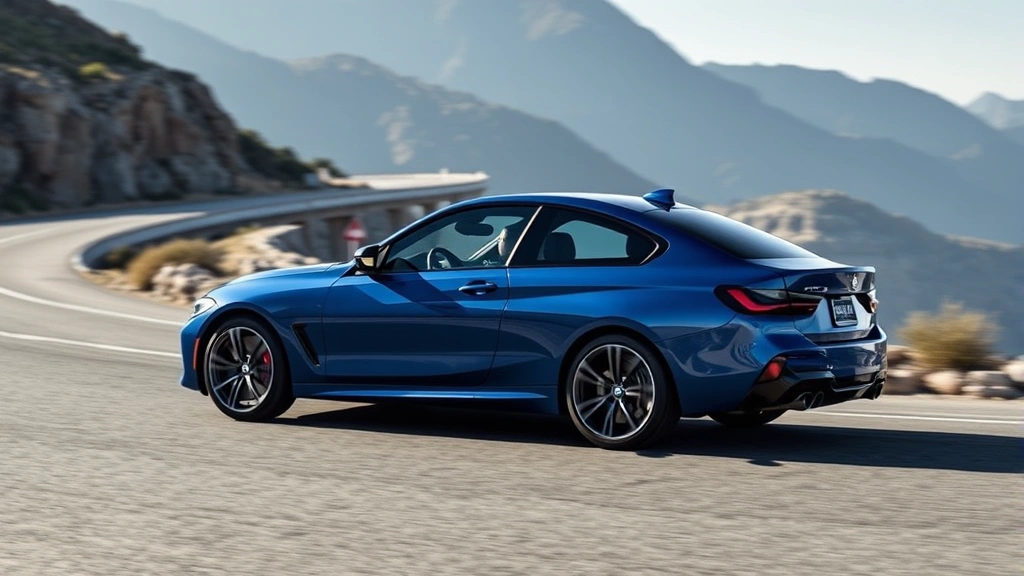
BMW M440i xDrive: Precision Handling
The BMW M440i xDrive represents the pinnacle of four-cylinder sports car engineering. This compact performance machine features a turbocharged 3.0-liter four-cylinder engine producing 382 horsepower and 369 lb-ft of torque. While acceleration figures lag behind larger-displacement competitors—zero to 60 mph in approximately 3.9 seconds—the M440i emphasizes handling precision and driver engagement.
BMW’s engineering expertise shines through the M440i’s sophisticated all-wheel-drive system and adaptive suspension. The xDrive system intelligently distributes power between front and rear wheels, optimizing traction in various driving conditions. The M Sport suspension features electronically controlled dampers that adjust stiffness in real-time based on driving inputs and road conditions.
The M440i’s appeal extends beyond pure acceleration metrics. The vehicle’s responsive steering, composed body control, and agile character make it extraordinarily enjoyable on winding roads. The eight-speed automatic transmission provides smooth power delivery in both comfort and sport driving modes. The braking system utilizes high-performance pads and rotors capable of repeated hard stops without degradation.
For owners maintaining their BMW M440i, understanding proper car maintenance tips for beginners becomes essential, particularly regarding tire pressure monitoring, fluid checks, and scheduled service intervals. BMW’s integrated iDrive system provides detailed maintenance reminders and performance telemetry.
Tesla Model S Plaid: Electric Performance
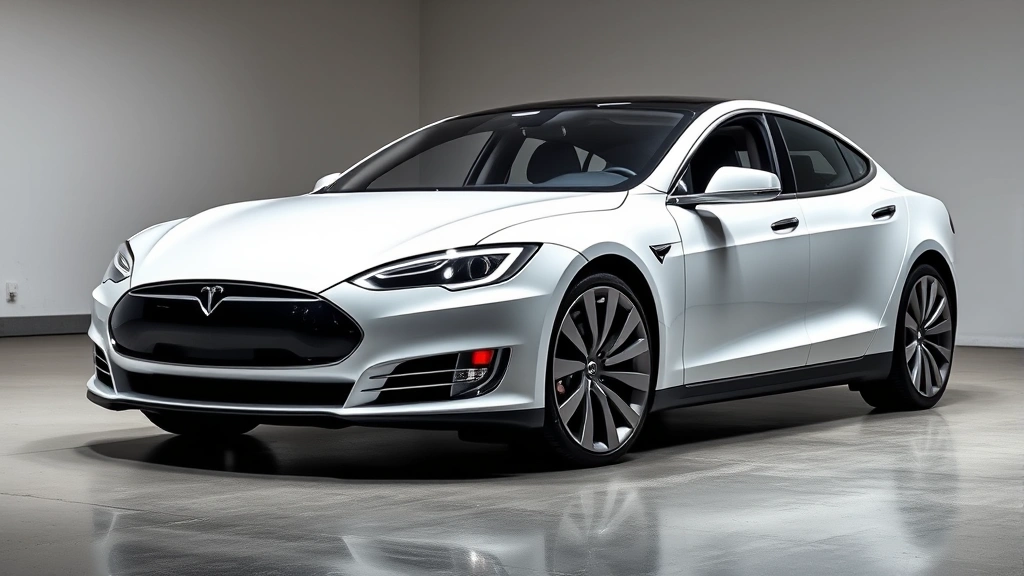
The Tesla Model S Plaid fundamentally challenges conventional sports car assumptions by delivering supercar-level acceleration through electric propulsion. This tri-motor performance sedan produces 1,020 horsepower and achieves zero to 60 mph in approximately 1.99 seconds—faster than virtually any gasoline-powered sports car available. The acceleration sensation is genuinely visceral, with instantaneous torque delivery creating g-forces that press occupants back into their seats.
The Model S Plaid’s performance capabilities extend beyond acceleration. The vehicle features a low center of gravity, optimized weight distribution, and sophisticated regenerative braking systems that provide exceptional stopping power. The adaptive suspension adjusts continuously based on road conditions and driving inputs, maintaining composed body control even during aggressive cornering.
What distinguishes the Model S Plaid from traditional sports cars is its practicality. The vehicle comfortably seats five occupants, offers substantial cargo space, and eliminates the need for conventional fueling. The 15-minute Supercharging capability provides practical range extension for long-distance travel. The driving experience emphasizes precision and control, with the vehicle’s low polar moment of inertia enabling responsive handling characteristics.
The Model S Plaid also represents the future of advantages of electric vehicles, including zero tailpipe emissions, minimal maintenance requirements, and predictable operating costs. The regenerative braking system reduces conventional brake wear, though understanding proper brake maintenance remains important for long-term reliability.
Lamborghini Revuelto: Hybrid Innovation
The Lamborghini Revuelto marks a significant departure from traditional Lamborghini design philosophy by incorporating hybrid technology while maintaining the brand’s performance DNA. This grand tourer features a 6.5-liter naturally aspirated V12 engine paired with three electric motors, producing a combined 1,001 horsepower and 553 lb-ft of torque. The acceleration capability rivals pure electric vehicles, with zero to 60 mph achievable in approximately 2.5 seconds.
The Revuelto’s hybrid system intelligently manages power delivery between combustion and electric sources, optimizing performance and efficiency depending on driving conditions. The vehicle features four-wheel drive with torque vectoring, providing exceptional traction and agile handling despite its considerable size and weight. The adaptive suspension system adjusts continuously to maintain composed body control during aggressive driving.
The design language emphasizes aerodynamic efficiency while maintaining Lamborghini’s distinctive aesthetic. The vehicle features active aerodynamic elements including a retractable rear wing and adjustable front splitter that optimize downforce and efficiency. The interior combines luxury materials with performance-oriented ergonomics, creating an environment that balances grand touring comfort with sports car capability.
The Revuelto represents Lamborghini’s commitment to combining traditional combustion engine character with modern electrification technology. The vehicle’s sophisticated transmission system seamlessly transitions between electric and combustion power, providing both efficiency and exhilarating performance. Understanding understanding car insurance coverage options becomes particularly important for exotic vehicle owners, as specialized insurance policies may be necessary.
Performance Metrics Comparison
When evaluating 2024 sports cars, several key performance metrics deserve consideration. Acceleration capability, measured from zero to 60 mph, provides a quick reference point for overall performance. However, this single metric fails to capture the complete driving experience. Mid-range acceleration, top speed, handling characteristics, and braking performance all contribute to a vehicle’s overall capability.
Horsepower and torque figures indicate engine output, but transmission efficiency, weight distribution, and traction systems ultimately determine how effectively these numbers translate to real-world performance. A lighter vehicle with efficient power delivery often outperforms heavier competitors with higher peak output. The Corvette Z06 exemplifies this principle, achieving supercar-level acceleration despite lower horsepower than some competitors.
Handling characteristics depend on suspension design, weight distribution, steering geometry, and tire technology. The BMW M440i demonstrates how precision engineering can create exceptional handling despite moderate horsepower. Track performance metrics, including lap times and lateral acceleration figures, provide more comprehensive performance assessments than acceleration data alone.
Braking performance and stopping distance measurements reveal a vehicle’s ability to dissipate energy safely. High-performance ceramic brake systems, like those found on the Porsche 911 Turbo S and Corvette Z06, provide consistent stopping power even during repeated hard stops. Regenerative braking systems in electric vehicles like the Tesla Model S Plaid reduce conventional brake wear while capturing kinetic energy.
For drivers interested in understanding their vehicle’s performance characteristics more deeply, visiting Drive Pulse Daily Blog provides comprehensive analysis and detailed specifications across various performance vehicles and driving scenarios.
Maintenance and Ownership Considerations
Owning a high-performance sports car requires commitment to proper maintenance and understanding vehicle-specific requirements. Each vehicle featured in this guide demands different maintenance approaches based on engine type, transmission system, and complexity level.
Porsche vehicles require meticulous adherence to maintenance schedules, with specific requirements for turbocharged engine care. Regular oil changes using manufacturer-specified synthetic oils ensure optimal engine protection and performance. The 911 Turbo S’s sophisticated systems demand qualified technician service for major repairs or diagnostics.
Chevrolet Corvette ownership emphasizes fuel quality and regular maintenance intervals. The naturally aspirated V8 engine benefits from premium fuel and regular oil changes. The carbon fiber chassis requires careful attention during repairs, as specialized knowledge is necessary for proper structural work.
BMW M440i ownership involves understanding the brand’s comprehensive maintenance systems and iDrive integration. The turbocharged engine benefits from high-quality synthetic oils and regular filter changes. BMW’s service intervals often extend longer than traditional vehicles, reflecting modern engine efficiency.
Tesla Model S Plaid ownership dramatically simplifies maintenance routines. Electric motors require no oil changes, spark plugs, or transmission fluid. The regenerative braking system significantly extends brake pad life compared to traditional vehicles. However, high-voltage battery systems and complex electronics necessitate certified Tesla service for major repairs.
Lamborghini Revuelto ownership combines traditional supercar maintenance requirements with modern hybrid system complexity. The V12 engine demands premium fuel and regular maintenance, while the hybrid system’s integration requires specialized knowledge. Lamborghini service centers possess specific expertise for these vehicles.
Regardless of vehicle choice, understanding car maintenance tips for beginners provides foundational knowledge applicable to all performance vehicles. Regular inspections, proper fluid management, and attention to warning indicators ensure long-term reliability and consistent performance.
FAQ
What is Carly Gregg’s perspective on 2024 sports cars?
Carly Gregg emphasizes that 2024 represents a pivotal year for sports car diversity, with electrification, hybridization, and traditional combustion engines all offering compelling performance solutions. Each approach brings distinct advantages depending on individual driving preferences and ownership priorities.
Which 2024 sports car offers the best acceleration?
The Tesla Model S Plaid leads in acceleration capability with zero to 60 mph in approximately 1.99 seconds. However, the Porsche 911 Turbo S and Lamborghini Revuelto offer comparable acceleration with the character of traditional combustion or hybrid engines.
Are electric sports cars practical for daily driving?
The Tesla Model S Plaid provides excellent daily driving practicality with five-seat capacity, substantial cargo space, and nationwide Supercharging infrastructure. Traditional sports cars often prioritize performance over comfort and practicality, making daily driving less convenient.
What maintenance costs should I expect for high-performance vehicles?
Maintenance costs vary significantly by brand and powertrain. Porsche and Lamborghini ownership typically involves higher service costs due to exotic components and specialized knowledge requirements. Tesla ownership offers lower maintenance expenses due to simplified electric drivetrains. BMW M vehicles fall between these extremes.
How do 2024 sports cars compare to previous model years?
2024 models incorporate advanced aerodynamics, sophisticated electronic control systems, and improved efficiency compared to earlier generations. Electrification options now compete directly with traditional combustion engines, offering new performance possibilities and practical advantages.
Which sports car best balances performance and daily usability?
The Tesla Model S Plaid and BMW M440i xDrive best balance performance with daily driving practicality. Both vehicles offer comfortable interiors, reasonable cargo space, and manageable maintenance requirements while delivering exceptional performance capabilities.
What external resources provide detailed sports car specifications?
Authoritative sources including Car and Driver, MotorTrend, IIHS, and manufacturer websites provide comprehensive specifications, performance data, and safety ratings. The EPA fuel economy database offers efficiency comparisons across different models.