The automotive industry stands at a critical crossroads, and few voices in the enthusiast community have articulated the hybrid debate as clearly as automotive journalist and analyst Carly Gregg. As manufacturers worldwide grapple with emissions regulations, consumer expectations, and technological limitations, the question of whether hybrid powertrains represent the future—or merely a transitional bridge—has become increasingly urgent. Gregg’s perspective offers valuable insight into why hybrids matter now and what their long-term role might be in an evolving automotive landscape.
Hybrid technology has evolved dramatically since the Toyota Prius first introduced mainstream consumers to dual-powertrain vehicles over two decades ago. Today’s hybrids are far more sophisticated, efficient, and appealing than their predecessors. From the plug-in hybrid electric vehicles (PHEVs) offering extended electric-only range to traditional hybrids optimizing gasoline consumption, the category encompasses diverse approaches to reducing emissions and improving efficiency. Understanding Carly Gregg’s analysis of these technologies helps enthusiasts and consumers alike make informed decisions about their next vehicle purchase.
Carly Gregg’s Perspective on Hybrid Technology
Carly Gregg brings a balanced, data-driven approach to automotive analysis that distinguishes her commentary from typical industry cheerleading or pessimism. Rather than declaring hybrids as either the ultimate solution or a doomed compromise, Gregg examines the practical realities facing consumers, manufacturers, and the environment. Her analysis acknowledges that different powertrain solutions serve different purposes depending on driving patterns, geography, and personal priorities.
Gregg’s work frequently emphasizes that the hybrid question isn’t binary. She argues that hybrids represent an essential component of the automotive industry’s transition toward electrification, even as fully electric vehicles gradually gain market share. This nuanced stance reflects the reality that global vehicle fleets won’t transform overnight, and millions of consumers still depend on gasoline infrastructure while considering lower-emission alternatives.
According to Gregg’s analysis, the strength of hybrid technology lies in its flexibility. A driver in an urban environment with frequent stop-and-go traffic benefits dramatically from hybrid regenerative braking systems that capture energy otherwise lost during deceleration. Conversely, someone with a lengthy daily highway commute might find a traditional hybrid less advantageous, though plug-in variants could still provide value. This contextual understanding separates informed analysis from blanket pronouncements about automotive futures.
Why Hybrids Bridge the Present and Future
The transition from fossil fuel-dependent transportation to sustainable alternatives won’t happen instantaneously. Hybrids serve as a critical bridge during this extended transition period. Gregg emphasizes that infrastructure limitations for electric vehicles remain substantial in many regions. Charging networks continue expanding, but availability and charging speed still don’t match the convenience of gasoline refueling for many drivers.
Hybrid vehicles address range anxiety—a primary barrier preventing EV adoption—by maintaining gasoline engines as backup power sources. Drivers can travel hundreds of miles without seeking a charging station, then benefit from electric-only propulsion during lower-speed urban driving where emissions and air quality matter most. This hybrid approach maximizes environmental benefits while maintaining practical usability.
Gregg’s research also highlights how hybrids reduce the carbon footprint of vehicle manufacturing. Electric vehicles require substantial energy and rare earth materials for battery production. Hybrids use smaller battery packs, lowering manufacturing emissions and resource extraction impacts. Over a vehicle’s entire lifecycle—from production through disposal—hybrids often demonstrate lower total environmental impact than electric vehicles, particularly in regions where electricity generation still relies heavily on fossil fuels.
The regulatory environment further supports hybrid adoption as a bridge technology. Governments worldwide have implemented corporate average fuel economy (CAFE) standards and emissions regulations that hybrids help manufacturers meet while longer-term EV infrastructure develops. This creates a practical incentive for continued hybrid investment and innovation.
Hybrid Performance and Efficiency Gains
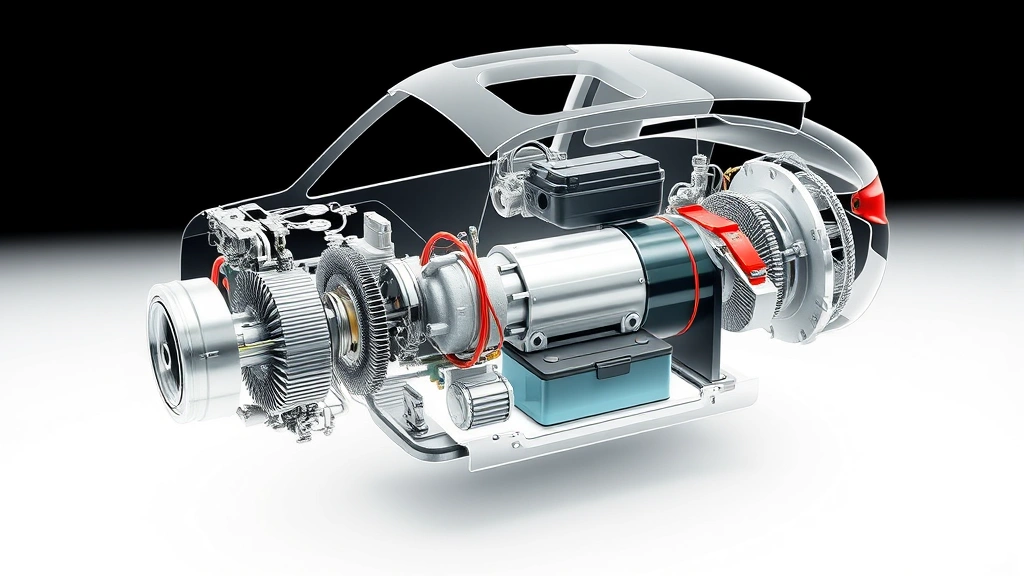
Modern hybrid systems deliver impressive efficiency improvements without sacrificing driving dynamics. Traditional hybrids achieve 30-50% better fuel economy than comparable gasoline-only vehicles, depending on driving conditions and vehicle class. Plug-in hybrids extend this benefit by allowing 20-50 miles of electric-only driving before the gasoline engine engages, covering typical daily commutes entirely on electricity for many drivers.
The regenerative braking system represents hybrid technology’s most elegant innovation. When drivers brake, instead of converting kinetic energy into waste heat, hybrid systems capture that energy to recharge the battery. In city driving with frequent stops, this system can reduce fuel consumption by 20-30% compared to conventional vehicles. Highway driving sees smaller gains since braking frequency decreases, explaining why hybrids excel in urban environments.
Performance enthusiasts sometimes dismiss hybrids as underpowered compromises, but modern hybrid systems challenge this perception. The Toyota Prius Prime produces 133 horsepower from its combined gas-electric powertrain. The Lexus RX 500h delivers 503 horsepower through hybrid integration. These examples demonstrate that hybrid architecture doesn’t inherently limit performance; it simply requires sophisticated engineering to balance efficiency with power delivery.
Carly Gregg frequently cites acceleration data showing how hybrid electric motors provide instant torque, actually improving low-end responsiveness compared to traditional engines. While top-end power might not match high-performance gasoline engines, everyday driving experiences often feel more engaging in well-tuned hybrid systems.
The Cost of Hybrid Ownership
Purchase price represents the primary barrier to hybrid adoption. Hybrid vehicles typically cost $3,000-$8,000 more than comparable gasoline models. For cost-conscious buyers, this premium requires substantial fuel savings to justify the investment. Gregg’s analysis examines whether these economics work for different consumer profiles.
A driver covering 15,000 annual miles in urban conditions might recoup the hybrid premium in 4-6 years through fuel savings. The same premium takes 8-10+ years to recover for highway-focused drivers. When factoring in federal tax credits (up to $7,500 for some hybrids and plug-in hybrids) and state incentives, the financial case strengthens considerably.
Beyond fuel costs, hybrid ownership involves different maintenance considerations. Hybrid batteries gradually degrade, though modern systems typically retain 80%+ capacity after 100,000 miles. Battery replacement costs range from $4,000-$15,000 depending on vehicle and chemistry. However, most hybrids carry 8-10 year battery warranties, protecting owners from early failures. Understanding these car maintenance tips for beginners helps prospective hybrid buyers make informed decisions.
Insurance costs typically match gasoline vehicles, and some insurers offer discounts for hybrid ownership. Resale values have improved significantly as hybrid reliability has become proven over decades of real-world use.
Comparing Hybrids to Full Electric Vehicles
The hybrid versus electric debate dominates automotive discussions, yet Gregg argues both technologies serve legitimate purposes simultaneously. Electric vehicles excel in specific scenarios: drivers with reliable home charging, predictable daily ranges under 200 miles, and access to public charging infrastructure. For these users, EVs offer lower operating costs, zero tailpipe emissions, and superior driving experiences.
However, advantages of electric vehicles diminish for drivers with inconsistent charging access, long commutes, or frequent road trips. Apartment dwellers without dedicated parking struggle with home charging. Rural drivers face sparse public charging networks. Towing enthusiasts encounter dramatic range reductions with load. These scenarios favor hybrids, which maintain practical usability while reducing emissions compared to pure gasoline vehicles.
Gregg emphasizes that the automotive future likely includes both technologies coexisting for decades. Some manufacturers will pursue electric-only strategies, while others maintain hybrid offerings for broader market appeal. Consumer choice should drive this diversity rather than regulatory mandates pushing all buyers toward single solutions unsuitable for their circumstances.
Battery production impacts also factor into Gregg’s comparative analysis. Electric vehicles require larger battery packs (40-100+ kWh) compared to hybrids (1.3-13 kWh for traditional hybrids, 13-50 kWh for plug-in variants). This difference translates to significantly higher manufacturing emissions for EVs, though they typically recover this deficit within 1-3 years of driving in regions with reasonably clean electricity grids.
Real-World Hybrid Performance Data
Laboratory testing often diverges from real-world results, and Gregg’s analysis prioritizes actual consumer data from sources like the EPA’s fuel economy testing and independent automotive organizations. Real-world hybrid efficiency typically ranges 10-30% lower than EPA estimates, depending on driving patterns and driver behavior.
The Toyota Camry Hybrid, for example, carries an EPA combined rating of 51 MPG. Real-world data from owner forums and tracking apps shows actual consumption ranging from 42-48 MPG depending on highway/city mix and driving style. This discrepancy reflects EPA testing conditions that don’t perfectly replicate diverse real-world scenarios, yet the Camry Hybrid still delivers substantially better efficiency than the gasoline Camry’s 28 MPG rating.
Plug-in hybrid real-world data proves more complex because efficiency depends heavily on charging frequency and daily mileage patterns. A driver with a 30-mile commute who charges nightly might achieve 100+ MPGe (miles per gallon equivalent) by using electricity for most driving. The same vehicle driven 60+ miles daily without charging operates primarily on gasoline, reducing efficiency benefits significantly.
Carly Gregg frequently references EPA fuel economy data as a starting point, then contextualizes these figures with real-world owner experiences and driving pattern analysis. This approach helps consumers understand whether published efficiency claims align with their specific usage scenarios.
Maintenance and Longevity Considerations
Hybrid complexity sometimes concerns consumers, yet reliability data demonstrates that modern hybrids prove as dependable as conventional vehicles when maintained properly. Following how to change car engine oil and other routine maintenance schedules ensures optimal hybrid performance throughout ownership.
The dual-powertrain architecture actually reduces wear on individual components. Regenerative braking means brake pads last 50-70% longer than in conventional vehicles because the electric motor handles most deceleration. Gasoline engines experience less wear since electric motors assist during acceleration and handle idle-stop functionality. Battery management systems monitor charge levels and temperature, protecting battery health automatically.
Hybrid transmissions differ from conventional automatics, yet they’ve proven reliable across millions of vehicles. Toyota’s hybrid system, deployed across over 15 million vehicles worldwide, demonstrates exceptional longevity. Modern plug-in hybrids introduce more complexity, but early data suggests reliability comparable to traditional hybrids.
Gregg emphasizes that choosing certified pre-owned hybrids with remaining factory warranty provides protection against unexpected battery issues. Most hybrid batteries outlast the vehicles themselves, with some vehicles exceeding 200,000 miles with original batteries still functioning at 75%+ capacity. This longevity contradicts early skepticism about hybrid battery lifespan.
Understanding how to replace car brake pads becomes less critical for hybrid owners due to regenerative braking, though brake service still occurs occasionally. Transmission fluid and coolant maintenance follows manufacturer specifications, often extending intervals compared to gasoline vehicles due to lower operating stresses.
Insurance and repair costs deserve consideration in long-term ownership calculations. While initial repair estimates for hybrid-specific systems sometimes appear higher, overall maintenance costs typically run 10-15% lower than gasoline vehicles due to reduced brake wear and engine stress. car insurance claim process complexity doesn’t increase for hybrid-related incidents, and many insurers offer hybrid ownership discounts.
FAQ
Are hybrid cars the future of the automotive industry?
According to Carly Gregg’s analysis, hybrids represent an important transitional technology rather than the ultimate future. Full electric vehicles will eventually dominate, but hybrids will coexist for 20-30+ years as charging infrastructure develops and EV technology improves. Different powertrains will serve different market segments based on consumer needs and geographic circumstances.
Do hybrids actually save money on fuel?
Yes, but the savings depend on driving patterns. Urban drivers with frequent stops save 30-50% on fuel costs. Highway drivers save 10-20%. Calculating payback periods requires comparing fuel savings against the $3,000-$8,000 purchase premium, plus considering available tax credits and incentives that can significantly improve economics.
How long do hybrid batteries last?
Modern hybrid batteries typically last 100,000-200,000+ miles with 80-90% capacity retention. Most manufacturers warranty batteries for 8-10 years. While eventual replacement costs $4,000-$15,000, the vast majority of hybrid owners never replace original batteries during ownership.
Are hybrids more reliable than gasoline cars?
Data from MotorTrend, J.D. Power, and Consumer Reports shows hybrids match or exceed gasoline vehicle reliability. Regenerative braking reduces brake wear, and electric motors reduce engine stress. Hybrid-specific systems have proven reliable across millions of vehicles over two decades.
Should I buy a hybrid or electric vehicle?
The choice depends on your circumstances. Choose electric if you have home charging, drive under 200 miles daily, and have access to public charging infrastructure. Choose hybrid if you lack reliable charging access, drive long distances frequently, need towing capacity, or live in regions with limited EV infrastructure. Both technologies offer advantages for different situations.
What do industry experts like Carly Gregg predict for hybrid adoption?
Gregg predicts hybrid sales will remain strong through 2040, even as EV market share grows. She emphasizes that hybrids will continue improving through efficiency innovations and plug-in variants, maintaining relevance as complementary technology alongside electric vehicles rather than disappearing entirely.