Is Hybrid the Future? Carly Gregg’s Insights
The automotive industry stands at a critical crossroads. As emissions regulations tighten globally and consumers grow increasingly conscious of their environmental impact, the question of whether hybrid technology represents the future of personal transportation has never been more relevant. Carly Gregg, a seasoned automotive analyst and contributor to Drive Pulse Daily Blog, has spent years examining the trajectory of hybrid vehicles and their role in shaping tomorrow’s roads. Her insights reveal a nuanced perspective that challenges simplistic narratives about electric vehicles completely replacing traditional powertrains.
Hybrid technology has evolved dramatically over the past two decades, transforming from a niche eco-friendly option into a mainstream choice for millions of drivers worldwide. Gregg’s research indicates that hybrids occupy a uniquely practical middle ground between conventional internal combustion engines and fully electric vehicles, offering tangible benefits in fuel efficiency, reduced emissions, and driving range without the infrastructure concerns that plague pure electric adoption. Understanding these dynamics requires examining the current state of hybrid technology, market trends, and the broader context of automotive electrification.
The Evolution of Hybrid Technology
Hybrid vehicles have come remarkably far since Toyota introduced the Prius in 1997. What began as an experimental approach to reducing fuel consumption has matured into a sophisticated engineering achievement that seamlessly integrates multiple power sources. Modern hybrids employ advanced battery management systems, regenerative braking technologies, and intelligent power distribution algorithms that would have seemed impossible just fifteen years ago.
Carly Gregg emphasizes that understanding hybrid technology requires appreciating the elegance of its fundamental principle: capturing energy that would otherwise be wasted during braking and using it to power electric motors that assist the gasoline engine during acceleration and cruising. This synergy produces efficiency gains that are mathematically significant—many hybrids achieve 50-60% better fuel economy than their non-hybrid equivalents. The technology has expanded beyond sedans to encompass SUVs, trucks, and even luxury vehicles, demonstrating its versatility across market segments.
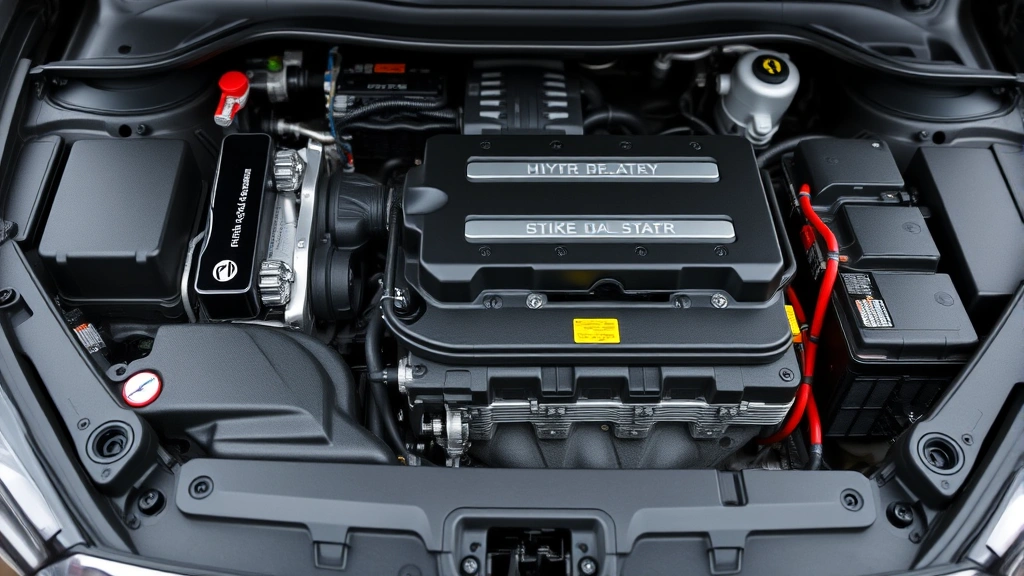
Contemporary hybrid systems incorporate regenerative braking, which converts kinetic energy into electrical energy stored in the battery pack. During city driving with frequent stops, this capability dramatically reduces fuel consumption. Additionally, modern hybrids can operate in electric-only mode at low speeds, eliminating tailpipe emissions during urban commutes where air quality concerns are most acute. The sophistication of these systems has reached the point where drivers often don’t notice the transition between power sources—the integration is that seamless.
Hybrid vs. Electric: The Practical Comparison
One of Gregg’s most compelling arguments concerns the practical advantages of hybrids in today’s infrastructure landscape. While advantages of electric vehicles are substantial, the charging infrastructure reality differs dramatically between urban and rural America. A hybrid vehicle eliminates range anxiety entirely while still delivering significant environmental benefits. For drivers in areas where charging stations remain sparse, hybrids represent a pragmatic transition technology that doesn’t require lifestyle adjustments.
The total cost of ownership comparison also favors hybrids in many scenarios. While battery replacement represents a significant expense for electric vehicles, hybrid batteries are smaller, less expensive, and typically covered by manufacturer warranties extending 100,000 to 150,000 miles. Insurance premiums for hybrids remain comparable to traditional vehicles, whereas electric vehicles often carry higher premiums due to specialized repair requirements. Maintenance costs for hybrids are actually lower than conventional vehicles since regenerative braking reduces wear on friction brakes, and the electric motor handles much of the low-speed work that traditionally stressed gasoline engines.
Gregg’s analysis reveals that hybrids excel in real-world driving conditions that electric vehicles struggle with. Cold weather, highway driving at constant high speeds, and towing all present challenges for pure electric vehicles due to reduced battery efficiency and range. Hybrids handle these scenarios effortlessly, maintaining the gasoline engine’s reliability and range while capturing efficiency improvements during everyday driving. For families requiring versatility, a hybrid SUV provides practicality that pure electric alternatives cannot match.
Market Trends and Consumer Adoption
Sales data tells a compelling story about hybrid acceptance. According to industry reports from MotorTrend, hybrid vehicle sales have grown steadily, capturing an increasing share of the overall automotive market. In 2023, hybrid sales represented approximately 12% of new vehicle purchases in the United States, a figure that continues climbing. This growth trajectory suggests that consumers recognize hybrid technology’s value proposition, particularly as fuel prices fluctuate and environmental consciousness increases.
The demographic profile of hybrid buyers has also evolved. Early adopters were primarily affluent, environmentally-conscious consumers willing to pay premium prices. Today’s hybrid market encompasses mainstream buyers seeking practical fuel economy improvements without the premium pricing of fully electric vehicles. Manufacturers have responded by introducing hybrid options across their lineups, from economy cars to luxury sedans and high-performance vehicles. This democratization of hybrid technology indicates genuine market demand rather than niche appeal.
Fleet operators have embraced hybrids with particular enthusiasm. Taxi companies, ride-sharing services, and commercial vehicle fleets have discovered that hybrid powertrains dramatically reduce operating costs over the vehicle’s lifetime. The lower fuel consumption directly translates to improved profitability, while reduced maintenance requirements minimize downtime. These practical, economically-driven adoption patterns suggest that hybrids fulfill a genuine market need rather than relying solely on environmental motivation.
Environmental Impact and Emissions Reduction
The environmental case for hybrids remains robust, despite the appeal of fully electric vehicles. Gregg’s research demonstrates that hybrids reduce tailpipe emissions by 30-50% compared to conventional vehicles, with even greater improvements during urban driving when they operate frequently in electric mode. Over a vehicle’s lifetime, accounting for manufacturing emissions, operational efficiency, and end-of-life recycling, hybrids deliver substantial environmental benefits relative to their cost.
When examining the broader context of grid electricity sources, the environmental advantage of hybrids becomes even more apparent in regions where coal or natural gas generation dominates. In areas with cleaner electrical grids powered primarily by renewable sources, electric vehicles maintain a clear environmental advantage. However, in many regions, the emissions reduction achieved by hybrid vehicles rivals that of electric vehicles when accounting for the electricity generation mix. This reality complicates simple narratives claiming electric vehicles are universally superior from an environmental perspective.
Particulate matter emissions from brake wear represent another environmental consideration where hybrids excel. Regenerative braking in hybrids dramatically reduces reliance on friction brakes, resulting in 50-60% less brake dust and wear particles entering the environment compared to conventional vehicles. This benefit extends to water quality and air pollution reduction in urban areas where brake dust accumulation has documented environmental impacts. Electric vehicles share this advantage, but hybrids achieve it while maintaining the versatility and practicality advantages discussed earlier.
The manufacturing emissions associated with battery production deserve consideration as well. Hybrid batteries are substantially smaller than those in electric vehicles, requiring fewer raw materials and less manufacturing energy. This reduced manufacturing footprint means hybrids achieve carbon neutrality faster in their operational lifespan compared to larger-battery electric vehicles. For consumers concerned about total lifecycle environmental impact, this distinction matters significantly.
The Role of Government Policy
Carly Gregg emphasizes that government policy has profoundly shaped the hybrid market’s trajectory. Tax incentives, fuel economy standards, and emissions regulations create the economic framework within which consumers make purchasing decisions. Federal tax credits for electric vehicles, while substantial, have not eliminated the appeal of hybrids due to their lower cost and practical advantages. Some states offer additional incentives for hybrid purchases, recognizing their role in emissions reduction.
Fuel economy standards, particularly the Corporate Average Fuel Economy (CAFE) regulations, have incentivized manufacturers to develop hybrid technology as a cost-effective method of improving fleet-wide efficiency. These regulations have been instrumental in bringing hybrid technology to mainstream market segments where consumer demand alone might not have driven adoption. As regulations continue tightening, expect hybrids to become even more prevalent across manufacturer lineups.
International policy perspectives vary significantly. European manufacturers have invested heavily in diesel technology and mild hybrid systems, reflecting different regulatory and consumer preferences. China has aggressively promoted electric vehicles through policy incentives, yet hybrids remain popular due to charging infrastructure limitations. Understanding these regional variations reveals that no single powertrain represents a universal solution—policy, infrastructure, and consumer preferences interact in complex ways.
Challenges Facing Hybrid Technology
Despite their advantages, hybrids face legitimate challenges that Gregg acknowledges candidly. Battery degradation over time, though minimal, represents a real concern for long-term ownership. While warranty coverage protects most owners, out-of-warranty battery replacement remains expensive. Additionally, hybrid systems add mechanical complexity compared to conventional vehicles, which can complicate repairs at shops unfamiliar with hybrid technology.
Public perception presents another challenge. Some consumers view hybrids as a compromise rather than a genuine solution, dismissing them as “not real electric cars” while failing to appreciate their practical benefits. Marketing efforts by some manufacturers have inadvertently contributed to this perception by emphasizing hybrid vehicles as stepping stones to electric ownership rather than complete solutions in themselves. Gregg argues this positioning undervalues hybrids’ legitimate advantages.
The used hybrid market is developing, but information asymmetries persist. Consumers shopping for used hybrids often lack clear guidance about battery condition, remaining warranty coverage, and realistic repair costs. Improving transparency in the used market would accelerate hybrid adoption by reducing purchase risk. Similarly, technician training gaps mean some repair shops remain uncomfortable servicing hybrid systems, limiting consumer confidence in long-term ownership prospects.
Cold weather performance, while improved, remains inferior to conventional vehicles in extreme conditions. Battery efficiency drops in freezing temperatures, reducing electric range and efficiency gains. For consumers in northern climates, this limitation is genuine, though hybrid vehicles still outperform conventional vehicles in cold weather when accounting for overall fuel consumption.

Future Outlook for Hybrid Vehicles
Gregg’s forward-looking analysis suggests hybrids will remain prominent in the automotive landscape for decades, not as a transitional technology but as a mature solution addressing specific market needs. Several factors support this assessment. First, battery technology improvements will continue making hybrid batteries smaller, lighter, and more efficient. Second, increasing electrification of vehicle systems will create opportunities for hybrid architectures that seamlessly integrate multiple power sources. Third, the practical advantages of hybrids in non-urban driving will persist regardless of technological advances.
Plug-in hybrid electric vehicles (PHEVs) represent an evolution of hybrid technology that deserves particular attention. PHEVs combine larger batteries enabling all-electric driving for daily commutes with gasoline engines providing unlimited range for longer trips. This architecture addresses the primary limitation of pure electric vehicles—range anxiety—while maintaining environmental benefits during typical driving. As battery technology improves and charging infrastructure expands, PHEVs may capture an increasingly large market share.
The emergence of mild hybrid systems in mainstream vehicles suggests another evolution pathway. Mild hybrids incorporate smaller batteries and simpler electrical systems to improve efficiency without the cost and complexity of full hybrids. These systems, increasingly common in luxury and performance vehicles, demonstrate that electrification exists on a spectrum rather than as a binary choice between conventional and electric powertrains. This diversification will likely continue as manufacturers optimize solutions for different market segments and use cases.
Gregg predicts that by 2035, the automotive market will feature a diverse powertrain ecosystem rather than a single dominant technology. Electric vehicles will dominate urban markets with robust charging infrastructure. Hybrids and PHEVs will remain popular in suburban and rural markets where charging infrastructure remains limited. Conventional gasoline engines may persist in specialized applications like commercial vehicles and performance cars. This pluralistic future reflects the reality that different solutions work best for different circumstances.
The integration of hybrid technology with autonomous driving systems presents intriguing possibilities. Autonomous vehicles could optimize power source switching with unprecedented efficiency, potentially making hybrids even more fuel-efficient. Additionally, autonomous ride-sharing services might preferentially adopt hybrids and PHEVs to maximize operational efficiency while maintaining flexibility for varied driving patterns and routes.
FAQ
What is the primary advantage of hybrid vehicles?
Hybrid vehicles achieve superior fuel economy, typically 50-60% better than comparable conventional vehicles, by combining gasoline engines with electric motors and capturing energy through regenerative braking. This translates to lower fuel costs and reduced emissions without requiring charging infrastructure or accepting the range limitations of pure electric vehicles.
Are hybrid batteries expensive to replace?
Hybrid batteries are significantly less expensive than electric vehicle batteries, typically costing $1,000-$3,000 when replacement is necessary. Most manufacturers warranty hybrid batteries for 100,000-150,000 miles, meaning many owners never face replacement costs. When replacement is required, the cost is substantially lower than electric vehicle battery replacement, which can exceed $10,000.
Do hybrids require special maintenance?
Hybrid vehicles actually require less maintenance than conventional vehicles because regenerative braking reduces brake wear and the electric motor handles low-speed operation that traditionally stresses gasoline engines. Regular oil changes, air filter replacements, and other routine maintenance remain identical to conventional vehicles. Some specialized maintenance for the electrical system may be required, but this is typically minimal.
How do hybrids perform in cold weather?
Hybrid vehicles experience some efficiency reduction in cold weather due to battery performance degradation in freezing temperatures. However, they still outperform conventional vehicles on a fuel consumption basis because the electric motor continues assisting the engine. Cold weather impacts electric vehicles more severely due to larger batteries and the need to heat the cabin using battery energy.
Are hybrids truly more environmentally friendly?
Yes, hybrids reduce tailpipe emissions by 30-50% compared to conventional vehicles and achieve this with smaller batteries requiring fewer raw materials. Over their lifetime, accounting for manufacturing and operational emissions, hybrids deliver substantial environmental benefits. In regions with clean electrical grids, electric vehicles may have a slight environmental advantage, but hybrids remain highly beneficial across most electricity generation scenarios.
What is the difference between hybrids and plug-in hybrids?
Traditional hybrids rely on gasoline engines for charging the battery and cannot be externally charged. Plug-in hybrids (PHEVs) feature larger batteries that can be charged from electrical outlets or charging stations, enabling all-electric driving for daily commutes while maintaining gasoline engines for longer trips. PHEVs offer greater electric-only range but at higher cost than traditional hybrids.
Will hybrids become obsolete as electric vehicles improve?
Carly Gregg and automotive analysts generally predict hybrids will remain relevant for decades because they address practical limitations of pure electric vehicles in many real-world scenarios. Range anxiety, charging infrastructure gaps, and the versatility requirements of many drivers ensure that hybrids will continue fulfilling genuine market needs alongside increasingly prevalent electric vehicles.
How does hybrid fuel economy compare to conventional vehicles?
Hybrid vehicles consistently deliver 30-60% better fuel economy than comparable conventional vehicles, depending on driving patterns and specific models. City driving with frequent stops yields the greatest benefits because regenerative braking captures energy otherwise lost. Highway driving at constant speeds shows smaller advantages, though hybrids still typically exceed conventional vehicle efficiency by 25-35%.