Table of Contents
Introduction
Windshield wipers—they’re such a small part of your car, but wow, do they make a huge difference when you need them most. Picture this: you’re driving through a sudden downpour, and your wipers start streaking or chattering across the glass. Suddenly, you can barely see the road ahead. Frustrating? Absolutely. Dangerous? You bet. That’s exactly why keeping your wipers in top shape isn’t just about convenience—it’s about staying safe out there.
Here’s what most people don’t realize: those rubber blades take a beating every single day. Sun, rain, snow, extreme heat, freezing cold—your wipers face it all. And worn-out wipers? They’re basically useless when you need clear vision most. The scary part is how many drivers just ignore the streaking and squeaking until they’re caught in a storm with zero visibility. Don’t be that person. A quick wiper check and replacement can literally be the difference between a safe trip and a dangerous situation.
Now, car maintenance might not be your thing, and that’s totally okay. But here’s the good news—taking care of your windshield wipers goes hand in hand with other basic vehicle upkeep. Think of it this way: just like you wouldn’t skip oil changes or brake checks, keeping your wipers fresh is part of being a responsible car owner. If you’re new to all this automotive stuff, checking out some general car maintenance tips for beginners will give you confidence to tackle not just wipers, but other important vehicle care tasks too.
Speaking of staying on top of things—your car’s battery deserves the same attention as your wipers. After all, what good are perfect wipers if your car won’t start? Keeping tabs on battery health helps you avoid those dreaded dead battery moments (usually when you’re already running late, right?). Our guide on how to check car battery health makes it super easy to stay ahead of battery problems. And while you’re in maintenance mode, don’t forget about your engine bay—a clean engine not only looks great but actually helps your car run better. Our step-by-step guide on how to clean a car engine bay shows you exactly how to do it safely.
What You’ll Learn in This Guide
Ready to tackle windshield wiper replacement? Good news—it’s way easier than you think. We’re going to walk through everything step by step, so even if you’ve never done this before, you’ll feel confident by the end.
- How to Safely Remove Old Wipers: We’ll show you exactly how to get those old blades off without scratching your windshield or bending the wiper arms (trust me, that’s easier to mess up than you’d think).
- Installing New Windshield Wipers: Step-by-step installation that ensures your new wipers work perfectly and last as long as possible—no guesswork involved.
- Choosing the Right Replacement Blades: Size matters, and so does the type of wiper. We’ll help you figure out exactly what your car needs so you don’t end up with the wrong fit.
- Maintenance and Replacement Signs: Learn the telltale signs that scream “time for new wipers” and some simple tricks to keep your current ones working longer.
Look, I get it—car maintenance can feel overwhelming, especially if you’re not naturally handy. But replacing windshield wipers? This is one of those jobs that’s actually pretty satisfying once you know what you’re doing. We’re going to cover every single detail, from the tools you’ll need (spoiler: not many) to the little tricks that make the whole process smooth sailing. Plus, we’ll share some maintenance secrets that’ll help your new wipers last way longer than average.
Whether this is your first rodeo or you just want to brush up on the basics, this guide has something for you. Clear visibility isn’t just nice to have—it’s absolutely essential for safe driving. And the best part? You’re about to learn how to handle this yourself, which means no more waiting for appointments or paying markup at the shop.
So let’s dive in and get your windshield crystal clear again. With just a few minutes and some basic tools, you’ll have fresh wipers that actually work when you need them. Ready to see the road clearly? Let’s make it happen together.
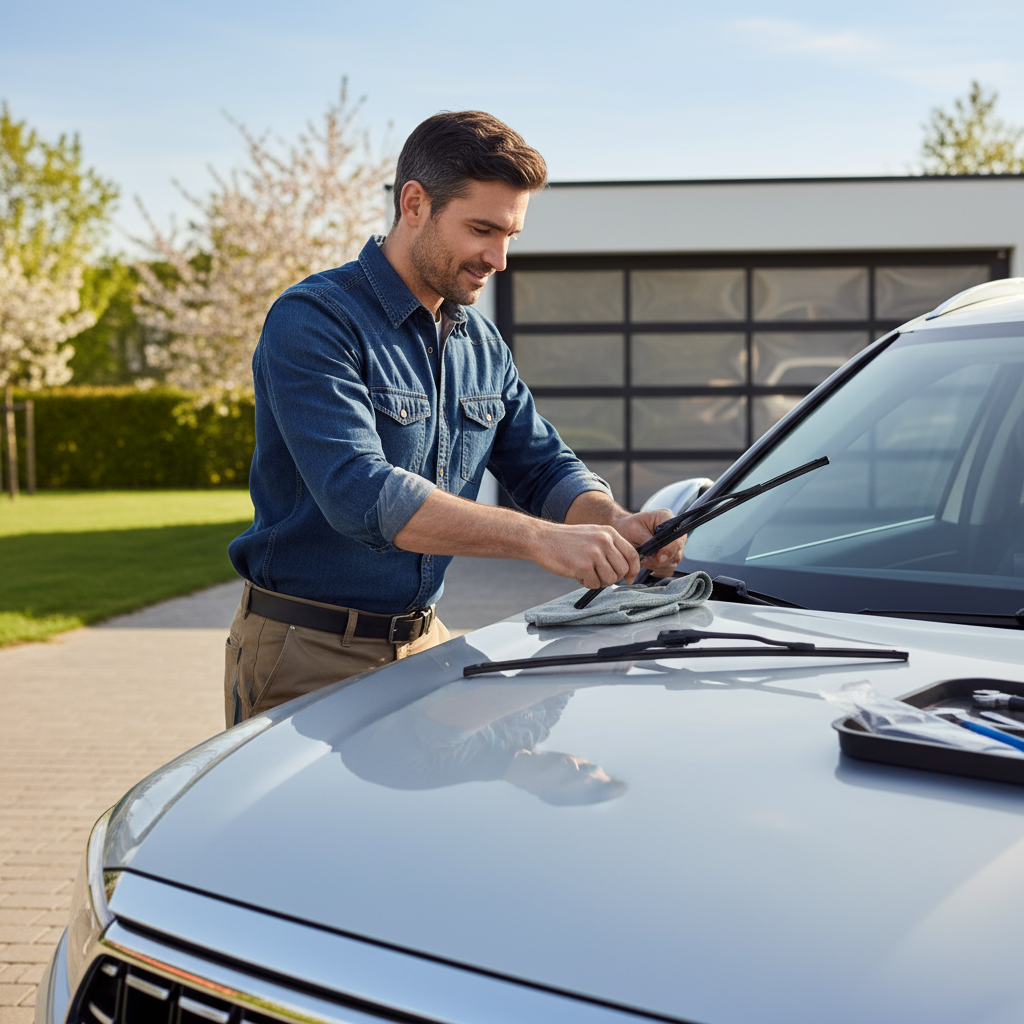
Here’s the thing about windshield wipers—they’re one of those car parts you never think about until you’re driving through a downpour and can’t see a thing. Learning to replace them yourself? It’s honestly one of the best skills you can pick up as a driver. Not only does it keep you safe when the weather turns nasty, but it also saves you from those annoying (and expensive) trips to the shop for something you can totally handle at home. Most people put off replacing their wipers way too long, which leads to that awful streaking and smearing that makes you squint through the windshield like you’re trying to solve a puzzle. We’re going to walk through everything you need to know—from getting those old blades off without scratching your windshield to picking the right replacements and keeping them in good shape. Trust me, once you’ve done this a few times, you’ll wonder why you ever paid someone else to do it.
How to Remove and Install Windshield Wipers Safely and Effectively
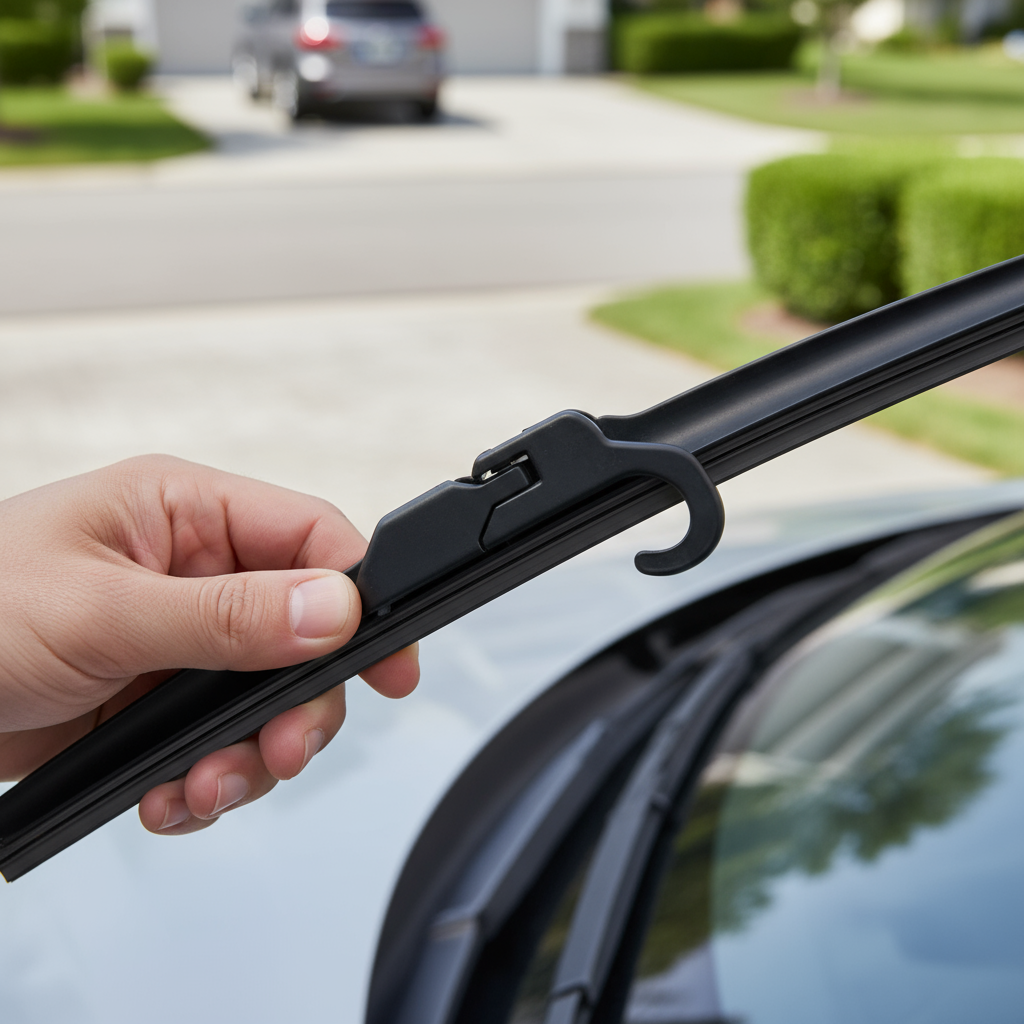
Let’s start with the removal process, because this is where most people either nail it or accidentally turn a simple job into a headache. The key here is treating those wiper arms like they’re made of glass—because one wrong move and you could end up with a cracked windshield. Most wiper blades have some kind of release mechanism (usually a clip, tab, or button), and once you figure out how yours works, the whole process becomes pretty straightforward. Think of it like learning to use a new phone case—once you know where to press, it’s easy. Speaking of handling car components carefully, if you’ve ever tackled replacing a car battery, you already know that gentle, deliberate movements are your best friend when working on your vehicle.
Now for the installation part—this is where patience pays off. You want to line everything up just right and listen for that satisfying click when the new blade locks into place. Different cars have different attachment styles, so don’t panic if your new wipers look slightly different from the old ones. The important thing is making sure they’re compatible with your specific vehicle. Once they’re on, give them a test run at different speeds. They should glide smoothly across your windshield without chattering, skipping, or making those fingernails-on-chalkboard noises. If you’re into DIY car maintenance, you might also want to check out how to check your car’s oil level—it’s another simple task that keeps your car running smoothly.
Key Aspects of Removing and Installing Windshield Wipers
Here are the main things to keep in mind so you don’t end up with any surprises:
- Handle Wiper Arms Carefully: Always lift the wiper arm away from the windshield like you’re handling something fragile. If it snaps back while you’re working, you could end up with a very expensive crack in your windshield—and trust me, that’s not a mistake you want to make.
- Locate the Release Mechanism: Take a minute to figure out whether your blades have a clip, tab, or button release. Don’t just start yanking on things—a little patience here saves you from breaking parts you didn’t mean to break.
- Align New Blades Correctly: The new blade needs to match up with the arm hook perfectly and sit snugly without any wiggling around. If it feels loose or doesn’t seem to fit right, double-check that you’ve got the right size and style for your car.
- Perform a Functional Test: Turn on your wipers and watch them work through a few cycles at different speeds. You want smooth, quiet operation—no skipping, no squeaking, no drama.
Getting comfortable with removal and installation sets you up perfectly for the next step: choosing the right replacement wipers and keeping them working well through all kinds of weather. Because let’s face it—there’s nothing worse than wipers that fail you right when you need them most.
Choosing and Maintaining the Right Windshield Wipers for Optimal Performance
Picking the right replacement wipers isn’t as simple as grabbing whatever’s cheapest at the auto parts store. Your car has specific size requirements, and depending on where you live and how you drive, certain blade types are going to work better for you than others. Standard blades work fine for most people, but if you deal with lots of snow and ice, beam blades might be worth the extra cost. Hybrid blades? They’re kind of the best-of-both-worlds option. It’s similar to how you’d approach other vehicle maintenance decisions—you want to consider your specific situation rather than going with a one-size-fits-all solution. If you’re new to car maintenance in general, checking out some basic car maintenance tips can help you think about how all these routine tasks fit together.
Here’s something most people don’t realize: how you treat your wipers between replacements makes a huge difference in how long they last. Simple things like cleaning them regularly and not running them on a dry windshield can literally double their lifespan. And knowing when to replace them—before they start streaking or making noise—protects your windshield from scratches and keeps you safe when visibility matters most. It’s all part of that proactive approach to car care that includes things like staying on top of oil changes and keeping an eye on your battery.
Key Considerations for Choosing and Maintaining Windshield Wipers
Focus on these points and your wipers will serve you well for much longer:
- Consult Your Vehicle’s Owner Manual for Size: I know, I know—nobody likes digging through the owner’s manual. But getting the wrong size is frustrating and wastes your time and money. Take two minutes to check the specs and save yourself the hassle.
- Select Blade Types Based on Weather Conditions: If you mostly deal with light rain, standard blades are fine. Live somewhere with harsh winters? Beam blades handle ice and snow much better. Can’t decide? Hybrid blades give you versatility for whatever weather throws at you.
- Clean Blades Regularly: Once a month, wipe down your wiper blades with a damp cloth. You’ll be amazed at how much dirt and grime builds up on them—and that buildup is what causes streaking and squeaking.
- Avoid Using Wipers on Dry Glass: This one’s huge. Running your wipers on a dry windshield is like dragging sandpaper across rubber. Use your windshield washer fluid first, or just wait until there’s enough moisture for the blades to glide smoothly.

Clear visibility while driving? It’s not just important—it’s everything. Your windshield wipers are the unsung heroes keeping you safe out there, and now you know exactly how to keep them in top shape. We’ve covered it all: removing those old, streaky blades, picking the right replacements for your specific vehicle, and installing them like a pro. Whether you’re dealing with standard frame wipers, sleek beam blades, or hybrid options, you’ve got the knowledge to make the right choice. And here’s a tip that’ll save you money: clean those blades regularly and resist the urge to use them on a dry windshield. Your wipers (and your wallet) will thank you. Those telltale signs of wear—streaking, skipping, that annoying chattering sound—they’re your early warning system. Pay attention to them.
The best part? This isn’t rocket science. With a little patience and the right approach, you can handle this yourself every time. Just remember to treat those wiper arms gently (your windshield will appreciate it), and always double-check that satisfying ‘click’ when everything locks into place. Take a moment to test your work—run those wipers through their paces and listen for any unusual sounds. Smooth, quiet operation means you nailed it. This kind of hands-on approach to car care doesn’t just keep you safer on the road; it builds real confidence in taking care of your vehicle.
Ready to level up your car maintenance game? You’ve mastered wipers—now let’s talk about expanding your skills. If you’re just getting started with DIY car care, our comprehensive car maintenance tips for beginners will give you the foundation you need for everyday upkeep. Your electrical system deserves attention too, and knowing how to check car battery health can save you from those frustrating dead battery moments. Want to keep things running smoothly under the hood? Our step-by-step guide on how to clean a car engine bay shows you how to maintain your car like the pros do.
Here’s what I love about tackling basic maintenance yourself: it changes everything. You’re not just saving money (though that’s definitely a nice bonus). You’re building real skills, gaining confidence, and taking control of your vehicle’s health. Every time you successfully replace those wipers, check your battery, or clean your engine bay, you’re investing in years of reliable driving. The key is staying consistent with your care routine—your car will reward you with dependable performance when you need it most. Want to keep building those skills? Our car maintenance tips for beginners guide is the perfect next step. Take pride in what you’ve learned today, and enjoy that crystal-clear view ahead.
Frequently Asked Questions
-
How often should I replace my windshield wipers?
- Most experts recommend replacing windshield wipers every 6 to 12 months depending on usage and weather conditions to ensure optimal visibility and safety.
-
Can I replace windshield wipers myself?
- Yes, replacing windshield wipers is a simple task that most vehicle owners can do without any professional help, especially when guided by a step-by-step approach.
-
What if my new wipers don’t fit?
- Check your vehicle’s owner manual or measure the old wipers to ensure you purchase replacement blades that fit your car’s specifications correctly.
-
Are all wiper blades the same?
- No, wiper blades come in different types, including standard frame, beam, and hybrid blades, each suited to various weather conditions and performance needs.
-
Can windshield wipers damage the windshield?
- Worn or damaged wiper blades can scratch your windshield glass, so timely replacement and proper maintenance help prevent damage and maintain clear vision.