Table of Contents
Introduction
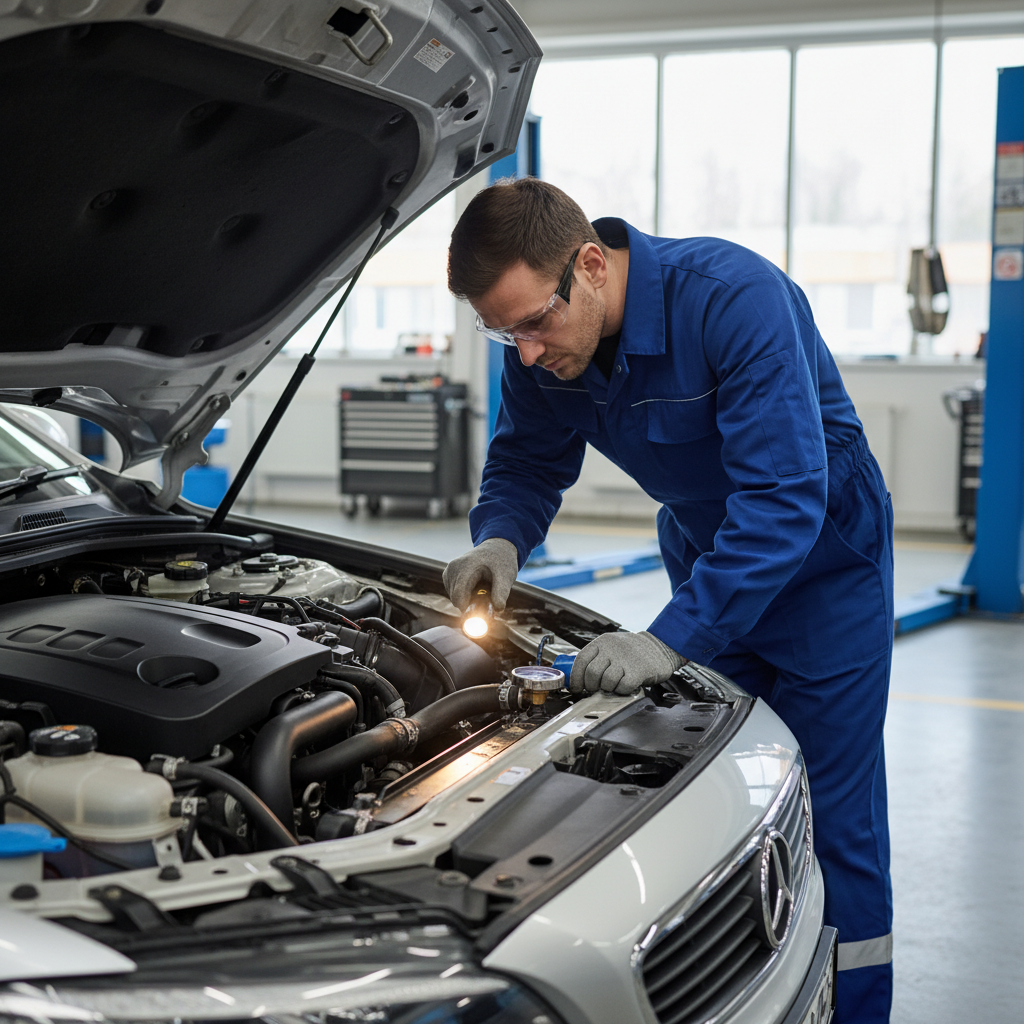
Your car’s acting weird again, isn’t it? Maybe the engine’s running hotter than usual, or your heater decided to blow cold air right when winter hit. Sound familiar? There’s a good chance your car’s thermostat is behind these annoying problems. And here’s the thing—fixing it yourself isn’t nearly as scary as it sounds.
Think of your car’s thermostat like a smart gatekeeper for your engine’s cooling system. It opens and closes to control coolant flow, keeping everything at just the right temperature. When this little device goes bad (and trust me, they all do eventually), you’ll start seeing engine overheating, weak cabin heat, and your fuel efficiency taking a nosedive. The worst part? Ignoring it can lead to serious engine damage that’ll cost you way more than a simple thermostat replacement. If you’re just starting out with car maintenance, checking out some basic car maintenance tips for beginners will give you the confidence to tackle repairs like this one.
Here’s what I love about learning to change your own thermostat: it’s one of those repairs that makes you feel like a real mechanic. Plus, you’ll save a chunk of money and actually understand what’s happening under your hood. Now, I won’t sugarcoat it—you’ll be working with hot coolant and some tricky engine parts, so safety comes first. But with the right approach and a bit of patience, even first-time DIYers can pull this off successfully. (And the satisfaction of fixing your own car? Totally worth it.)
Most people don’t realize their thermostat’s failing until things get really bad—like that moment when your temperature gauge hits the red zone on the highway. Not fun. That’s why it’s smart to understand related maintenance tasks, like how to check car coolant levels, which can help you catch problems early. While you’re building your car care skills, learning how to check car oil level will round out your knowledge and keep your vehicle running smoothly for years to come.
What You’ll Learn in This Guide
We’re going to walk through everything you need to replace your car thermostat safely and successfully. No confusing technical jargon—just clear, step-by-step instructions that actually make sense.
- Role of the Car Thermostat: Understand its function in regulating engine temperature and why a faulty thermostat can cause serious vehicle issues.
- Identifying Signs of Thermostat Failure: Learn the common symptoms, including overheating, erratic gauges, coolant leaks, and heater problems, to know when it’s time to act.
- Required Tools and Materials: Get a clear list of essential tools and replacement parts to prepare before starting the repair, emphasizing safety and efficiency.
- Step-by-Step Replacement Process: Follow detailed, easy-to-understand instructions for removing the old thermostat, installing a new one, and testing your work to ensure success.
Beyond just swapping out the part, you’ll pick up some valuable troubleshooting skills and learn how to avoid the mistakes that trip up most DIYers. Whether this is your first car repair or you’ve been tinkering under the hood for years, this guide has something for you.
We’ll also cover the practical stuff that other guides skip—like how to handle coolant without making a mess (or poisoning yourself), and how to dispose of the old coolant responsibly. Because let’s be honest, nobody wants to deal with an environmental hazard in their garage. If you’re getting into the DIY spirit, you might also want to check out how to replace a car battery for another confidence-building project.
The best part about mastering this repair? You’ll save money, gain confidence, and actually understand how your car works. That knowledge pays dividends when future problems pop up—and they will. Ready to dive in? Let’s get that thermostat replaced and keep your car running cool and efficient, no matter what the road throws at you.
Your car’s thermostat might be small, but when it goes bad? It can turn your daily drive into a nightmare. Think of it as your engine’s personal temperature coach—keeping things just right so everything runs smoothly. When that little guy starts acting up, you’ll know it. And trust me, you want to catch these problems early before they turn into expensive headaches.
Signs Your Car Thermostat Needs Changing
So how do you know when your thermostat is calling it quits? The signs are usually pretty obvious once you know what to look for. Overheating is the big red flag—literally. This happens when your thermostat gets stuck closed and decides to block all the coolant from doing its job. Your engine temperature shoots up, and you’re in trouble. On the flip side, a thermostat that’s stuck open creates its own problems. Your engine never gets warm enough, which means lousy fuel economy and higher emissions. Not exactly what you want.
Then there are the sneakier signs. Your temperature gauge starts acting like it can’t make up its mind, jumping around for no reason. You might spot coolant puddles under your car (never a good sign). And here’s one that really gets annoying in winter—your heater stops working properly. You’re sitting there shivering while your car blows cold air because the engine never gets hot enough. For more ways to keep your car happy, check out our car maintenance tips for beginners. They’ll help you stay ahead of problems like this.
Here’s something else worth mentioning: keep an eye on your coolant. Low or dirty coolant makes thermostat problems worse, and leaks often show up right around the thermostat housing. A clean engine bay makes everything easier to spot and work on. Want to stay on top of this? Our guide on how to check car coolant levels will show you exactly what to look for. And if you need to tidy things up under the hood, here’s how to clean a car engine bay the right way.
Key Aspects of Thermostat Failure to Watch For
Let’s break down what each of these warning signs actually means. Understanding the why behind these symptoms helps you make better decisions:
- Repeated Engine Overheating: This is your thermostat stuck in the closed position, acting like a stubborn gate that won’t open. No coolant flows, heat builds up, and before you know it, you’re looking at serious engine damage.
- Erratic or Fluctuating Temperature Gauge: Your thermostat is having an identity crisis—opening and closing randomly instead of doing its job properly. This messes with your engine’s ability to maintain the right temperature.
- Visible Coolant Leaks Around Thermostat Housing: Usually means the gasket has given up or the housing itself is damaged. Heat and time do this—it’s just wear and tear catching up with you.
- Heater Fails to Provide Warm Air: When your thermostat stays open, your engine never gets properly warmed up. Result? Cold air blowing in your face when you need heat most.
Catching these early means you avoid getting stranded somewhere inconvenient. Plus, your engine stays healthy and efficient no matter what Mother Nature throws at you.
Now that you know what to watch for, let’s talk about fixing the problem. Changing a thermostat isn’t rocket science, but it does require some patience and the right approach.
Step-by-Step Guide to Changing Your Car Thermostat
Replacing a car thermostat is one of those jobs that sounds scarier than it actually is. Sure, you need to pay attention and take your time, but most car owners can handle this with basic tools and a little patience. The key? Safety first. Always let your engine cool down completely—hot coolant will give you burns you won’t forget. You’ll drain the old coolant, find the thermostat housing (follow that upper radiator hose), and swap out the old parts for new ones. Clean everything properly, install the new thermostat with a fresh gasket, and refill the system. Don’t forget to bleed out any air bubbles—they’re troublemakers.
Since you’ll be working in the engine bay, it’s smart to know your way around other repairs too. Check out how to replace a car battery to get comfortable working near electrical components. And learning how to replace car brake pads gives you good practice with general repair techniques and tool safety.
Ready to dive in? Here’s exactly how to do it without making a mess or missing important steps:
Steps to Follow for Thermostat Replacement
Take it step by step, and you’ll get through this smoothly:
- Allow engine to cool completely: Seriously, don’t rush this part. Hot engines and hot coolant can cause nasty burns. Give it at least an hour after driving.
- Drain the coolant: Get a good drain pan ready and open that radiator drain valve carefully. You don’t want coolant all over your driveway (and your neighbors won’t appreciate it either).
- Locate and remove the thermostat housing: Follow the upper radiator hose back to the engine—that’s your target. The housing is usually held on with just a few bolts.
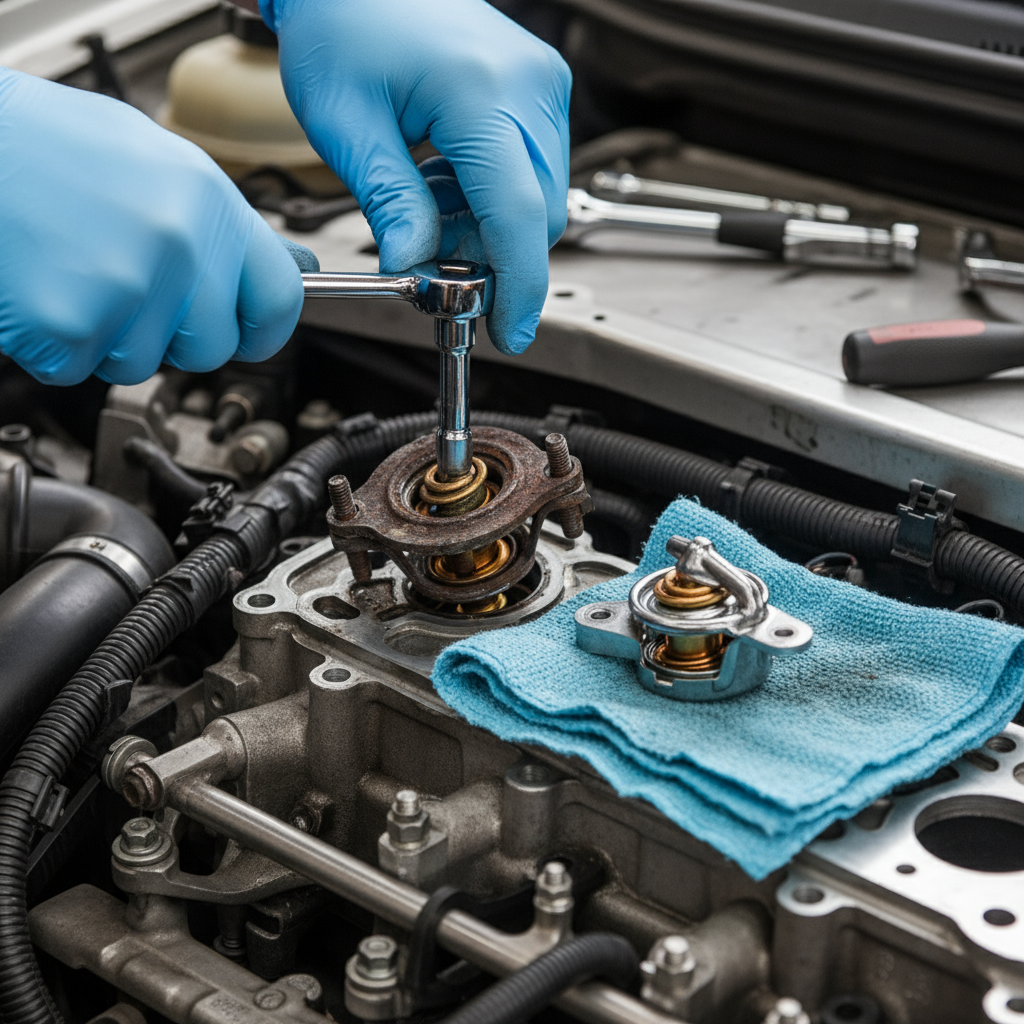
- Remove old thermostat and gasket: Take your time here. Look at how the old thermostat sits so you can install the new one the same way. Check the gasket area for any damage.
- Clean the housing and install the new thermostat with gasket: Scrape off all the old gasket material—every bit of it. Install your new thermostat in the right direction (there’s usually a spring side) and use that new gasket.
- Reattach the housing and refill coolant: Tighten those bolts to specification (don’t overdo it), then refill with the coolant mix your manual recommends.
- Start engine and check for leaks and proper temperature operation: Fire it up and watch that temperature gauge like a hawk. Also, keep an eye out for any leaks around your work area.
When you’re done, your cooling system should work like new again. No more overheating, no more lukewarm heater air. Plus, you’ll have that satisfying feeling that comes from fixing something yourself. Just remember—if anything feels over your head during the process, there’s no shame in calling a professional. Better safe than sorry when it comes to your engine.

Think of your car’s thermostat as the temperature control system for your engine—it keeps things running at just the right heat level. When it starts acting up, you’ll know. Your engine might overheat more often than it should, the temperature gauge will jump around like it can’t make up its mind, coolant might start leaking around the thermostat housing, and that heater inside your car? It’ll barely blow warm air. Catch these signs early, and you’ll save yourself a lot of headaches (and money) down the road.
Here’s the good news: replacing a thermostat isn’t rocket science. You can absolutely do this yourself. Grab a socket set, some wrenches, a new thermostat with its gasket, a drain pan, and fresh coolant. The process is pretty straightforward—let that engine cool down completely, drain the coolant, find and remove the thermostat housing, swap out the old thermostat and gasket for new ones, give everything a good cleaning, put it all back together, refill the coolant, and fire up the engine to make sure everything’s working properly.
Now, let’s talk safety for a minute. This isn’t the time to rush things. That engine needs to be stone cold before you start—hot coolant and engine parts will burn you faster than you can say “ouch.” Make sure you’ve got the right thermostat for your specific car (they’re not all the same), and handle everything with care. And please, don’t make these rookie mistakes: overtightening bolts (you’ll crack something), putting the thermostat in backwards (yes, there’s a right way), or forgetting to check that all your hoses and clamps are snug.
Want to keep building your car maintenance skills? You’re in the right place. Check out our comprehensive car maintenance tips for beginners to expand your knowledge even further. While you’re at it, learning how to replace a car battery is another great DIY skill that’ll come in handy. Don’t forget about keeping an eye on your fluids either—our guide on how to check car oil level will help you stay on top of that. And since we’re talking about protecting your investment, understanding insurance basics is something every car owner should know about.
There’s something pretty satisfying about fixing your own car. Not only does it save you money, but you’ll actually understand what’s going on under the hood. That said, don’t be a hero if things start going sideways. If you hit a snag or something doesn’t feel right, there’s no shame in calling a professional. Your cooling system keeps your engine from turning into an expensive paperweight—it’s worth getting right.
Frequently Asked Questions
-
How often should I change my car thermostat?
- Typically every 50,000 to 100,000 miles or as recommended by your vehicle manufacturer.
-
Can I drive my car with a bad thermostat?
- It’s not advisable as it can cause overheating and engine damage.
-
What happens if the thermostat is stuck open or closed?
- Stuck open causes engine to run cold; stuck closed causes overheating.
-
Is it difficult to replace a thermostat?
- With basic mechanical skills and tools, it’s a manageable DIY job.
-
Do I need to replace coolant when changing the thermostat?
- Yes, it’s best to replace or top off coolant after thermostat replacement.
Ready to take charge of your car’s health? Start with these skills, and you’ll drive with the confidence that comes from knowing you can handle whatever your car throws at you.