Table of Contents
Introduction
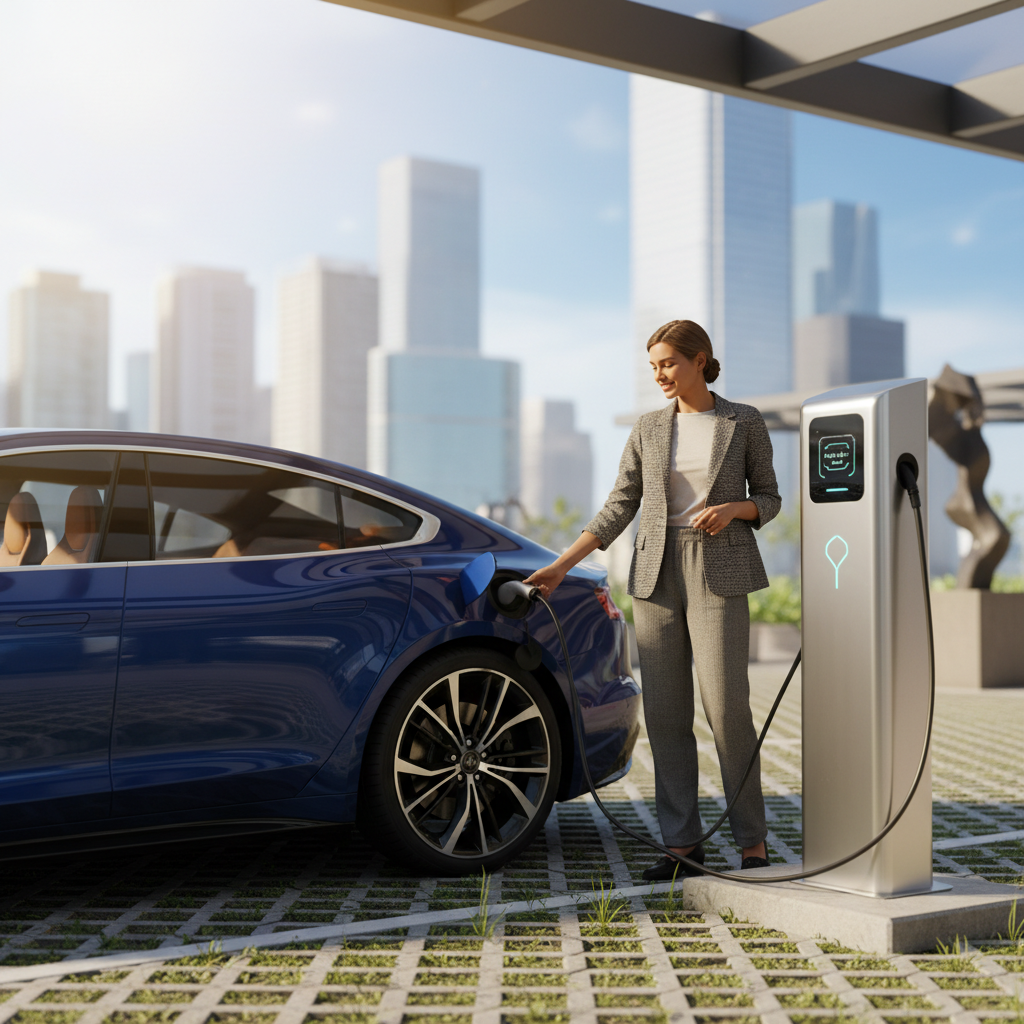
So you’ve joined the electric vehicle revolution—congratulations! But now you’re probably asking the same question every new EV owner faces: “Where the heck are all the charging stations?” It’s one thing to love the idea of clean, quiet driving, but it’s another to actually find a place to plug in when your battery’s running low. Whether you’re planning your daily commute or gearing up for a weekend road trip, knowing where to charge (and how to do it right) can make or break your EV experience.
Here’s the good news: the charging game has changed dramatically in just the past few years. We’re talking serious investment from both government and private companies, building charging networks everywhere from downtown cores to highway rest stops—even your workplace might have one now. Think of it like the early days of gas stations, except this transformation is happening at warp speed. But here’s the thing—not all charging stations are created equal, and figuring out which type you need, when you need it, can feel overwhelming at first. (Trust me, we’ve all been there.) By the way, if you’re still getting used to EV ownership, brushing up on basics like how to check car oil level might seem odd, but understanding vehicle maintenance fundamentals actually helps with EV care too.
Let’s talk charging types for a second. You’ve got your basic Level 1 chargers that plug into any regular outlet—super convenient but painfully slow. Then there are Level 2 chargers that’ll top you up while you’re at work or shopping. And the speed demons? Those are the DC Fast Chargers that can juice up your car faster than you can grab a coffee and use the restroom. Each has its place, and knowing when to use which one will save you time, money, and a whole lot of frustration. The trick is matching your charging strategy to your needs—kind of like how you’d plan your route differently if you were driving across town versus across the country. Speaking of planning ahead, tech integration is huge in modern vehicles, which is why guides like how to install a dash cam matter—they’re all part of making smarter driving decisions.
Now, let’s be real about something: owning an EV isn’t just about finding charging stations. It affects everything from your insurance to how you think about vehicle costs. Have you looked into insurance for electric vehicles yet? Because EV insurance can actually work in your favor—many companies offer discounts for electric vehicles, though there are some unique considerations you’ll want to know about. Plus, when you’re thinking about charging infrastructure, you’re really thinking about convenience, cost, and long-term planning. Where you charge affects what you pay, and that adds up over time.
What You’ll Learn in This Guide
Ready to become a charging station pro? Here’s exactly what we’re going to cover—no fluff, just the stuff you actually need to know:
- How to Locate Charging Stations: We’ll show you the best apps, websites, and tools that actually work in real life, plus how to find stations on the fly when your usual spots are busy.
- Understanding Charging Station Types: No more confusion about Level 1, Level 2, and DC Fast Charging—you’ll know exactly which one you need and when.
- Choosing the Right Station: From plug compatibility to payment options, we’ll help you avoid those “why won’t this work?” moments that every EV driver has experienced.
- Tips for Efficient and Safe Charging: Learn when to charge, how to keep your battery healthy, and what to do when things go wrong (because sometimes they do).
Throughout this guide, we’ll also connect the dots to other aspects of vehicle ownership. For instance, even though EVs need less traditional maintenance, understanding basic car maintenance tips for beginners still matters—EVs have their own maintenance needs, and knowing general vehicle care principles helps you stay on top of everything.
We’re going to start with the practical stuff—finding stations when you need them. I’ll walk you through the apps that actually work (and the ones that don’t), how to use Google Maps like a pro for EV charging, and what to do when you’re somewhere new and need juice fast. We’ll also cover the major charging networks, because understanding who owns what can save you membership fees and hassle down the road.
Then we’ll dig into the nitty-gritty of choosing stations. Does your car use CCS, CHAdeMO, or Tesla’s connector? How much should you expect to pay, and why do some stations cost way more than others? We’ll break it all down so you never get stuck at a station that doesn’t work with your car or costs more than you bargained for.
Finally, let’s talk about what happens when things don’t go according to plan. Station broken? Car won’t charge? Battery acting weird? We’ll cover troubleshooting basics and when to call for help. Because here’s the reality—EV charging is pretty reliable these days, but knowing how to handle the occasional hiccup will keep you confident and stress-free on the road.
The electric vehicle world is moving fast, and the charging infrastructure is racing to keep up. This guide will get you up to speed quickly so you can focus on enjoying your EV instead of worrying about where to plug in. And remember, understanding things like insurance for electric vehicles and basic car maintenance tips rounds out your EV knowledge—it’s all connected. Ready to master the art of EV charging? Let’s get started.
If you’re driving electric, you’ve probably experienced that little twinge of anxiety when your battery starts getting low. Where’s the nearest charging station? Will it actually work? Is it going to take forever? Trust me, we’ve all been there. The good news? Finding charging stations has gotten so much easier—and once you know what to look for, range anxiety becomes a thing of the past.
How to Find Car Charging Stations Near You
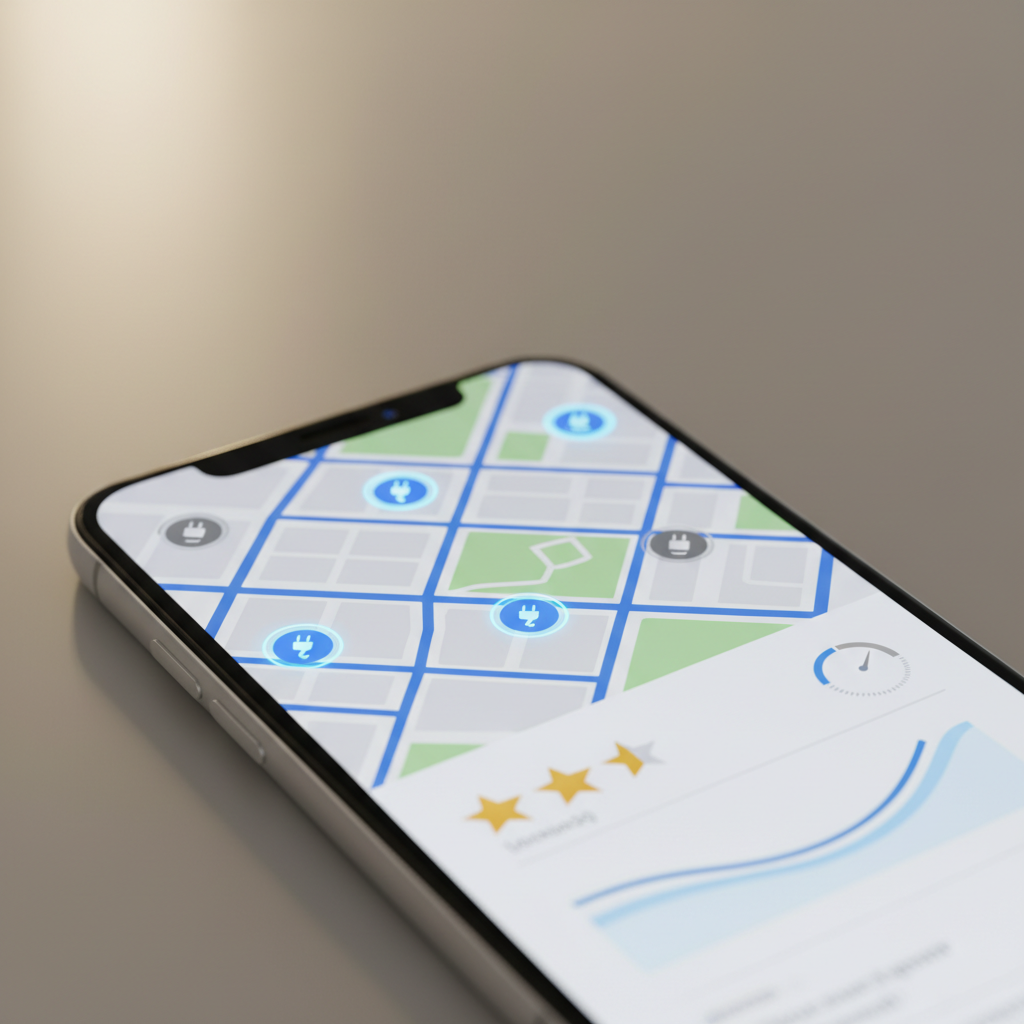
Here’s where things get exciting. Gone are the days of driving around hoping to stumble across a charger. Today’s apps and digital tools are game-changers—they’ll show you exactly where to go, whether stations are available, and even how much you’ll pay. But here’s the catch: not all apps are created equal. You want the ones with real-time updates, because there’s nothing worse than pulling up to a “available” charger that’s actually broken or occupied.
Google Maps has jumped on the EV bandwagon too, which is pretty handy since you’re probably already using it. You can filter by charging speed, plug type, and network—basically everything you need to make smart decisions on the fly. Planning a road trip? Get familiar with the major charging networks beforehand. And while you’re thinking about long-term EV ownership, understanding basics of car battery health will help you make better charging choices that keep your battery happy for years to come.
Apps and Websites for Charging Station Location
The best charging apps pack some seriously useful features:
- Comprehensive Station Maps: Interactive maps showing all nearby stations with details on connectors, availability, and user reviews.
- Real-Time Availability Updates: Notifications about charger status to avoid arriving at busy or out-of-service stations.
- Route Planning Integration: Tools to incorporate charging stops seamlessly into your trip itinerary, optimizing for time and convenience.
- Compatibility Filtering: Ensuring the selected station matches your vehicle’s plug type and charging standards for smooth, hassle-free charging.
These features take the guesswork out of charging. Plus, more hotels are getting smart about attracting EV travelers—check out this guide to hotels with electric car charging stations if you’re planning any overnight trips. It’s amazing how much easier travel becomes when you can charge while you sleep.
Now that you know how to find chargers, let’s talk about what you’ll actually encounter out there—because not all charging stations are the same.
Types of Car Charging Stations and How to Choose Wisely
Think of EV charging like coffee—you’ve got your slow drip, your regular brew, and your espresso shot. Level 1, Level 2, and DC Fast Charging each serve different purposes, and knowing which one you need can save you time, money, and frustration. Your choice depends on how much time you have, where you’re going, and what your car can handle.
But speed isn’t everything. Sometimes the “slower” option is actually smarter—cheaper, easier on your battery, or just more convenient for your schedule. The key is matching the charger to your situation, not just grabbing the fastest one available.
Key Aspects of Charging Station Types
Here’s what you need to know about each type:
- Level 1 Charging: This is the simplest form using a standard household 120-volt outlet. It provides slow charging suitable for overnight or emergency top-ups, ideal for drivers with short daily commutes.
- Level 2 Charging: Offering faster charging via dedicated 240-volt chargers, these stations are common in public areas and home installations. They balance speed and convenience for daily and frequent charging needs.
- DC Fast Charging: These high-speed chargers provide rapid battery top-ups, making them essential for long-distance travel and quick stops. Their integration into travel routes greatly enhances EV usability.
- Compatibility and Standards: It’s essential to ensure the charging plugs correspond with your EV model’s connectors to prevent any incompatibility issues that can disrupt your trip.
Remember, the “best” charger isn’t always the fastest one—it’s the one that fits your needs and budget. Speaking of budget, if you’re thinking about EV ownership costs beyond just charging, this guide to insurance insights for electric vehicles covers some important financial considerations that many new EV owners overlook.
So here’s the deal with EV charging—once you know how to find and use charging stations, your electric driving experience becomes so much smoother. We’ve walked through all the practical ways to locate stations nearby, from those handy apps to Google Maps (which, honestly, has gotten really good at showing real-time availability). And now you know the difference between Level 1, Level 2, and DC Fast Chargers. Trust me, understanding when to use each type will save you time and keep you from sitting around longer than necessary.
Remember those key factors we talked about? Accessibility, compatibility with your specific vehicle, costs, and payment options—these aren’t just nice-to-knows. They’re game-changers when you’re choosing where to plug in. We also covered some smart charging habits, like planning your stops ahead (because nobody likes surprises on a road trip) and taking care of your battery health. Your EV’s battery will thank you for it later. And let’s be real—stuff happens. Stations malfunction, charging doesn’t go as planned. But now you’ve got practical strategies for handling those curveballs, including when it’s time to call for help.
Bottom line? You’re ready to tackle range anxiety head-on and make the most of the growing charging network. Going electric isn’t just about the car itself—it’s about getting smart with how you charge and care for your vehicle. When you nail this part, everything else falls into place.
Ready to put this knowledge to work? Start with our car maintenance tips for beginners—because keeping your EV (or any car) in great shape is half the battle. Next, learn how to check car battery health. This one’s huge for EV owners who want to squeeze every mile out of their battery and avoid those “uh oh” moments. And here’s something that might surprise you—EV ownership ties into your overall financial health too. Check out our guide on how to build an emergency fund because unexpected car expenses (charging-related or otherwise) are much easier to handle when you’re prepared.
Managing your EV’s charging needs takes a little prep work, but it’s totally worth it. As you start using these strategies and resources regularly, you’ll find your groove. The whole experience becomes second nature. Keep exploring these resources, stay curious about new EV tech, and enjoy the ride. Because when you’ve got your charging game down? You get all the benefits—clean, quiet driving and the confidence that you’re always ready for whatever’s next.
Frequently Asked Questions
-
How do I find the nearest car charging station?
- Use dedicated apps, websites, and map services like Google Maps that show nearby EV chargers including real-time availability and compatibility filters.
-
What types of charging stations are available?
- The common types include Level 1 (slow charging via household outlet), Level 2 (faster public or home chargers), and DC Fast Charging (quick, high-speed charging for road trips).
-
Are car charging stations free to use?
- Some charging stations offer free service, but many require payment based on the energy used or charging duration. Pricing varies by location and provider.
-
What should I do if a charging station is not working?
- Report the problem to the station operator promptly, seek alternative stations nearby, or contact roadside assistance if necessary for help.
-
Can I charge any electric vehicle at any station?
- Charging station compatibility depends on the plug types and standards supported; always check if the station’s connectors match your vehicle’s requirements before use.