Table of Contents
Introduction
Picture this: you’re cruising down the highway on a blazing hot summer day when suddenly—steam starts pouring out from under your hood. Your engine temperature gauge is climbing fast. What’s the culprit? Nine times out of ten, it’s your water pump calling it quits.
Here’s the thing about water pumps—they’re one of those parts you never think about until they fail. And when they do? Well, let’s just say you’ll wish you’d paid attention sooner. Your water pump is basically your engine’s lifeline, constantly circulating coolant to keep everything from turning into an expensive pile of melted metal. When it stops working, your engine overheats. Fast.
Look, I get it. Car maintenance can feel overwhelming, especially if you’re not mechanically inclined. But checking your water pump isn’t rocket science—and it could save you thousands in repair bills. Trust me, replacing a water pump is way cheaper than replacing an entire engine. While you’re learning about this, you might want to brush up on checking your car’s coolant levels too, since these two go hand in hand. And if you’re new to all this car stuff, these car maintenance tips for beginners will give you a solid foundation.
The tricky thing about water pump problems? They start small. Maybe you notice a tiny puddle under your car. Or hear a slight grinding noise that wasn’t there before. Your engine runs just a touch hotter than usual. These aren’t dramatic failures—they’re whispers before the scream. But ignore them long enough, and you’ll be dealing with a full-blown breakdown. That’s why learning to spot these early warning signs matters so much. And hey, while you’re getting familiar with checking fluids, knowing how to check your oil level rounds out your basic car care knowledge perfectly.
Now, you might be wondering why I’m bringing up car buying in a water pump guide. Here’s the connection: whether you’re maintaining your current ride or shopping for your next one, understanding these basics helps you make smarter decisions. If you’re in the market for a vehicle, these car price negotiation tips can help you get a better deal—money you can then put toward proper maintenance. Because let’s face it, every car needs care, and knowing what to look for makes you a smarter buyer and owner.
What You’ll Learn in This Guide
Ready to become your own water pump detective? Here’s exactly what we’ll cover:
- Understanding the Basics: We’ll break down what your water pump actually does and why it’s so critical to your engine’s survival (spoiler: it’s more important than you think).
- Recognizing Failure Signs: Learn to spot the red flags—from mysterious puddles to weird noises—that signal your water pump is on its way out.
- Step-by-Step Checking: I’ll walk you through a simple inspection process that doesn’t require fancy tools or a mechanic’s degree, plus how to check related components like belts.
- Preventative Care: Discover the simple maintenance habits that keep your water pump happy and your wallet full (because prevention beats expensive repairs every time).
As we dive deeper, you’ll get practical, no-nonsense advice that actually works in the real world. We’ll talk about when to tackle something yourself and when to call in the pros. Before we get our hands dirty though, it’s worth reviewing those basic maintenance tips if you haven’t already—they’ll give you the confidence to approach this stuff without fear.
The bottom line? Understanding your water pump means fewer surprises, fewer breakdowns, and more money staying in your pocket where it belongs. You’ll drive with confidence knowing you can catch problems before they become disasters. Even when summer temperatures soar, you’ll stay cool—and so will your engine.
So let’s get started. We’re going to turn you into someone who knows their water pump inside and out, can spot trouble from a mile away, and knows exactly what to do about it. Your engine will thank you for it!
Your car’s water pump might not get much attention, but trust me—it’s working harder than you think. This little workhorse keeps coolant flowing through your engine and radiator, preventing your car from turning into an expensive paperweight. When it fails? You’re looking at overheating, potential engine damage, and repair bills that’ll make your wallet cry. The good news is that water pumps usually give you warning signs before they completely give up. Knowing what to look for (and how to check things yourself) can save you from getting stranded on the side of the road.
Signs of a Failing Water Pump
Here’s the thing about water pumps—they don’t just die overnight. They usually start dropping hints weeks or even months before they completely fail. And honestly? Your car is pretty good at telling you when something’s wrong if you know how to listen. The most obvious red flag is coolant leaking under your car. You’ll spot it as colorful puddles (usually green, orange, or pink) in your driveway or parking spot. Those leaks often mean the pump’s seals or gaskets are worn out, which is like having a slow puncture in a tire—it’s only going to get worse.
Then there are the sounds. Ever heard your car make weird grinding or whining noises that seem to come from the front of the engine? That’s often your water pump’s bearings giving up the ghost. And if your temperature gauge starts climbing into the red zone or you see steam puffing out from under the hood? Well, that’s your cooling system waving a white flag. Learning some basic car maintenance tips for beginners can help you catch these issues early—before they turn into major headaches. Plus, understanding how your coolant levels work gives you another tool in your automotive toolkit. The earlier you catch these problems, the less they’ll cost you.
Common Symptoms of Water Pump Failure
Want to know exactly what to watch for? Here are the big four warning signs:
- Visible Coolant Leaks: Look for puddles under your car or wet spots around the pump area. These leaks usually mean the internal seals are shot, which means coolant isn’t staying where it should be—and that spells trouble for your engine.
- Unusual Engine Noises: Grinding, whining, or squealing sounds from the engine bay often point to failing pump bearings. These noises tend to get worse over time, so don’t ignore them hoping they’ll go away.
- Engine Overheating: When your temperature gauge starts climbing or you see steam, it usually means coolant isn’t circulating properly. That’s the water pump’s main job, so overheating is a pretty clear sign something’s not right.
- Corrosion or Damage: Rust, cracks, or other visible damage on the pump housing can mess with its operation. This usually happens when coolant gets contaminated or maintenance gets skipped for too long.
Getting familiar with these symptoms is just the start. You might also want to check out our guide on checking your oil levels while you’re at it—keeping all your engine fluids in good shape works together to keep your car running smoothly.
Now that you know what to look for, let’s talk about actually checking the pump yourself. Don’t worry—it’s not as complicated as it sounds, and you don’t need a garage full of fancy tools to do it.
How to Check the Car Water Pump
Checking your water pump doesn’t require a mechanic’s degree, but it does need a systematic approach. Think of it like being a detective—you’re looking for clues that tell the story of what’s happening inside your engine. Before you start poking around, make sure your engine is completely cool. Hot coolant can seriously burn you, and hot metal parts aren’t fun to touch either. Plus, you’ll get a much clearer picture of any problems when everything’s at normal temperature.
While you’re thinking about maintenance, it’s worth brushing up on checking your battery health too. A good electrical system makes diagnosing problems much easier. And if you end up needing to do more extensive work, knowing how to replace a battery might come in handy during your overall maintenance routine.
Key Inspection and Testing Steps
Here’s your game plan for checking that water pump:
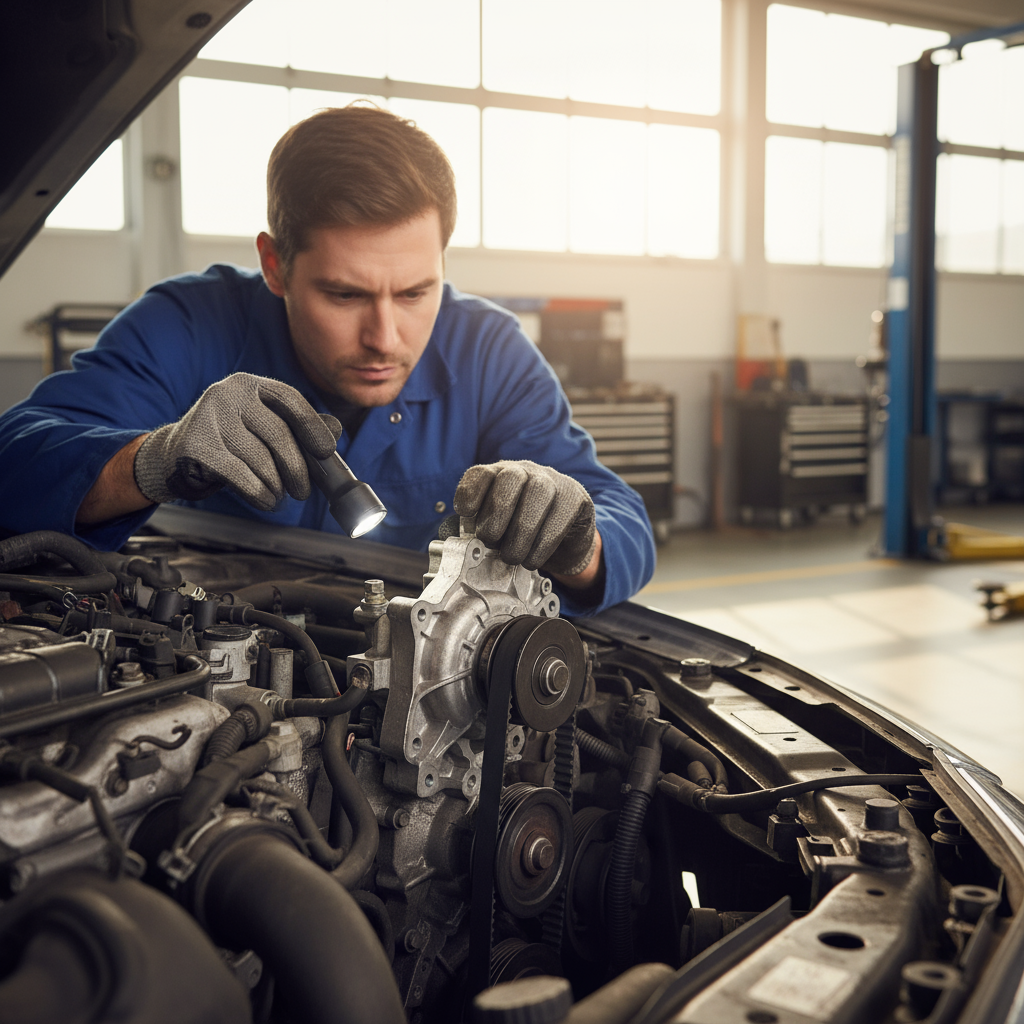
- Visual Inspection: Get down and dirty—literally. Look around the pump housing for any signs of coolant leaks, crusty residue, or obvious damage like cracks or heavy corrosion. Sometimes the evidence is right there waiting for you to notice it.
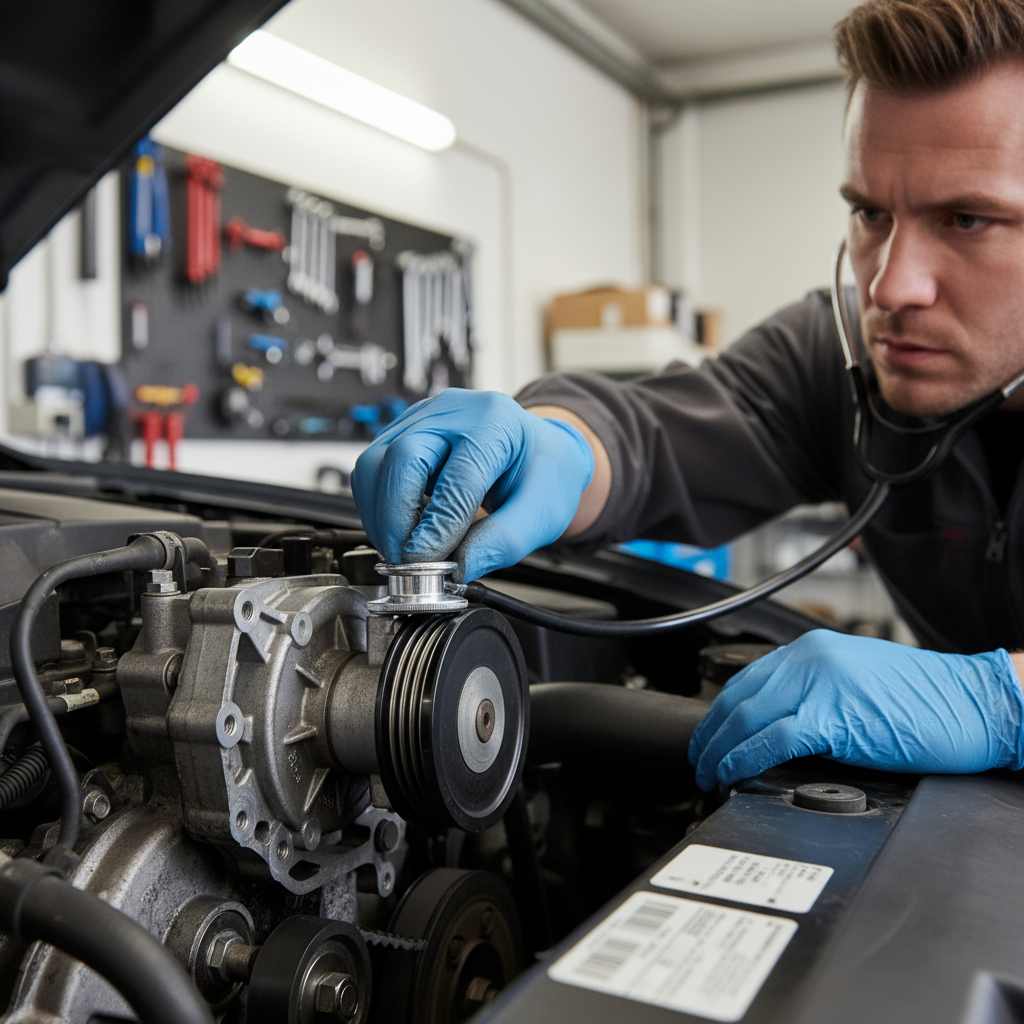
- Listen for Noises: Start the engine and put your ear to work. Listen carefully near the pump area for grinding, squealing, or whining sounds. Pro tip: a mechanic’s stethoscope (or even a long screwdriver held to your ear) can help you pinpoint exactly where sounds are coming from.
- Check Pump Movement: With the engine off, gently try to wiggle the pump pulley. It should feel solid—any excessive play or wobbling means the bearings are probably worn out. Also check that the drive belt has proper tension, because a loose belt can fake the symptoms of a bad pump.
- Monitor Coolant Circulation: Here’s where you need to be extra careful. Only when the engine is completely cold, remove the radiator cap and watch the coolant while the engine runs. You should see it moving around. If it’s just sitting there like a stagnant pond, your pump probably isn’t doing its job.
Following these steps gives you a pretty complete picture of what’s going on with your pump. It’s all part of becoming more confident with car maintenance—kind of like learning how to install seat covers or other hands-on automotive tasks. And while you’re expanding your maintenance skills, don’t forget about other important checks like monitoring your brake fluid—it all works together to keep you safe on the road.
Your car’s water pump is basically the heart of your cooling system—it keeps coolant flowing so your engine doesn’t turn into an expensive paperweight. The good news? Catching problems early isn’t rocket science. Those telltale signs like puddles under your car, weird grinding noises, or your temperature gauge creeping into the danger zone are your engine’s way of crying for help. Trust me, paying attention to these warnings now beats dealing with a completely fried engine later.
Here’s the thing about car maintenance: a little effort goes a long way. Think of it like brushing your teeth—skip it long enough, and you’ll pay for it eventually. Regular visual checks, listening for odd sounds, and giving that pump pulley a gentle wiggle can tell you everything you need to know about your water pump’s health. And when things start looking sketchy (persistent leaks, overheating that won’t quit), don’t be a hero. Call a mechanic. Your wallet will thank you.
Want to keep your car running like a champ? It’s all about being proactive instead of reactive. Regular coolant changes, belt inspections, and just paying attention to what your car is telling you—these simple habits can add years to your engine’s life. If you’re new to the whole car maintenance thing, don’t worry. Start with the basics by checking out these car maintenance tips for beginners. Once you’re comfortable with routine stuff, you can tackle bigger jobs like replacing a car battery or even cleaning your engine bay for that showroom look. And here’s a pro tip: when you’re shopping for a car or budgeting for repairs, brush up on tips for negotiating car prices so you’ve got more money left over for the maintenance that actually matters.
Look, staying on top of your water pump maintenance isn’t just about avoiding breakdowns (though that’s pretty nice too). It’s about building confidence with your car and knowing you can handle whatever the road throws at you. A healthy water pump means smoother drives, fewer surprises, and an engine that’ll stick around for the long haul. Ready to dive deeper into car care? Those car maintenance tips for beginners we mentioned earlier are a goldmine of practical advice that’ll have you feeling like a pro in no time.
Frequently Asked Questions
-
How often should I check my car’s water pump?
- It’s best to inspect the water pump during regular maintenance visits or anytime you notice symptoms like leaks or unusual noises to catch issues early.
-
Can I drive with a faulty water pump?
- Driving with a failing water pump risks engine overheating and serious damage; it’s advisable to get repairs promptly to avoid costly consequences.
-
What causes a water pump to fail?
- Common causes include worn bearings, seal leaks, corrosion, and contamination from old or improper coolant leading to pump damage.
-
How much does it cost to replace a car water pump?
- Replacement costs vary by vehicle make and model, generally ranging from moderate to high mainly due to labor and parts involved.
-
Can I replace the water pump myself?
- Experienced DIYers might replace the water pump, but it often requires special tools and mechanical knowledge, so professional help is recommended for most.