Table of Contents
Introduction
So you’re thinking about buying a car. New or used? That’s the million-dollar question (well, maybe not quite a million, but you get the idea). Picture this: you drive off the lot in a gorgeous, dependable ride that didn’t require you to sell a kidney. The secret? Going used. Smart shoppers know there’s real money to be saved here, plus benefits that most people don’t even think about.
Here’s why this matters right now. Used car sales are absolutely booming—and for good reason. While new car prices keep doing their roller-coaster thing, savvy buyers are discovering they can get incredible value by shopping pre-owned. Want to know something that’ll make your wallet smile? New cars lose 20-30% of their value the second you drive them home. Ouch. Used car buyers? They completely avoid that financial gut punch. And if you’re new to car ownership or just want to stretch your budget further, knowing basics like how to check car oil level and basic maintenance tips for beginners will set you up for success from day one.
But wait—there’s more to love about the used car world. The variety? Incredible. Ever fallen in love with a car model they don’t make anymore? Used lots are your friend. Want to actually negotiate on price? (Good luck with that at most new car dealers.) Used car sellers—whether dealers or private owners—are often ready to talk turkey. Plus, you can get creative with upgrades. Maybe you want a dash cam for safety? Check out this guide on how to install a dash cam and make it happen without breaking the bank.
Now let’s talk about the money you’ll save beyond that initial purchase. Insurance costs? Way lower on used vehicles. This isn’t pocket change we’re talking about—it’s real money that stays in your account month after month. Getting smart about insurance means understanding your options, and resources like auto insurance coverage and best auto insurance for new drivers can help you make the right call. Want to save even more? Hunt for affordable car insurance quotes or learn how to lower car insurance premiums. Your future self will thank you.
What You’ll Learn in This Guide
We’re going to walk through everything you need to know about buying used cars—no fluff, just the good stuff that’ll help you make a smart decision. Here’s what’s coming:
- Cost Benefits: Understand how used cars save you money with lower purchase prices, slower depreciation, and reduced insurance costs.
- Wide Selection and Options: Discover the expanded opportunities in the used car market, including discontinued models and better negotiating power.
- Smart Buying Tips: Learn essential advice on using vehicle history reports, getting professional inspections, and conducting effective test drives.
- Addressing Concerns: Explore common worries like warranties and vehicle history, and how to mitigate risks for a worry-free purchase.
By the time we’re done, you’ll feel confident walking into any used car situation. No more feeling overwhelmed or wondering if you’re making the right choice.
Ready to dive deeper? We’re going to break down each advantage with real, actionable advice you can use immediately. You’ll get the inside scoop on cost-saving strategies that actually work, plus a clear picture of just how many options are out there waiting for you. I’ll show you how to inspect a car like a pro and negotiate deals that’ll make your friends jealous. And those nagging worries about warranties and sketchy vehicle histories? We’ll tackle those head-on so you can buy with complete confidence.
Oh, and once you’ve found your perfect ride, you’ll want to keep it running smoothly. Learning things like how to replace a car battery or how to prevent rust on cars can help your investment last for years to come. Trust me, a little maintenance knowledge goes a long way in the used car world.
The bottom line? When you know what you’re doing, buying used isn’t just smart—it’s brilliant. You get more car for your money, avoid the worst depreciation hit, and still end up with reliable transportation that fits your lifestyle perfectly. So, ready to discover why your next car purchase should definitely be pre-owned?
Thinking about buying a used car? You’re definitely not alone. Millions of people choose pre-owned vehicles every year—and for good reason. It’s really about finding that sweet spot between what you want, what you need, and what you can actually afford. Let’s be honest: new cars are expensive, and not everyone wants (or needs) to deal with that financial hit. We’re going to explore two major reasons why used cars make so much sense: the money you’ll save and the incredible variety you’ll find when you start shopping.
Cost Benefits of Buying Used Cars
Here’s where used cars really shine—your wallet will thank you from day one. The sticker price alone is usually enough to make the decision easy. But it goes way deeper than that initial savings. When you buy used, you can often afford a much nicer car than you’d get new for the same money. Think about it: would you rather have a basic new car or a loaded used one with all the bells and whistles?
And here’s something most people don’t think about upfront—depreciation. New cars? They lose value fast. We’re talking thousands of dollars gone the moment you drive off the lot. With a used car, someone else already took that financial hit. Your car will still depreciate, sure, but at a much gentler pace.
Don’t forget about insurance costs either. Since your used car is worth less than a brand-new equivalent, you’ll typically pay less to insure it. Makes sense, right? But here’s a pro tip: take care of your investment. Simple things like keeping an eye on your oil levels can save you big money down the road. And while you’re at it, make sure you understand your insurance coverage options—the right policy can save you both money and headaches.
Key Aspects of Cost Benefits
Let’s break down exactly how your bank account benefits when you go the used car route:
- Lower Purchase Price: This one’s obvious, but it’s huge. Used cars cost way less than new ones because they’ve already been owned and driven. What’s not so obvious? You can use that price difference to your advantage. Maybe you can afford that luxury trim level you were dreaming about, or perhaps you can get a more reliable brand that was out of reach when shopping new.
- Reduced Depreciation: New cars lose about 20% of their value in the first year alone. By year three, they’ve typically lost 40-50% of what you paid. When you buy used, the previous owner absorbed that brutal initial drop. Your car will still lose value over time, but you won’t feel like you’re watching money evaporate.
- Lower Insurance Costs: Insurance companies base premiums partly on replacement costs. Lower car value usually means lower premiums. Want to save even more? Check out these proven strategies for reducing insurance costs—some of them might surprise you.
- Maintenance and Care Savvy: Staying ahead of maintenance isn’t just good car ownership—it’s smart money management. Learn basic checks like monitoring brake fluid or replacing a dead battery. These small efforts keep your car running smoothly and help you avoid those expensive surprise repairs.
When you add it all up, buying used isn’t just about saving money upfront—it’s about managing your total cost of ownership. And once you start looking at all these savings, you’ll realize there’s another huge advantage to shopping used: the selection is incredible.
Wide Selection and Variety in Used Cars
Walk onto a new car lot, and you’ll see this year’s models. Period. But step into the used car world? It’s like having access to decades of automotive history. You’ll find cars that aren’t made anymore, special editions that were limited releases, and models that have developed cult followings over the years. Looking for something specific? Chances are, it exists somewhere in the used market.
There’s another advantage that might not be obvious at first: flexibility. When you’re buying new, the price is pretty much the price. But used car sellers—whether they’re dealers or private owners—are usually more willing to negotiate. They want to make a deal, and that gives you room to work. You might be surprised what you can accomplish with a little research and some friendly conversation.
Key Aspects of Selection and Flexibility
Here’s what makes the used car market so appealing when it comes to choice and deal-making:
- Access to Discontinued Models: Ever fallen in love with a car that’s no longer made? The used market is your friend. Whether it’s a sports car that got the axe, a wagon that manufacturers abandoned, or just a design you prefer over the current generation, you can probably find it used. Sometimes the older version is exactly what you want.
- Wide Range of Prices and Years: Your budget determines your options when buying new. When buying used, you can choose your priorities. Want newer with higher mileage? Older with fewer miles? Luxury brand with some age on it? The combinations are nearly endless, and you can find the perfect balance for your situation.
- More Negotiation Flexibility: Most used car sellers expect some back-and-forth on price. They’ve usually built some wiggle room into their asking price, and they’re often willing to discuss terms, trade-ins, or financing. This isn’t just about getting a lower price—it’s about crafting a deal that works for your specific situation.
- Variety of Sellers: You’re not limited to traditional dealerships. Private sellers often offer the best prices, certified pre-owned programs provide extra peace of mind, and independent dealers might have unique inventory. Each type of seller has different advantages, so you can choose the buying experience that fits your comfort level and priorities.
Of course, with all this variety comes responsibility. Do your homework—get a vehicle history report, have the car inspected by a mechanic you trust, and don’t rush the decision. When you combine smart shopping with the incredible selection available in the used market, you’re likely to find a car that exceeds your expectations without breaking your budget.

Here’s the reality: buying a used car just makes financial sense. You’ll pay way less upfront compared to that shiny new vehicle on the lot, which means you can either pocket the difference or upgrade to a nicer model with features you actually want. But here’s the real kicker—someone else already took the depreciation hit for you. You know how a new car loses thousands the moment you drive it off the lot? Yeah, that’s already happened. Your used car will hold its value much better, giving you some actual stability in what you’ve invested.
And let’s talk insurance. Used cars cost less to insure—sometimes a lot less. Plus, you get access to cars that might not even exist anymore. Ever fallen in love with a discontinued model? The used market is where you’ll find it.
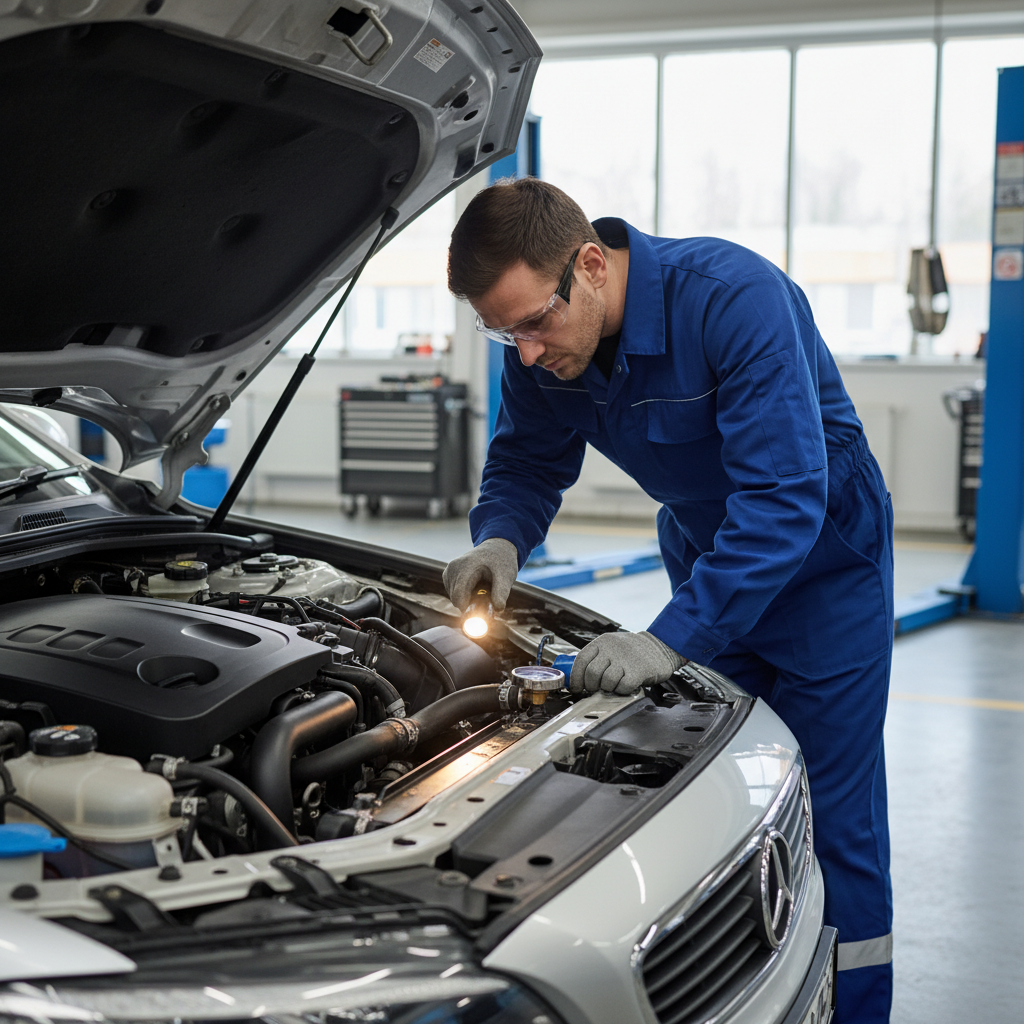
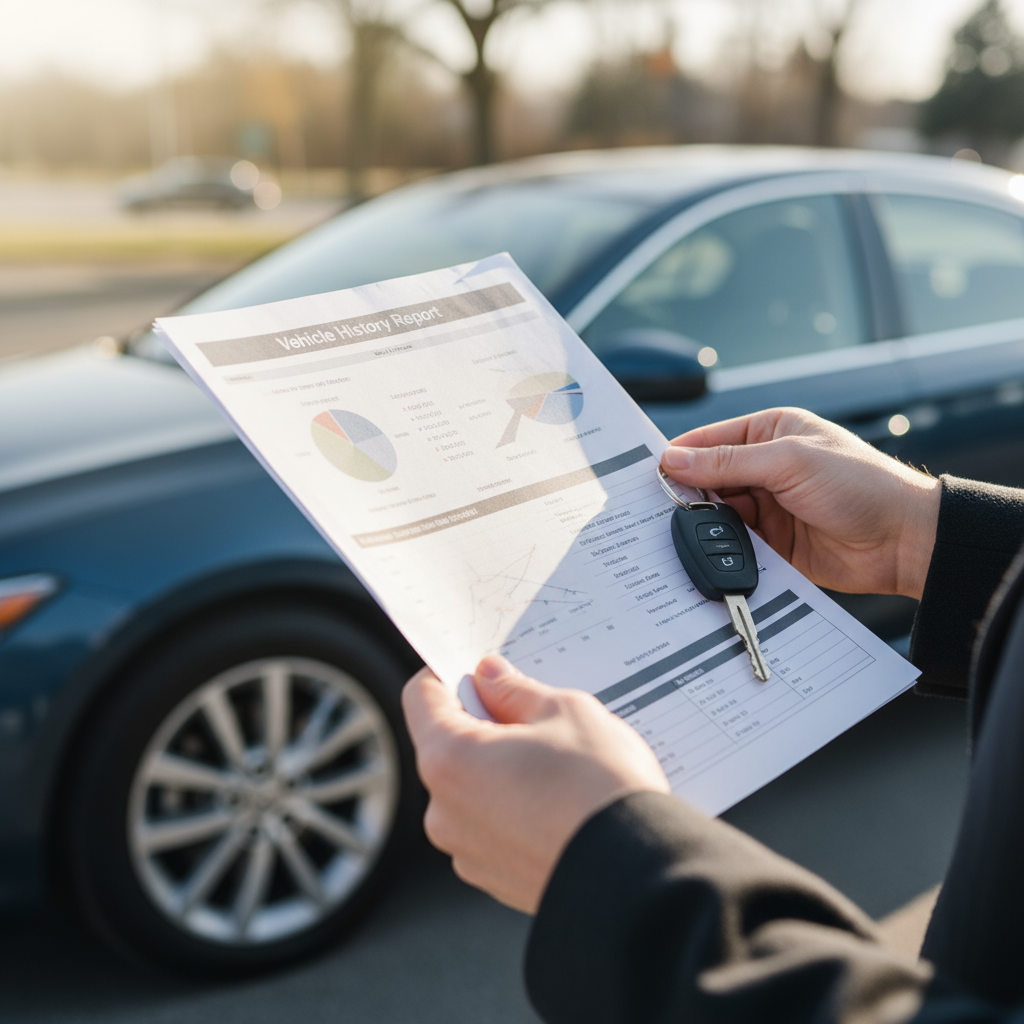
Now, being smart about this process? That’s where the magic happens. Don’t just kick the tires and call it good. Get yourself a vehicle history report—think of it as the car’s medical records. You’ll know if it’s been in accidents or had major issues. Then bring in a mechanic you trust for a professional inspection. I can’t stress this enough: take that test drive seriously. Not just around the block, but on highways, in parking lots, with the AC blasting. Feel how it handles, listen for weird noises, check if everything works.
Here’s something most people don’t realize: you have way more room to negotiate with used cars than new ones. Dealers have more flexibility, and private sellers? They often just want the car gone. Use that to your advantage. Remember though—the real cost isn’t just what you pay today. How well you maintain that car will determine whether you got a steal or a money pit.
Look, knowledge is power in this game. When you understand what to look for and how to approach the process, you’re not just another buyer hoping for the best. You’re making informed decisions that’ll serve you well for years to come. The right used car can give you reliable transportation without the financial stress that comes with new car payments.
Ready to put this knowledge into practice? Start by learning how to check car oil level to keep your engine healthy and running smoothly. Building on that foundation, explore our car maintenance tips for beginners to stay ahead of costly repairs and extend your vehicle’s life. When it’s time for component replacement, our step-by-step guide on replacing a car battery has you covered. Prevent common issues like rust by following our practical advice in how to prevent rust on cars. For enhanced safety and evidence on the roads, learn how to install a dash cam. While exploring these automotive essentials, consider your overall cost of ownership by reviewing affordable car insurance quotes to find the best policy for your used vehicle and budget. For broader financial planning, checking out resources on how to save money for a down payment can also be an insightful complement as you prepare for vehicle purchase and associated costs.
You’ve got this. Armed with the right information and a solid approach, you’re ready to find a used car that’ll serve you well without breaking the bank. Take your time with the research, learn the maintenance basics, and don’t be afraid to walk away if something doesn’t feel right. Keep learning and staying on top of maintenance with resources like our comprehensive maintenance tips. Trust yourself in this process—smart car ownership isn’t just about saving money today, it’s about making decisions that pay off for years to come.
Frequently Asked Questions
-
Is buying a used car cheaper than a new car?
- Yes, buying a used car generally means a lower upfront cost and slower depreciation, making it more affordable overall.
-
How can I check if a used car is in good condition?
- Obtain a vehicle history report, have a trusted mechanic perform a professional inspection, and take the car for a thorough test drive.
-
Are there warranties available for used cars?
- Yes, many used cars come with certified pre-owned warranties, and you can also purchase extended warranties for additional coverage.