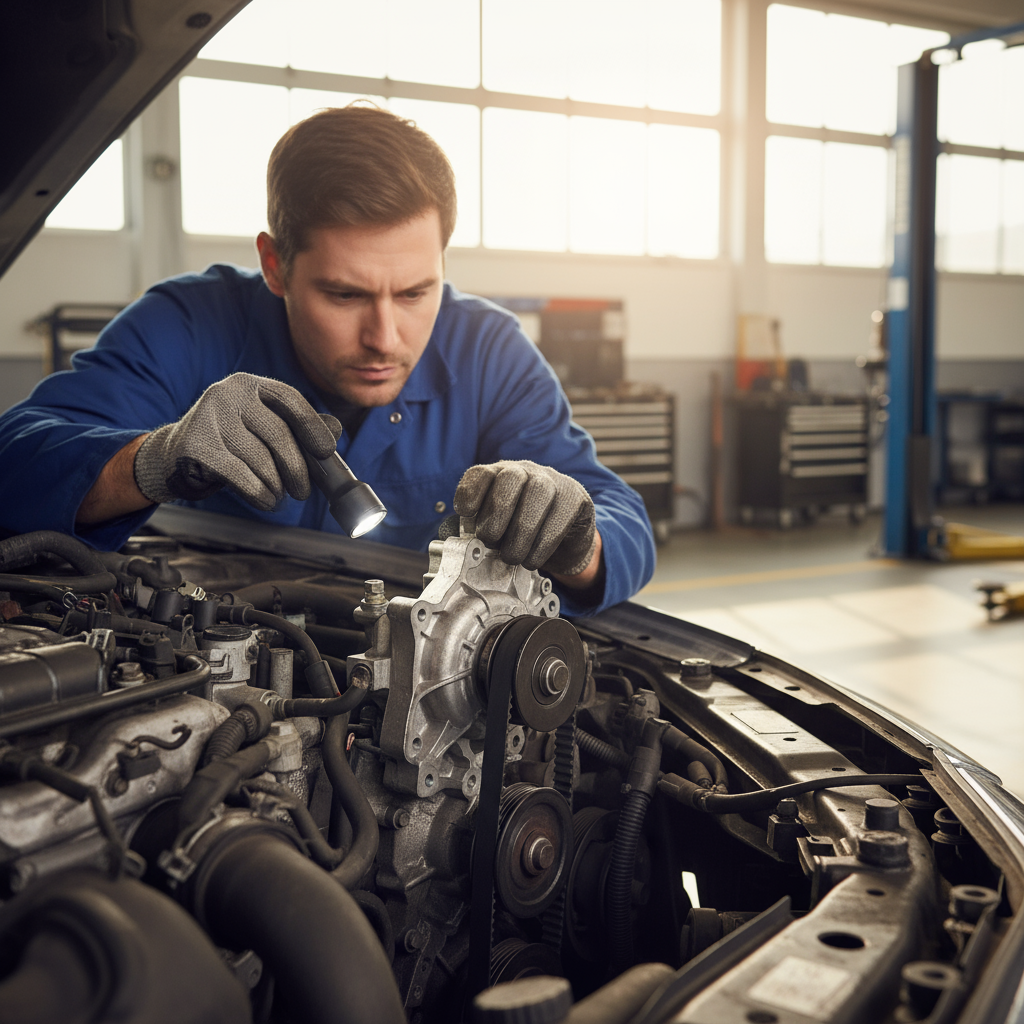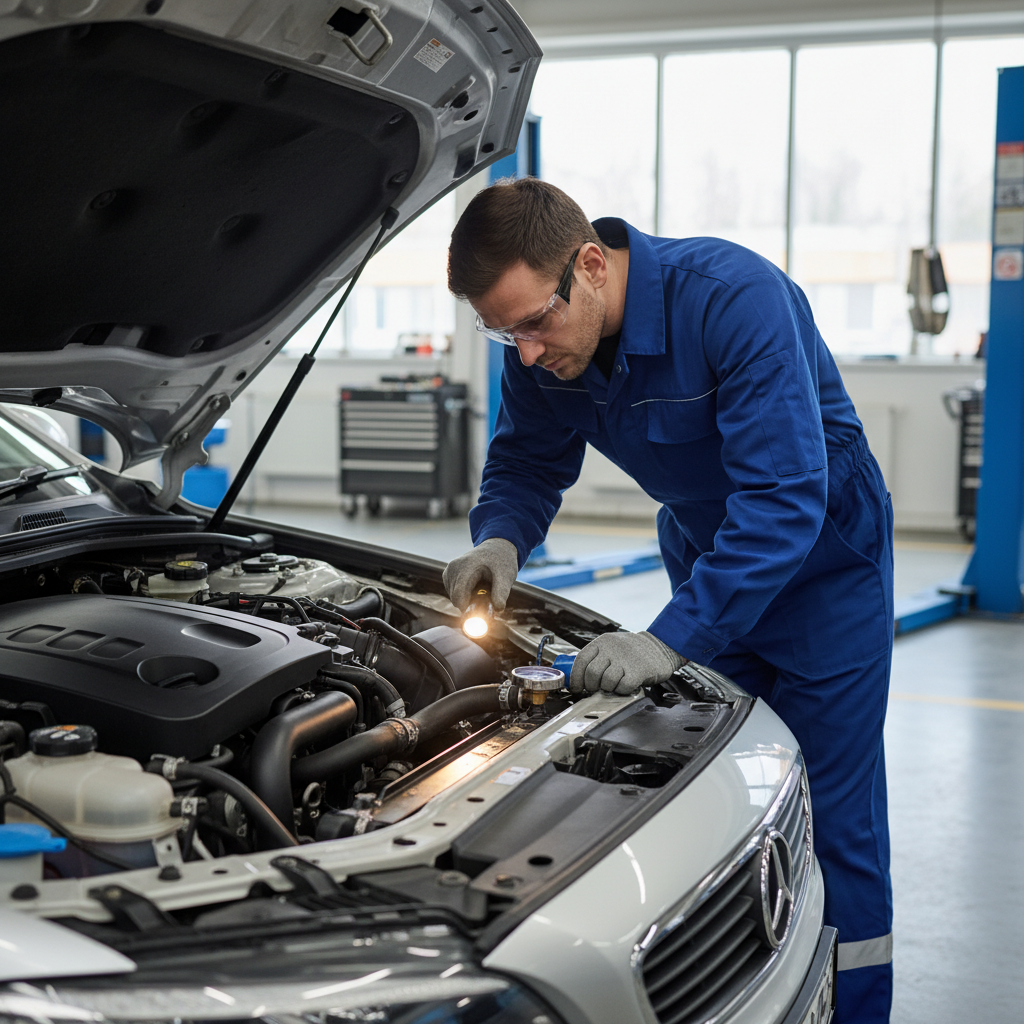
Table of Contents
Introduction
Picture this: you’re cruising down the highway when suddenly your temperature gauge starts climbing into the red zone. Your heart sinks as you realize your car is overheating, and you’re stuck on the side of the road with steam billowing from under the hood. Sound familiar? Here’s the thing—this nightmare scenario is almost always preventable with some basic cooling system know-how. Whether you’ve been driving for decades or just got your first car, understanding how to care for your cooling system is like having an insurance policy for your engine.
Your car’s cooling system is basically the unsung hero of your engine. While you’re focused on the road, it’s working overtime to keep everything at the perfect temperature. Too hot? Engine damage. Too cold? Poor performance and wasted fuel. Most of us don’t give it much thought until something goes wrong—and by then, you’re looking at a hefty repair bill. The good news? Learning how to check car coolant levels is easier than you might think, and it’s one of the best investments you can make in your car’s future. When your coolant is low or dirty, it’s like asking your engine to run a marathon in a winter coat—it’s just not going to end well.
Now, let’s talk about the supporting cast. Your cooling system isn’t just about coolant—there’s a whole team of components working together. Take your water pump, for instance. This little workhorse circulates coolant through your engine like your heart pumps blood through your body. When it starts failing, you’ll usually hear weird noises or spot leaks before things get critical. That’s why knowing how to check car water pump can save you from being stranded. Then there’s your thermostat—think of it as the system’s brain, deciding when coolant should flow based on temperature. When it gets stuck (and they do), your engine either runs too hot or too cold. Neither is good. If replacement time comes around, our guide on how to change car thermostat will walk you through it step by step.
Here’s something interesting—taking care of your cooling system actually ties into smart car buying decisions. When you know how to properly maintain a vehicle, you can budget for it wisely and even use that knowledge when shopping for your next car. Speaking of which, learning how to negotiate car prices effectively means you’ll have more money left over for the maintenance that really matters.
What You’ll Learn in This Guide
We’re going to break down everything you need to know about keeping your cooling system happy and healthy. No confusing technical jargon—just practical, actionable advice you can actually use.
- Understanding Cooling System Components: We’ll introduce you to the key players—radiator, thermostat, water pump, coolant, hoses, and fans—and explain how they work together to keep your engine at the perfect temperature.
- Routine Maintenance Checks: You’ll learn the simple inspection routine that takes just a few minutes but can save you thousands in repairs, including how to safely check coolant levels and spot potential problems early.
- Common Issues and Symptoms: We’ll teach you to recognize the warning signs before they become disasters—overheating, strange smells, mysterious puddles under your car, and those dashboard lights you hope you’ll never see.
- DIY Repairs and When to Seek Help: You’ll gain confidence tackling simple jobs like thermostat replacement while learning to recognize when it’s time to call in the pros for more complex issues.
Think of this as your roadmap to cooling system confidence. We’ll give you a practical maintenance plan that fits into your busy life and share the kind of insider tips that can prevent those “Oh no!” moments on the road.
Throughout this guide, we’ll reference proven techniques and expert insights to make sure you’re getting reliable, tested advice. By the time you’re done reading, you’ll not only understand why cooling system maintenance matters—you’ll actually know how to do it right.
Ready to become your car’s cooling system champion? Let’s dive in. Your engine (and your wallet) will thank you for it. Plus, there’s something pretty satisfying about popping the hood and actually knowing what you’re looking at. Trust me on this one.
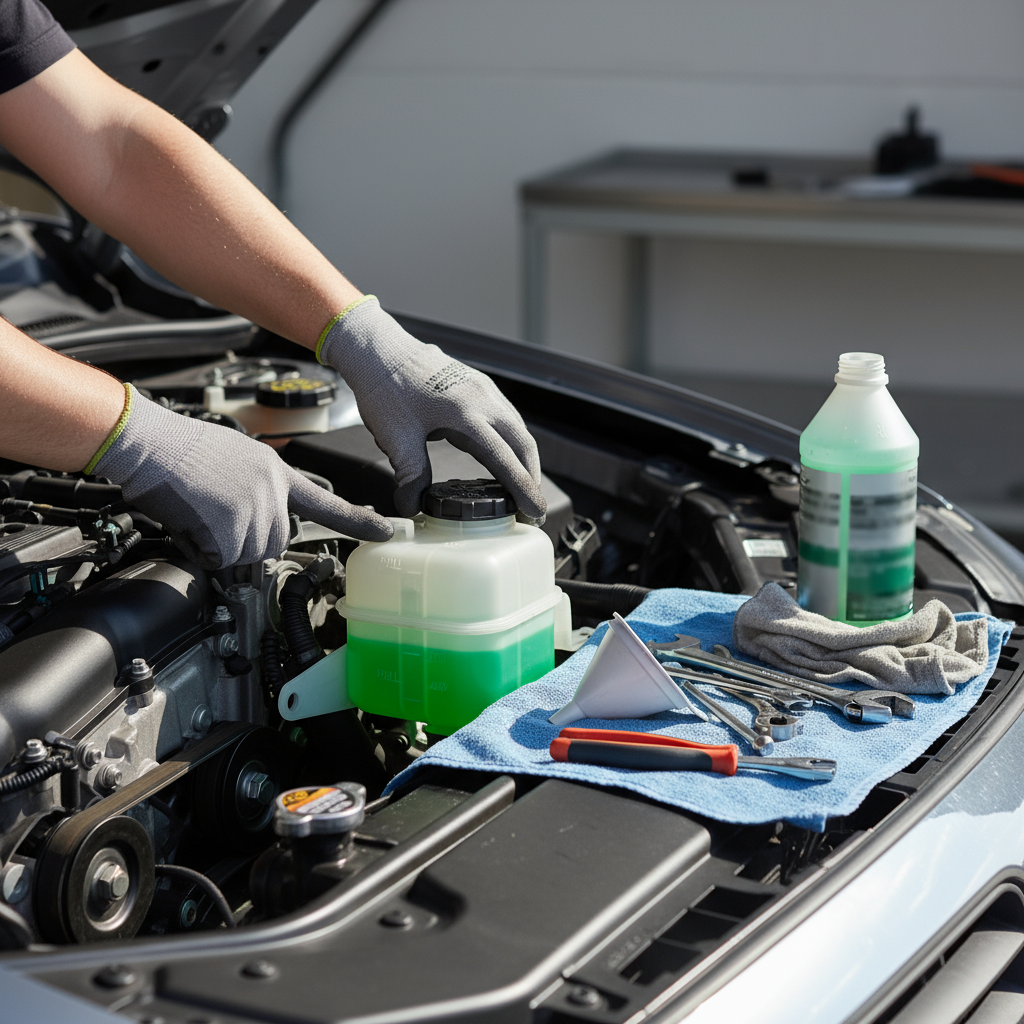
Your car’s cooling system? It’s working overtime every single day to keep your engine from turning into an expensive paperweight. Think about it—without proper cooling, that metal block under your hood would literally melt itself into oblivion. And trust me, nobody wants to deal with that repair bill. The good news is that catching cooling system problems early isn’t rocket science. You just need to know what to look for and when to take action.
Signs Your Cooling System Needs Maintenance
Here’s the thing about cooling systems—they’ll usually give you fair warning before they completely give up on you. Your engine depends on this system to stay cool under pressure (literally), so when something goes wrong, the signs are pretty hard to miss. We’re talking about strange temperature readings, mysterious puddles under your car, dashboard lights that won’t quit, and smells that definitely don’t belong. Checking your car’s water pump on a regular basis can help you catch issues like leaks or weird noises before they become major headaches. And speaking of routine checks, knowing how to check car coolant levels is one of those skills that’ll save you both time and money down the road.
When your car starts overheating, it’s basically screaming for help. You’ll see that temperature gauge climbing into the danger zone, or worse—steam billowing out from under the hood like you’re in some kind of action movie. Neither scenario is fun, and both require immediate attention unless you enjoy the idea of shopping for a new engine. Then there are those telltale puddles under your car. Coolant has this distinctive sweet smell (kind of like maple syrup, but don’t taste it—seriously, don’t), and if you’re seeing green, orange, or pink puddles where you park, that’s your cooling system leaking its lifeblood. Modern cars are pretty smart about warning you too. Those dashboard lights aren’t just there for decoration—they’re your car’s way of saying “Hey, pay attention to me before something expensive breaks.”
Symptoms to Watch For and Potential Risks
Let’s break down what you’re actually looking at when these symptoms show up. Each one tells a story, and understanding that story can save you from some serious automotive drama:
- Engine Overheating: When that temperature gauge starts climbing or you see steam, your engine’s cooling ability has taken a hit. Could be low coolant, a stuck thermostat, or a water pump that’s decided to retire without notice.
- Coolant Leaks: Those puddles under your car aren’t just unsightly—they’re evidence of hoses giving up, radiator problems, or a water pump with trust issues. Catch these early, and you’ll avoid the drama of total system failure.
- Unusual Smells: That sweet, syrupy smell we mentioned? It’s antifreeze making an unauthorized exit from your cooling system. When this smell sticks around, especially with other symptoms, your system needs attention—fast.
- Warning Lights and Dashboard Alerts: Your car’s computer is constantly monitoring temperatures and pressures. When those warning lights come on, it’s not being dramatic—it’s trying to prevent you from needing a tow truck.
Ignore these warning signs, and you’re basically playing automotive roulette. Engines that overheat for too long can warp, crack, or seize up completely. Gaskets fail, cylinders get damaged, and suddenly you’re looking at repair bills that might exceed your car’s actual value. Even if the damage isn’t catastrophic, running low on coolant kills your engine’s efficiency and performance. And let’s not forget the safety aspect—having your car overheat while you’re cruising down the highway isn’t exactly ideal.
Now that you know what to watch for, let’s talk about keeping your cooling system happy and healthy. Because prevention really is better than dealing with a breakdown on the side of the road.
How to Maintain Your Car Cooling System
Taking care of your cooling system doesn’t require a mechanical engineering degree. It’s more about developing good habits and knowing when to call in the pros. Regular checks of your coolant levels, hoses, and other components go a long way toward preventing those expensive “surprise” repairs. If you’re new to car maintenance, our car maintenance tips for beginners will get you started on the right foot. And once you get comfortable with the basics, learning how to monitor your coolant levels properly becomes second nature. Trust me—these simple checks can save you from roadside emergencies and keep your wallet happy.
One of the most important maintenance tasks is flushing your coolant system. Over time, coolant gets contaminated with rust, scale, and other nasty stuff that can clog up your system. Think of it like changing the oil in your engine—you wouldn’t run the same oil for 100,000 miles, right? Same principle applies here. When your coolant starts looking more like chocolate milk than the bright color it started as, it’s time for a change. Sometimes you’ll also need to replace your thermostat, and our guide on how to change car thermostat walks you through the process step by step. But don’t overlook professional inspections either. Some issues require specialized tools and experience to diagnose properly, and a good mechanic can spot problems you might miss.
Key Maintenance Steps for Optimal Cooling System Health
Here’s your game plan for keeping that cooling system running like a champ. Follow these steps, and you’ll avoid most of the common problems that leave people stranded:
- Routine Coolant Level Checks and Top-Ups: Check your coolant reservoir regularly—it takes about 30 seconds and could save you thousands. When levels drop, add the right type of coolant (check your owner’s manual) to keep everything flowing smoothly.
- Inspect and Replace Hoses and Belts: Look for cracks, bulges, or soft spots in your hoses, and listen for squealing from your belts. These components work hard, and replacing them before they fail beats dealing with a breakdown any day.
- Flush and Refill Coolant Periodically: Get rid of that old, contaminated coolant and replace it with fresh stuff. This keeps your system clean and efficient—think of it as giving your cooling system a fresh start.
- Schedule Professional Inspections and Repairs: Sometimes you need a pro to spot the subtle stuff. They can pressure test your system, check for internal leaks, and catch problems before they become expensive disasters.
Look, maintaining your cooling system isn’t glamorous work, but it’s one of those things that pays off big time. Keep up with these basic maintenance tasks, and you’ll avoid most of the horror stories you hear about engines overheating on summer road trips. Your car will run better, last longer, and give you fewer headaches. Plus, there’s something satisfying about knowing you’re taking good care of your ride. After all, it takes care of you every day—returning the favor just makes sense.
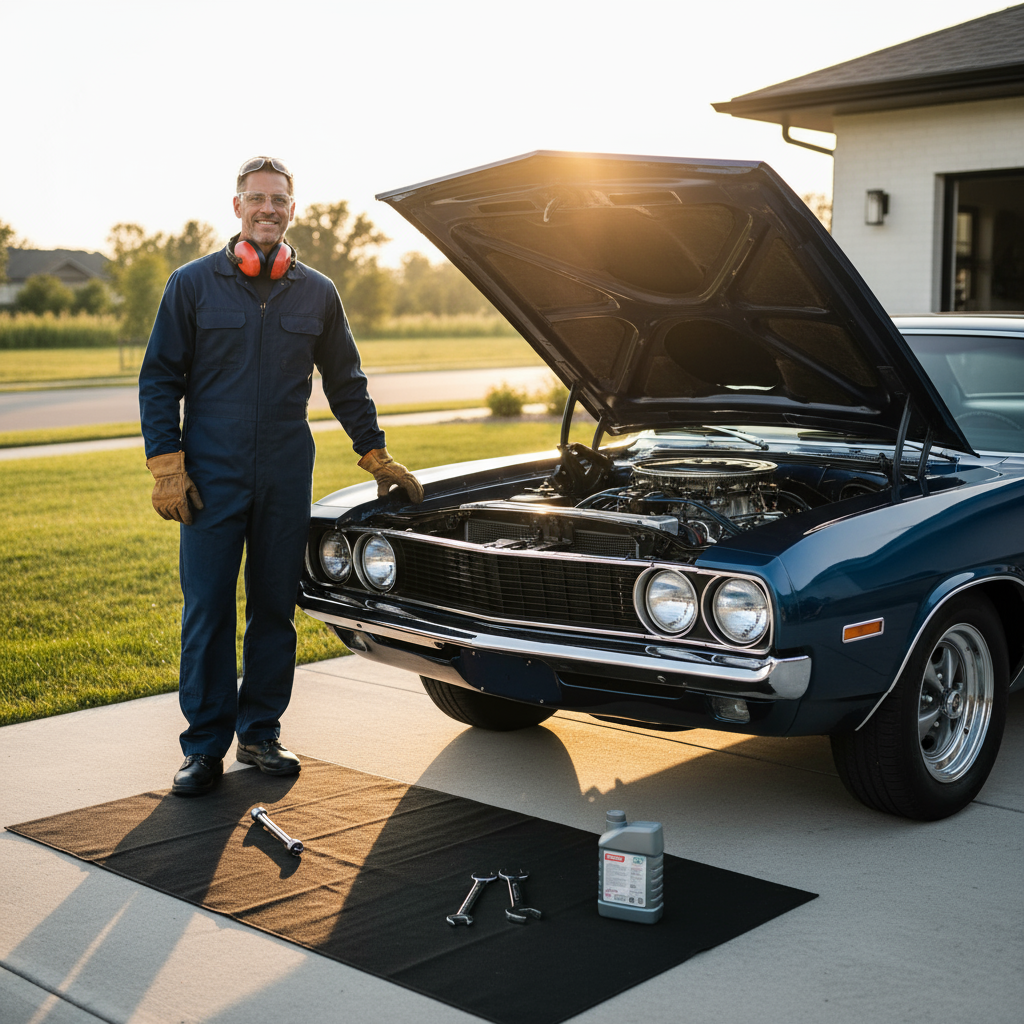
Here’s the bottom line: taking care of your car’s cooling system isn’t just smart—it’s essential. We’ve covered a lot of ground together, from understanding how your radiator works to spotting those early warning signs that something’s not right. Your engine depends on this system to stay cool, and when it fails? Well, let’s just say you don’t want to find out the hard way.
Think about it this way—your cooling system is like your car’s circulatory system. The radiator, thermostat, water pump, and coolant all work together to keep everything flowing smoothly. When you notice that temperature gauge creeping up, smell something funky, or spot a puddle under your car, your vehicle is basically waving a red flag. Ignore these signals, and you’re looking at serious engine damage, terrible gas mileage, and breakdowns that always seem to happen at the worst possible moment.
The good news? You can stay ahead of the game. Regular check-ups make all the difference—and I’m talking about simple stuff you can do yourself. Check your coolant levels, take a peek at those hoses, flush out old fluid when it gets grimy. (Trust me, it’s easier than it sounds.) Of course, some things are best left to the pros. If your car keeps overheating or that water pump starts making weird noises, don’t try to be a hero—get it checked out.
Now, here’s something most people don’t think about: smart money management goes hand-in-hand with good car care. Budget for maintenance instead of being caught off guard by emergency repairs. And when you’re shopping for your next ride, knowing how to negotiate can free up cash for the upkeep that actually matters. It’s all connected.
Ready to put this knowledge to work? Start with the basics. Learn how to check car coolant levels—it’s your first line of defense against overheating. Next, get familiar with your car water pump because this little workhorse keeps everything circulating. When your thermostat starts acting up (and eventually, it will), our guide on changing the car thermostat has got you covered. Don’t forget about keeping your engine bay clean—a tidy engine runs better and lasts longer. And if you want to stretch your maintenance budget, check out these tips on negotiating car prices effectively.
You’ve got this. With regular maintenance and smart financial planning, you’re setting yourself up for years of reliable driving. No more anxiety about sudden breakdowns or wallet-draining repairs. If you’re just getting started with car care, our car maintenance tips for beginners will build your confidence from the ground up. Every little thing you do today—checking that coolant, listening for strange sounds, staying on top of maintenance—pays off tomorrow with a car that actually gets you where you need to go.
Frequently Asked Questions
-
How often should I check my car’s coolant?
- At least once a month—make it part of your routine, especially before road trips. Nothing ruins a vacation like an overheated engine in the middle of nowhere.
-
Can I flush the cooling system myself?
- You can, and it’s not as scary as it sounds. Just follow safety guidelines and have the right tools. That said, if you’re not comfortable doing it yourself, a pro can handle it quickly and safely.
-
What causes my car to overheat?
- Usually it’s one of the usual suspects: low coolant, a stuck thermostat, radiator problems, or leaks somewhere in the system. The key is catching it early before things get expensive.
-
Is it safe to drive with a cooling system problem?
- Nope, don’t risk it. Pull over safely and get help. Continuing to drive with cooling issues is like playing Russian roulette with your engine—the house always wins, and you’ll pay for it.