Top Cars 2024? Insights by Carly Gregg
The automotive landscape in 2024 has delivered an unprecedented mix of innovation, performance, and practicality. From electric powerhouses to refined combustion engines, this year’s vehicle lineup showcases manufacturers pushing boundaries across every segment. Carly Gregg, a seasoned automotive analyst, has compiled comprehensive insights into which vehicles are defining the market and why they deserve your attention.
Whether you’re shopping for your next vehicle or simply curious about industry trends, understanding what makes 2024’s top cars exceptional requires diving into performance metrics, technology integration, sustainability features, and real-world value propositions. This guide explores the standout vehicles reshaping automotive expectations and the factors driving their success in an increasingly competitive marketplace.
Electric Revolution: Leading EV Contenders
The advantages of electric vehicles have become increasingly evident throughout 2024, with several models establishing themselves as category leaders. Tesla continues its dominance with refined Model 3 and Model Y iterations featuring improved battery efficiency and faster charging capabilities. The Model 3 delivers approximately 272-358 miles of range depending on configuration, while maintaining sub-6-second acceleration in performance variants.
BMW’s i5 sedan represents a significant leap in luxury electric mobility, combining 260-mile range with premium interior appointments and sophisticated driver assistance systems. Hyundai’s Ioniq 6 emerges as a compelling value proposition, offering 361-mile range at a significantly lower price point than competitors. The vehicle’s aerodynamic design achieves exceptional efficiency ratings, with EPA estimates reaching 133 MPGe combined.
Chevrolet’s Blazer EV and Equinox EV demonstrate that mainstream manufacturers can deliver compelling electric options. The Equinox EV particularly stands out, providing over 300 miles of range, fast-charging capability, and spacious interior packaging starting under $35,000. According to EPA fuel economy data, these vehicles represent the efficiency frontier for mass-market transportation.
Mercedes-Benz’s EQE sedan showcases how traditional luxury brands are transitioning to electric powertrains without sacrificing refinement. With 260-312 miles of range, sophisticated infotainment systems, and signature Mercedes build quality, the EQE appeals to buyers seeking premium electric experiences. The vehicle’s over-the-air update capability ensures continuous feature enhancements throughout ownership.
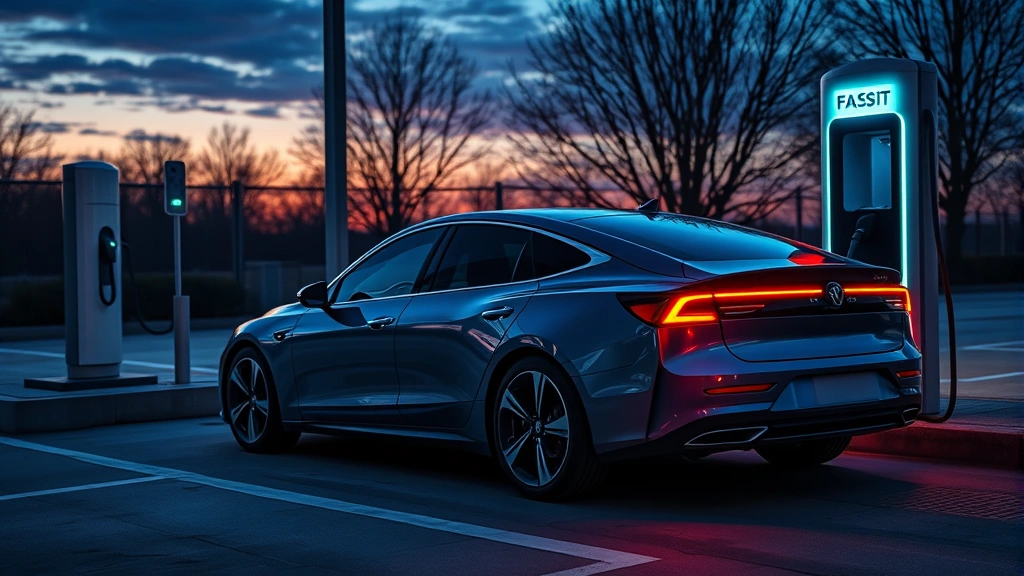
Charging infrastructure expansion has directly enabled EV adoption growth. Networks like Tesla Supercharger, Electrify America, and Evgo now provide comprehensive coverage across major corridors. Fast-charging technology now enables 200+ miles of range in under 20 minutes for many vehicles, addressing historical range anxiety concerns.
Premium Performance Sedans
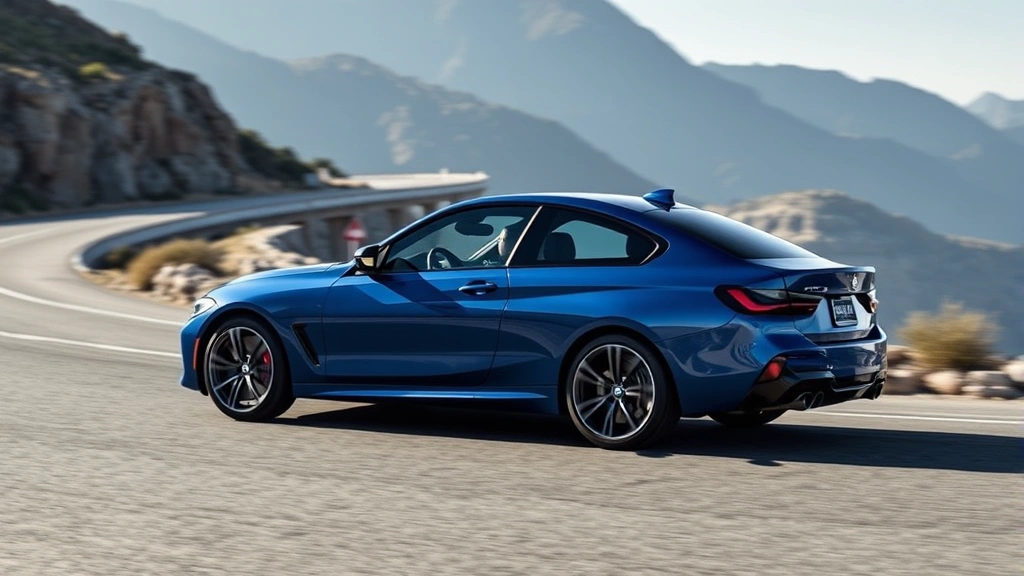
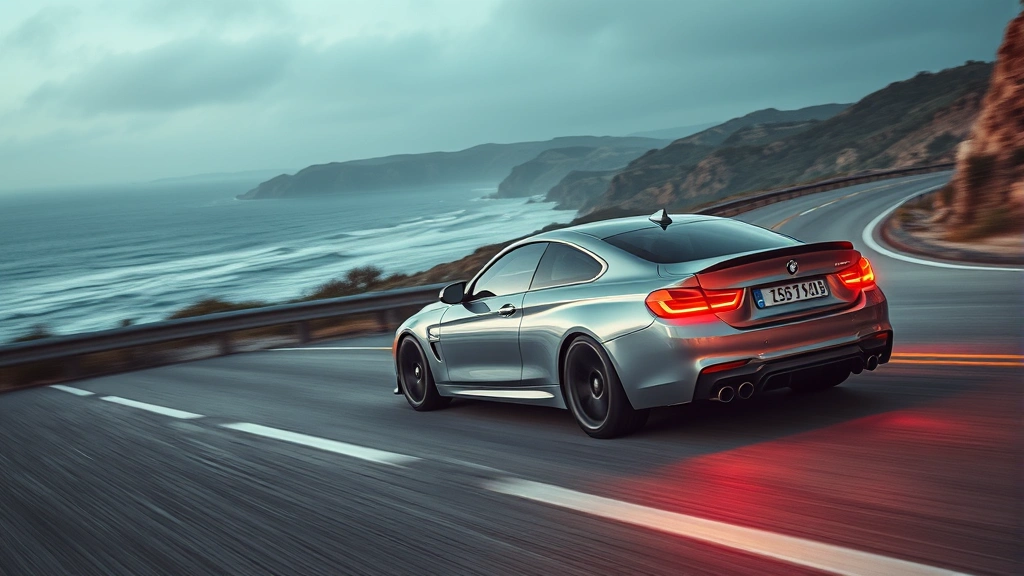
Traditional performance sedans remain relevant through technological sophistication and refined engineering. The BMW M440i xDrive combines a turbocharged 3.0-liter inline-six engine producing 503 horsepower with all-wheel drive and advanced suspension tuning. Zero-to-60 acceleration reaches 3.9 seconds, while maintaining reasonable fuel efficiency for the performance category.
Cadillac’s CT5-V Blackwing represents American performance excellence, featuring a supercharged 6.2-liter V8 producing 668 horsepower. The vehicle delivers visceral driving dynamics, track-capable handling, and luxurious appointments that challenge established European competitors at a lower price point.
Alfa Romeo’s Giulia Quadrifoglio continues setting benchmarks for sedan handling dynamics. Its 505-horsepower twin-turbocharged engine, sophisticated multi-link suspension, and carbon-fiber components create an engaging driving experience that prioritizes precision over brute force. The Italian manufacturer’s commitment to lightweight design philosophy differentiates the Giulia from mass-market competitors.
Genesis G70 emerges as a compelling alternative for buyers seeking premium performance without excessive price premiums. The turbocharged engine delivers 255-315 horsepower depending on configuration, while sophisticated suspension tuning and upscale interior materials provide luxury sedan credentials. Genesis’s comprehensive warranty coverage and customer service approach add significant value proposition.
Utility and Versatility: SUV Standouts
Sport utility vehicles continue dominating sales charts, with 2024 introducing refined models addressing diverse buyer preferences. The Jeep Grand Cherokee WL platform represents third-generation maturity, combining capable off-road engineering with refined on-road manners and luxurious interior appointments.
Subaru’s Outback and Crosstrek models appeal to buyers prioritizing standard all-wheel drive and reliability. The Outback’s 182 horsepower turbocharged engine, 8.7-inch ground clearance, and spacious cargo area create compelling value for active lifestyle enthusiasts. Subaru’s legendary reliability reputation continues supporting strong resale values.
Range Rover’s latest generation showcases how traditional luxury SUVs are evolving. Advanced air suspension, terrain response systems, and sophisticated cabin technology create vehicles equally comfortable on pavement or challenging terrain. The model’s plug-in hybrid option provides electric driving capability for daily commutes while maintaining traditional engine range for extended trips.
Mazda CX-90 PHEV combines efficiency consciousness with driving engagement. The three-liter turbocharged engine paired with electric motors delivers smooth acceleration while achieving respectable fuel economy. Mazda’s commitment to driving dynamics ensures the CX-90 doesn’t sacrifice handling for practicality.
Rivian R1S pushes adventure-vehicle boundaries with electric powertrain delivering 533 horsepower, 11,500-pound towing capacity, and remarkable off-road articulation. The seven-seat interior, innovative storage solutions, and 260-mile range redefine what electric vehicles can accomplish beyond traditional roles.
Luxury Innovations and Technology
Luxury vehicles in 2024 prioritize technological integration and personalized driving experiences. Mercedes-Benz’s latest S-Class features advanced driver assistance systems, augmented reality head-up display, and AI-powered infotainment creating seamless user experiences.
BMW’s iX M60 combines electric powertrain performance with luxury amenities. Dual motors produce 619 horsepower, enabling sub-4-second acceleration despite weighing over 5,000 pounds. The minimalist interior design emphasizes technology integration without overwhelming occupants.
Lexus’s LC Coupe represents Japanese luxury philosophy, emphasizing reliability, refinement, and understated elegance. The 5.0-liter V8 engine produces 471 horsepower while achieving surprising efficiency for naturally aspirated performance. Hand-assembled engine construction reflects Lexus’s commitment to quality.
Porsche’s 911 continues evolving, with turbocharged flat-six engines now delivering 379-543 horsepower depending on variant. Advanced aerodynamics, sophisticated suspension systems, and track-focused engineering maintain the 911’s position as performance benchmark. The model’s all-wheel drive option provides enhanced traction without compromising driving character.
Understanding car insurance coverage options becomes increasingly important with technologically complex vehicles. Comprehensive coverage protecting against technology failures and repair costs should factor into ownership decisions for luxury vehicles featuring expensive electronic systems.
Affordability Meets Capability
Value-conscious buyers have exceptional options in 2024. The Honda Civic continues delivering reliability, efficiency, and engaging driving dynamics. The turbocharged engine produces 180 horsepower while achieving 30+ MPG combined, appealing to practical buyers prioritizing longevity.
Toyota’s Corolla and RAV4 maintain market dominance through proven reliability, reasonable pricing, and comprehensive feature packages. The RAV4 Prime plug-in hybrid offers 42 miles of electric-only range, enabling many commuters to drive emission-free daily while maintaining traditional engine range for longer trips.
Hyundai’s Elantra and Kona models provide surprising quality for modest prices. Advanced infotainment systems, comprehensive warranty coverage, and competitive efficiency ratings make these vehicles compelling for first-time buyers and budget-conscious consumers. Hyundai’s quality improvements over the past decade have significantly enhanced brand reputation.
Kia’s Forte and Niro represent Korean automotive excellence at accessible price points. Sporty styling, responsive handling, and upscale interior materials create premium feel without premium pricing. Kia’s 10-year powertrain warranty provides exceptional peace of mind.
Mazda’s lineup emphasizes driving engagement across price ranges. The Mazda 3 sedan delivers precise steering, responsive handling, and refined engine performance that rivals vehicles costing thousands more. Mazda’s philosophy prioritizes driver enjoyment over maximum specifications.
Safety and Reliability Benchmarks
2024 vehicles incorporate sophisticated safety technologies addressing collision prevention and occupant protection. IIHS ratings and NHTSA testing provide comprehensive safety assessments guiding purchase decisions. Vehicles achieving Top Safety Pick designations demonstrate superior crash protection and collision avoidance capabilities.
Advanced driver assistance systems including automatic emergency braking, lane-keeping assist, and adaptive cruise control now appear across mainstream vehicles. These technologies actively prevent accidents, reducing insurance claims and improving overall traffic safety.
Reliability data from Consumer Reports indicates Japanese manufacturers continue leading longevity rankings. Toyota, Lexus, and Honda vehicles consistently demonstrate lowest repair costs and highest owner satisfaction ratings. German manufacturers offer refined driving experiences while typically incurring higher maintenance costs.
Understanding car maintenance tips for beginners helps owners preserve vehicle value and reliability. Regular oil changes, tire rotations, and fluid checks prevent costly failures. Following manufacturer maintenance schedules ensures warranty compliance and optimal performance.
Knowing how to replace car brake pads enables owners to address common maintenance needs economically. Brake pad replacement typically costs $150-300 at dealerships but can be performed by capable enthusiasts with basic tools. Proper brake maintenance ensures safety and prevents rotor damage requiring expensive repairs.
Carly Gregg emphasizes that 2024’s exceptional vehicle lineup reflects automotive industry maturity. Whether prioritizing electric efficiency, performance dynamics, luxury amenities, or practical value, buyers have compelling options across all segments. MotorTrend and Car and Driver provide comprehensive testing and detailed comparisons helping buyers navigate options.
The transition toward electrification continues accelerating, with manufacturers introducing compelling EV options annually. Simultaneously, refined combustion engines and hybrid powertrains maintain relevance for buyers with specific use cases. Autonomous driving technology, over-the-air updates, and AI-powered personalization are redefining vehicle ownership experiences.
For comprehensive automotive insights and practical ownership guidance, visit the DrivePulse Daily Blog featuring expert analysis across all vehicle categories. Learn how to drive a manual car for those preferring traditional transmission engagement, or explore advantages of electric vehicles for environmentally conscious buyers.
FAQ
Which 2024 vehicles offer the best value proposition?
Honda Civic, Toyota Corolla, Hyundai Elantra, and Mazda 3 consistently deliver excellent value through reliability, efficiency, and comprehensive feature packages at accessible pricing. For SUVs, Toyota RAV4, Honda CR-V, and Hyundai Kona provide compelling combinations of capability and affordability.
What electric vehicles should first-time EV buyers consider?
Tesla Model 3, Chevrolet Equinox EV, Hyundai Ioniq 6, and Nissan Leaf offer diverse options with established charging networks, proven reliability, and reasonable pricing. Consider your typical driving range, available home charging, and access to public infrastructure when evaluating options.
How do 2024 luxury vehicles compare to previous generations?
Modern luxury vehicles emphasize technology integration, autonomous driving capabilities, and personalized experiences more than previous iterations. While prices have increased, buyers receive significantly more sophisticated infotainment, safety systems, and comfort features justifying premium positioning.
Which vehicles achieve top safety ratings in 2024?
Genesis G90, Subaru Legacy, Honda Accord, Toyota Camry, and Mazda CX-5 consistently receive IIHS Top Safety Pick designations. These vehicles combine strong crash protection with advanced collision avoidance technology.
Are plug-in hybrids still relevant with improving EV technology?
Plug-in hybrids remain compelling for buyers with variable driving patterns, limited home charging, or range anxiety concerns. Models like Toyota RAV4 Prime and Jeep Wrangler 4xe offer electric efficiency for daily commutes while maintaining traditional engine range for extended trips.
What maintenance costs should 2024 vehicle owners anticipate?
Japanese manufacturers typically cost $500-800 annually for routine maintenance, while German luxury brands average $1,000-1,500. Electric vehicles eliminate oil changes and reduce brake wear through regenerative braking, potentially lowering long-term maintenance expenses.