Hybrid Cars: Are They Worth the Investment? Expert View
The automotive landscape has shifted dramatically over the past decade, with hybrid vehicles becoming increasingly mainstream rather than niche. As consumers face mounting fuel costs and environmental concerns, the question of whether hybrid cars justify their premium pricing has become more relevant than ever. This comprehensive analysis examines the financial, environmental, and practical dimensions of hybrid vehicle ownership to help you make an informed decision.
Hybrid technology has matured significantly since its early days, with manufacturers like Toyota, Honda, and Lexus refining their systems to deliver improved reliability and performance. The initial skepticism surrounding hybrid longevity has largely dissipated, replaced by real-world data showing these vehicles can match or exceed conventional cars in dependability. Understanding the true cost of ownership—beyond the sticker price—is essential for evaluating whether a hybrid makes financial sense for your driving habits.
Understanding Hybrid Technology and How It Works
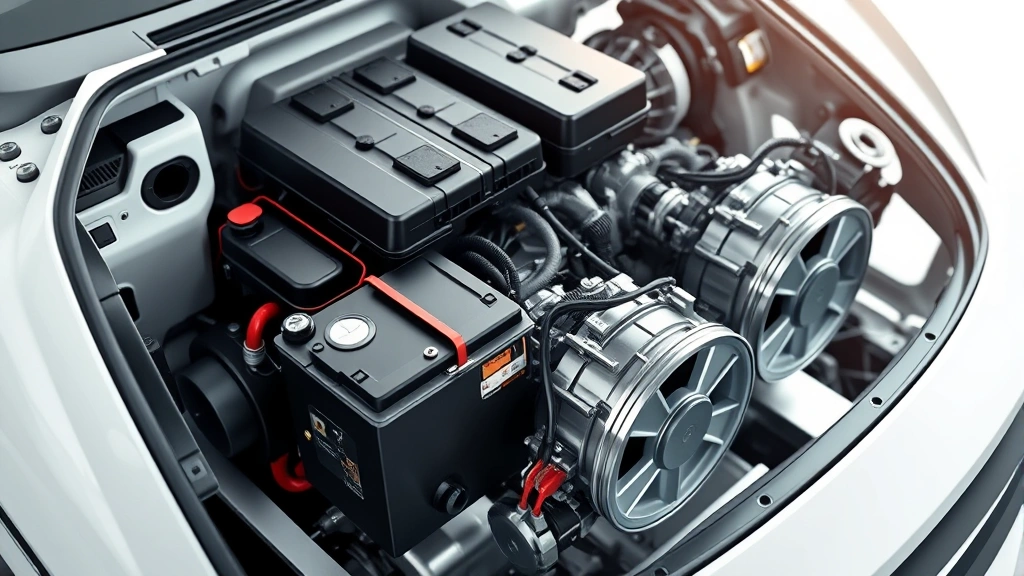
Hybrid vehicles combine a traditional internal combustion engine with one or more electric motors powered by rechargeable batteries. This dual-power system operates intelligently, switching between gas and electric propulsion depending on driving conditions. During low-speed city driving, the electric motor handles most of the work, while the gas engine takes over during highway cruising or acceleration when efficiency matters less than power output.
The regenerative braking system represents one of hybrid technology’s most ingenious features. When you brake, the kinetic energy normally wasted as heat gets converted into electrical energy and stored in the battery. This captured energy supplements the battery charge, reducing fuel consumption significantly. Most hybrids don’t require plug-in charging—the engine and regenerative braking keep the battery topped up automatically, making them far more convenient than plug-in hybrids or pure electric vehicles for drivers without home charging infrastructure.
Modern hybrid systems have become remarkably sophisticated. Advanced algorithms continuously optimize the power split between engine and motor, responding to factors like traffic patterns, terrain, and weather conditions. The latest generation hybrids from manufacturers like Toyota and Lexus achieve seamless transitions between power sources, delivering driving experiences that rival conventional vehicles while consuming substantially less fuel.
Initial Purchase Price vs. Long-Term Savings
The most obvious hurdle to hybrid ownership is the upfront cost premium. Hybrid models typically command prices 15-25% higher than their conventional counterparts. A Toyota Camry hybrid might cost $3,000-$5,000 more than a standard Camry, while premium hybrids like the Lexus ES can exceed $10,000 in additional expense. For budget-conscious buyers, this premium feels substantial and warrants careful analysis.
However, evaluating hybrids solely on purchase price ignores the complete financial picture. Consider a typical scenario: a driver covering 15,000 miles annually in a region with average fuel costs. A conventional sedan averaging 30 mpg requires 500 gallons yearly, costing approximately $1,750 at current prices. The same model as a hybrid, achieving 50 mpg, needs only 300 gallons, costing roughly $1,050—saving $700 annually on fuel alone.
Over a seven-year ownership period, that $700 annual savings accumulates to $4,900 in fuel costs avoided. When combined with lower maintenance expenses on hybrid vehicles, the initial price premium becomes recoverable within 5-7 years for many drivers. Owners who keep their vehicles longer or drive more miles see even greater returns on their hybrid investment.
The break-even calculation depends heavily on individual circumstances: annual mileage, local fuel prices, driving patterns, and vehicle class all influence the timeline. City dwellers driving short distances benefit most from hybrid efficiency, while highway commuters see more modest savings. Calculating your specific break-even point requires honest assessment of your driving habits.
Fuel Economy and Real-World Performance
EPA estimates provide a useful starting point, but real-world hybrid fuel economy depends significantly on driving style and conditions. Aggressive acceleration, excessive idling, and highway-dominated commutes reduce the efficiency advantage hybrids enjoy. Conversely, city driving with frequent stops and starts—exactly where hybrids excel through regenerative braking—delivers fuel economy approaching or exceeding EPA ratings.
A comprehensive study from EPA fuel economy database reveals that hybrid owners typically achieve 80-90% of EPA combined ratings in real-world conditions, compared to 70-75% for conventional vehicles. This suggests hybrid efficiency claims hold up better in practice than traditional cars, partly because hybrid powertrains are optimized for the EPA testing cycle.
The Toyota Prius, the quintessential hybrid, demonstrates this advantage clearly. Official EPA ratings claim 56 combined mpg, yet many owners report 50-55 mpg in daily driving. Compare this to similar-sized conventional sedans achieving 70-80% of their rated 30-35 mpg, and the hybrid’s real-world advantage becomes apparent. Premium hybrids like the Lexus LS maintain excellent efficiency even at highway speeds, delivering 40+ mpg on long-distance drives.
Performance considerations matter too. Hybrid vehicles no longer sacrifice acceleration or responsiveness. Modern hybrids deliver electric motor assistance during acceleration, often matching or exceeding conventional counterparts in 0-60 times. The immediate torque from electric motors combined with engine power creates engaging driving dynamics that surprise many hybrid skeptics.
Maintenance Costs and Reliability
Early hybrid critics worried about battery degradation and expensive repairs, but two decades of real-world data have largely put these concerns to rest. Modern hybrid batteries, typically warranted for 8-10 years or 100,000+ miles, prove remarkably durable. Toyota’s hybrid battery failure rate remains below 1% even in vehicles exceeding 200,000 miles, an impressive reliability record.
Hybrid vehicles actually require less routine maintenance than conventional cars. Regenerative braking means brake pads last 50-70% longer since the electric motor handles much stopping duty. Oil change intervals often stretch to 10,000 miles or more, reducing fluid change costs. The absence of transmission fluid, spark plug changes, and other conventional maintenance items further reduces annual service expenses.
When maintenance becomes necessary, hybrid-specific work like battery service or inverter replacement can cost more than conventional repairs. However, these services rarely occur within normal ownership periods. Most hybrid owners experience lower total maintenance costs—typically $4,000-$6,000 less over seven years compared to conventional vehicles—offsetting the occasional expensive repair.
Reliability ratings from Consumer Reports consistently rank established hybrid models like the Prius and Camry hybrid among the most dependable vehicles available. These vehicles often outperform their conventional counterparts in predicted reliability metrics, suggesting hybrid complexity hasn’t compromised overall dependability. Following proper maintenance procedures ensures hybrid longevity matches or exceeds conventional vehicles.
” alt=”Modern hybrid vehicle engine bay showing dual power systems and battery components integrated seamlessly”>
Tax Incentives and Government Benefits
Federal tax credits for hybrid vehicles have fluctuated based on legislative changes, currently offering up to $7,500 for qualifying new hybrid purchases, though eligibility depends on vehicle type, price point, and domestic content requirements. Some states provide additional incentives, making hybrid purchases more financially attractive in certain regions. California, New York, and several other states offer rebates ranging from $1,500-$3,000 for qualifying hybrid buyers.
Beyond direct purchase incentives, hybrids often qualify for reduced registration fees in states like California and Virginia. Some insurance companies offer modest discounts for hybrid owners, though savings typically range from 5-10%. Carpool lane access in states like California permits hybrid owners to use HOV lanes regardless of occupancy, providing a tangible benefit that reduces commute times for hybrid drivers in congested areas.
These incentives vary by location and change frequently with new legislation. Prospective buyers should research current incentives in their state and consult with dealers about manufacturer rebates and incentive programs. Federal incentives, while substantial, should factor into the decision but shouldn’t be the primary consideration, as policy changes could affect future resale values and incentive availability.
Environmental Impact and Carbon Footprint
The environmental case for hybrids extends beyond tailpipe emissions. While hybrids produce approximately 25-30% fewer greenhouse gas emissions than conventional vehicles during operation, the complete environmental picture includes manufacturing impacts. Battery production generates additional emissions, and mining lithium, cobalt, and other battery materials raises environmental concerns.
Lifecycle analysis studies show that hybrid vehicles offset their manufacturing emissions within 1-3 years of typical driving, after which they deliver net environmental benefits throughout their operational life. Over a 200,000-mile lifespan, a hybrid produces roughly 40% fewer lifecycle emissions than an equivalent conventional vehicle. This advantage grows in regions where electricity generation relies more heavily on renewable sources.
Compared to pure electric vehicles, hybrids present interesting trade-offs. While EVs produce zero direct emissions, their environmental advantage depends on grid electricity composition. In regions with coal-heavy power generation, the environmental benefit of EVs narrows considerably. Hybrids provide reliable environmental improvement regardless of regional electricity sources, making them particularly valuable in areas with fossil fuel-dependent grids.
The environmental advantage of electric vehicles versus hybrids continues to improve as electricity grids transition toward renewable sources. However, hybrids remain the practical choice for drivers unable to access reliable charging infrastructure or requiring maximum driving range without refueling stops.
Resale Value and Market Trends
Hybrid vehicles have historically commanded stronger resale values than conventional counterparts, reflecting buyer demand for fuel-efficient used vehicles. A three-year-old hybrid typically retains 55-65% of its original purchase price, compared to 50-60% for conventional vehicles. This improved residual value helps offset the initial purchase premium.
However, the resale advantage varies significantly by model and market conditions. Popular hybrids like the Toyota Prius and Camry hybrid maintain strong demand and stable values. Less common hybrid models or those from manufacturers with limited hybrid histories show more modest resale value advantages. Market trends suggest hybrid values remain stable or appreciate relative to conventional vehicles as fuel prices rise and environmental concerns intensify.
The emergence of more hybrid options has fragmented the used hybrid market somewhat. Early-generation hybrids command premium prices due to scarcity, while newer models with expanded competition see more moderate pricing. This suggests that current hybrid buyers should anticipate reasonable resale values, though the substantial premiums enjoyed by early hybrid adopters may not continue indefinitely.
Long-term ownership patterns favor hybrids, as owners who keep vehicles 10+ years benefit from exceptional fuel economy without facing uncertain used vehicle pricing. For those planning to sell within 3-5 years, hybrid resale values should factor positively into the investment calculation.
Comparing Hybrids to Electric Vehicles
The comparison between hybrids and pure electric vehicles requires honest assessment of your driving needs, infrastructure access, and priorities. Electric vehicles offer superior efficiency, lower operating costs, and zero tailpipe emissions, but require home charging access and tolerate limited driving range compared to hybrids. A typical EV offers 200-300 miles per charge, while hybrids provide 400-600 miles between fill-ups.
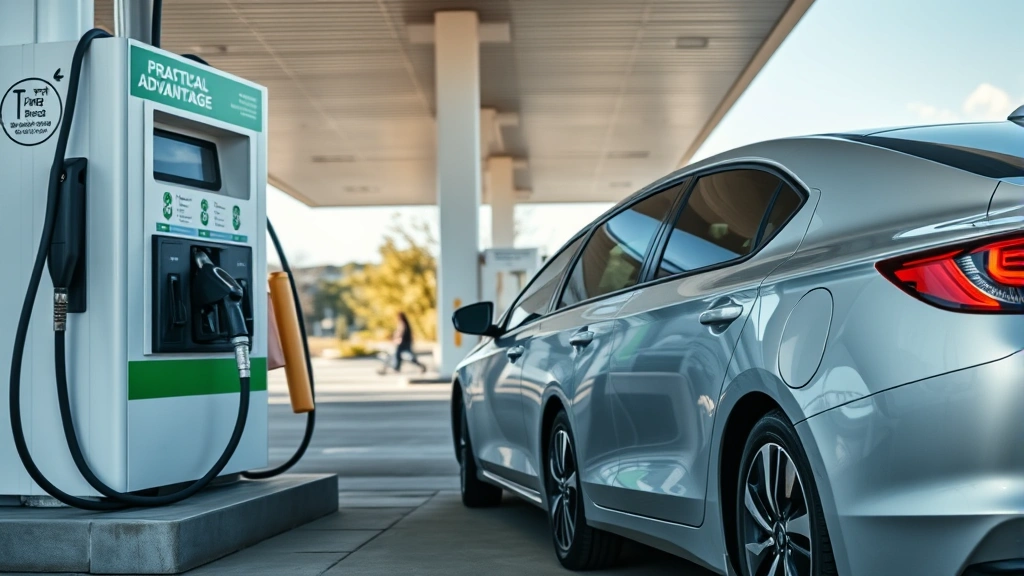
Hybrids eliminate range anxiety entirely—you refuel at any gas station within seconds, not hours at a charging station. This advantage proves decisive for drivers frequently taking long road trips, living in apartments without charging access, or traveling through rural areas with sparse charging infrastructure. For daily commuting under 40 miles with home charging available, electric vehicles deliver superior economics and environmental benefits.
Federal EV tax credits reach $7,500, matching hybrid incentives, but EV prices remain substantially higher than hybrid equivalents. A Tesla Model 3 starts around $43,000, while a Toyota Camry hybrid costs approximately $28,000-$35,000. This price gap, even with incentives, makes hybrids more accessible to budget-conscious buyers seeking efficiency improvements.
The advantages of electric vehicles continue expanding as charging infrastructure improves and battery technology advances. However, hybrids remain the practical choice for drivers prioritizing flexibility, affordability, and driving range without requiring premium vehicles or substantial home charging investments. The optimal choice depends entirely on individual circumstances rather than absolute superiority of either technology.
” alt=”Hybrid vehicle parked at gas station showing the practical refueling advantage over electric vehicles”>
FAQ
How long do hybrid batteries last?
Modern hybrid batteries typically last 8-10 years or 100,000+ miles, with many lasting 150,000-200,000 miles or more. Toyota’s hybrid battery failure rate remains below 1%, and most manufacturers warranty batteries for at least 8 years. The actual lifespan often exceeds warranty periods, with many hybrids operating reliably well beyond 200,000 miles.
Are hybrid cars more reliable than conventional vehicles?
Yes, established hybrid models like the Toyota Prius and Camry hybrid rank among the most reliable vehicles available. Fewer moving parts in the drivetrain, less stress on the engine due to hybrid assistance, and mature technology contribute to excellent reliability records. Independent reliability ratings consistently favor popular hybrids over conventional alternatives.
What’s the best hybrid car for city driving?
The Toyota Prius excels in city driving, with its efficiency optimized for stop-and-go traffic and regenerative braking. The Honda Insight offers similar advantages with a more conventional sedan design. For drivers preferring SUV form factors, the Toyota RAV4 hybrid and Highlander hybrid deliver excellent city efficiency with added cargo space.
Do hybrids require special maintenance?
Hybrid vehicles require standard maintenance like oil changes and filter replacements, though intervals often extend longer than conventional cars. Brake service becomes less frequent due to regenerative braking. Specialized hybrid maintenance like battery servicing rarely occurs during normal ownership. Most owners can visit any qualified mechanic for routine service.
Can you replace a hybrid battery yourself?
Hybrid battery replacement requires specialized training and equipment, making DIY installation impractical for most owners. Professional replacement typically costs $1,500-$5,000 depending on the vehicle, though this expense rarely occurs within typical ownership periods. Many independent shops now offer hybrid battery service at prices competitive with dealerships.
What’s the difference between hybrids and plug-in hybrids?
Standard hybrids charge their batteries through regenerative braking and engine operation, requiring no plug-in charging. Plug-in hybrids (PHEVs) feature larger batteries requiring external charging, typically offering 20-50 miles of electric-only range before the gas engine engages. PHEVs suit drivers with predictable short commutes and home charging access better than standard hybrids.
Do hybrids work well in cold weather?
Hybrid efficiency decreases in cold weather as batteries lose capacity and engines require longer warm-up periods. However, hybrids still outperform conventional vehicles in winter conditions due to engine assist and regenerative braking advantages. Expect 10-20% reduced fuel economy in harsh winter climates, but still superior to non-hybrid alternatives.
Is hybrid ownership worth it for highway driving?
Hybrids deliver less impressive fuel economy gains on highways since regenerative braking provides minimal benefit at constant speeds. Highway-heavy drivers see smaller fuel savings, potentially extending the break-even point to 7-10 years. However, premium hybrids like the Lexus ES achieve 40+ mpg on highways, still offering meaningful savings compared to conventional vehicles.