
Table of Contents
Introduction
Let’s be real about car insurance for a second. You need it. You’re legally required to have it. But that doesn’t mean you should pay more than necessary for it. Here’s what drives me crazy: so many people just stick with their current insurer year after year, never bothering to shop around. Meanwhile, they could be saving serious money—we’re talking hundreds, sometimes thousands of dollars annually—just by taking the time to compare what’s out there.
Car insurance comparison isn’t just about hunting for the cheapest rate (though that’s part of it). It’s about finding that sweet spot where you get solid coverage without breaking the bank. Think of it like shopping for anything else—you wouldn’t buy the first car you see or the first house that pops up online, right? So why settle for the first insurance quote? Industry data shows that drivers who actually take time to compare quotes save between 15% and 20% on their premiums. That’s real money back in your pocket. Before we get into the nitty-gritty of comparison shopping, you’ll want to brush up on auto insurance coverage essentials so you know exactly what you’re comparing.
Now, here’s where things get interesting. Your insurance premium isn’t just pulled out of thin air—there’s actually a method to the madness. Insurance companies look at your age, driving history, where you live, what you drive, and the coverage levels you choose. What surprises most people? Small changes can make a big difference in your monthly costs. Bumping up your deductible or tweaking your coverage levels might save you more than you’d expect. If you want to really understand how this works, check out our guide on insurance deductibles. Once you get how these pieces fit together, you’ll be comparing quotes like a pro—not just looking at the bottom line, but understanding what you’re actually getting for your money.
And here’s something you might not have considered: your car insurance doesn’t exist in a vacuum. Your credit score, income, and other financial factors can all influence what you pay. Plus, if you’re in the market for a new car, understanding things like tips for negotiating car prices can help you make smarter decisions about both your vehicle purchase and insurance costs. It’s all connected, and the more you understand these connections, the better decisions you’ll make.
What You’ll Learn in This Guide
We’re going to walk through everything you need to know about comparing car insurance costs—and I mean everything. By the time we’re done, you’ll have the confidence to shop for insurance like you actually know what you’re doing. Here’s exactly what we’ll cover:
- Understanding Car Insurance Cost Comparison: Learn the principles behind comparing insurance quotes, including how to evaluate coverage, premiums, discounts, and insurers to find the best value for your money.
- Factors Influencing Insurance Premiums: Discover how age, driving record, vehicle type, and other key elements impact your insurance costs and what you can do to optimize your premiums.
- Step-by-Step Guide to Comparing Quotes: Follow our detailed process for gathering, analyzing, and selecting insurance quotes using online tools, direct inquiries, and professional advice.
- Common Pitfalls and Money-Saving Tips: Avoid frequent mistakes people make when shopping for insurance and uncover effective strategies that help you lower premiums without compromising coverage.
Ready to dive in? We’ll start by breaking down exactly how car insurance comparison works in the real world. No confusing jargon, no insurance-speak—just straight talk about how to find the right policy for your situation. Along the way, we’ll show you how understanding concepts like affordable car insurance quotes can make your decision-making process so much easier. Trust me, a little knowledge upfront saves you headaches (and money) down the road.
You’ll also discover how online comparison tools can actually simplify this whole process instead of making it more complicated. Whether you’re buying insurance for the first time or you’ve been with the same company for years, learning to compare quotes effectively is a skill that pays for itself. And speaking of paying less, we’ll point you toward resources on lowering car insurance premiums that offer practical ways to cut costs without sacrificing the protection you need.
By the time you finish this guide, you’ll have everything you need to tackle car insurance shopping with confidence. Whether your goal is finding the best coverage for your budget, saving money on your current policy, or just understanding how this whole insurance thing actually works, we’ve got you covered. So let’s get started—your wallet will thank you.

Here’s the thing about car insurance—most people are doing it wrong. They either grab the first policy that seems reasonable or stick with the same company for years without shopping around. Sound familiar? You’re probably leaving money on the table or (worse) driving around with coverage that won’t actually protect you when things go sideways. The good news? Learning how to compare car insurance costs properly isn’t rocket science. It just takes a bit of know-how and the right approach. We’re going to walk through exactly how insurance companies set their prices and share some tried-and-true strategies for finding a policy that actually makes sense for your situation. Because nobody should be overpaying for insurance or scrambling to cover costs after an accident.
How Car Insurance Costs Are Calculated and Key Factors Influencing Premiums
Ever wonder why your neighbor pays half what you do for car insurance? It’s not magic—insurance companies use a pretty complex formula that takes dozens of factors into account. And honestly, some of these factors might surprise you. Sure, your age and driving record matter (no shocker there), but so does everything from what kind of car you drive to how many miles you put on it each year. Insurance deductibles play a huge role too—basically, the more you’re willing to pay out of pocket when something happens, the less you’ll pay monthly. It’s all about finding that sweet spot between what you can afford now and what you could handle in an emergency.
But wait, there’s more to the story. Insurance isn’t just about you and your car—it’s also about the coverage you choose and where you live. Want comprehensive coverage with all the bells and whistles? You’ll pay more upfront, but you’ll sleep better knowing you’re protected. Getting familiar with the types of auto insurance coverage available helps you figure out what you actually need versus what sounds nice to have. And here’s something many people don’t think about: your zip code matters. A lot. Drive in a city with lots of accidents or car theft? Your rates will reflect that risk. Live somewhere where hailstorms are common? Same deal. Once you understand all these moving pieces, comparing quotes becomes way more meaningful than just looking at the bottom line.
Key Aspects of Insurance Cost Calculation
Let’s break down the main factors that make your premium what it is:
- Driver’s Age and History: Young drivers and anyone with recent claims get hit with higher rates—it’s just math to insurance companies. But here’s the silver lining: a clean driving record can save you serious money over time.
- Vehicle Type and Usage: That sports car might be fun to drive, but it’s expensive to insure and fix. Plus, if you’re putting 20,000 miles a year on your car, you’re on the road more, which means more chances for something to go wrong.
- Coverage Level and Deductibles: This is where you get to make some choices. Higher deductibles mean lower monthly payments, but you need to be honest about what you could actually afford if you had to file a claim tomorrow.
- Location-Based Factors: Your neighborhood’s crime rate, traffic patterns, and weather risks all factor in. It might not seem fair, but insurance is all about statistics and probability.
Understanding these factors changes everything about how you shop for insurance. Instead of just hunting for the cheapest quote, you’ll start recognizing when a policy is a good fit for your specific situation. You’ll also spot red flags—like quotes that seem too good to be true or don’t account for factors that should matter for someone in your situation.
Effective Strategies for Comparing Car Insurance Quotes and Making the Best Choice
Okay, so you’ve got a stack of insurance quotes. Now what? Here’s where most people go wrong—they look at the price and call it a day. That’s like buying a house based only on the monthly payment. You need to dig deeper. Start by making sure you’re comparing apples to apples. Same coverage limits, same deductibles, same everything. Then take a hard look at what’s actually covered and what isn’t. Some policies have sneaky exclusions that could leave you holding the bag when you least expect it. And definitely research the company itself—check out reviews, see how they handle claims, and find out if they’re the type of insurer that fights every claim or actually helps their customers. Guides on choosing insurance coverage can be goldmines for understanding the fine print and avoiding nasty surprises down the road.
Online comparison tools are your friend here—they’ll save you hours of calling around and give you a side-by-side view of your options. Many of these platforms also include customer ratings and highlight discounts you might qualify for but didn’t know about. But here’s a word of caution: don’t get tunnel vision about finding the absolute cheapest option. I’ve seen too many people save $20 a month only to discover their “bargain” policy left them with thousands in out-of-pocket costs after an accident. The goal is finding the best value—adequate coverage from a reliable company at a price that won’t break your budget.
Key Aspects of Effective Quote Comparison
When you’re comparing quotes, keep these points top of mind:
- Coverage Details and Exclusions: Read the fine print. Make sure you understand what’s covered—collision, liability, comprehensive—and what’s not. Those exclusions can come back to bite you.
- Insurer Reputation and Customer Service: Check online reviews and complaint records. You want a company that’ll actually answer the phone and help you out when you need to file a claim, not one that makes the process a nightmare.
- Use of Online Comparison Tools: These platforms make your life easier by showing you multiple options at once. Plus, they often catch discounts and deals you might miss otherwise.
- Balance Between Price and Protection: Remember, the cheapest isn’t always the best. You want coverage that’ll actually protect you without costing more than your car payment.
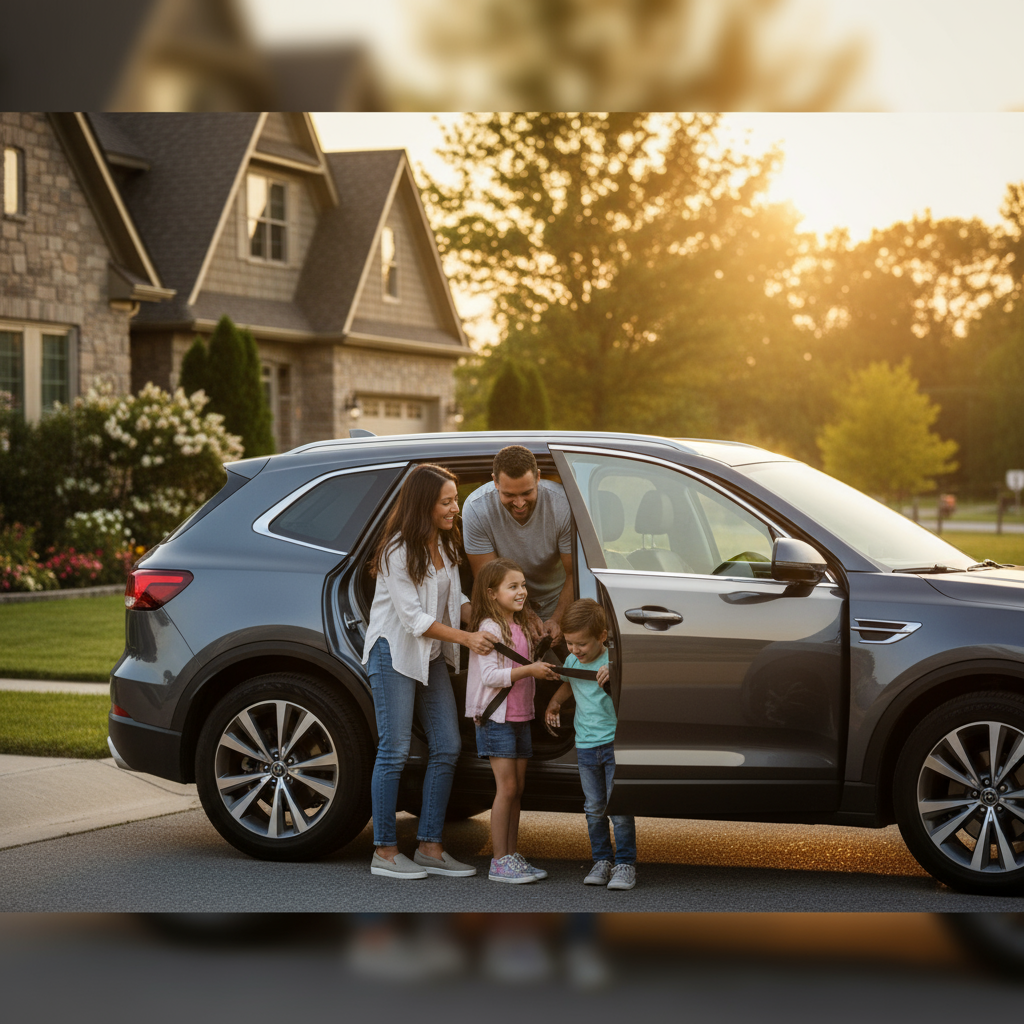
Here’s the bottom line: comparing car insurance costs isn’t just smart—it’s essential if you want great coverage without breaking the bank. We’ve covered a lot of ground together, from how your age and driving history affect your rates to why your car choice matters more than you might think. And here’s something most people don’t realize: that first quote you get? It’s rarely your best option.
Don’t just chase the lowest price (trust me on this). You need to dig deeper. Look at what’s actually covered, check out the company’s reputation, and hunt for those discounts they don’t always advertise upfront. Skip the common pitfalls—like glossing over exclusions or forgetting to update your info—and you’ll make decisions that actually protect both your car and your wallet.
Now, here’s where it gets interesting. Your car insurance doesn’t exist in a vacuum. How well you maintain your ride? That directly impacts what you pay. Keep your car in great shape with regular maintenance, and you’re not just extending its life—you’re potentially saving money on premiums too. When you combine smart maintenance habits with savvy shopping and a solid understanding of how insurers calculate costs, you’ve got a winning formula.
Ready to take action? Start with the basics of car care. Our guide on how to check car oil level will help keep your engine running smoothly, which insurers definitely notice. If you’re new to car ownership, check out our car maintenance tips for the essential upkeep tasks that protect your investment. And don’t overlook rust prevention—our guide on how to prevent rust on cars offers practical strategies that keep your car looking and running great. These habits show insurers you’re responsible, which often translates to better rates. Before you even get to insurance, though, make sure you got a good deal on the car itself. Our external resource on tips for negotiating car prices can help you save upfront, leaving more room in your budget for quality coverage.
Look, mastering car insurance comparison isn’t rocket science—but it does take the right approach. Combine what you’ve learned about maintenance, smart shopping, and thorough quote evaluation, and you’ll confidently choose a policy that truly works for you. The key? Stay thorough, stay proactive, and don’t settle for “good enough.” Your future self (and your bank account) will thank you when you’re enjoying both peace of mind and real savings.
Frequently Asked Questions
-
What should I consider when comparing car insurance costs?
- Consider coverage details, premium rates, deductibles, and the insurer’s reputation to ensure the best value and protection.
-
How can I get the most accurate insurance quotes?
- Provide consistent personal and vehicle information across all quotes for precise and comparable results.
-
Are the cheapest car insurance policies always the best?
- No, the cheapest policies might have lower coverage or higher out-of-pocket expenses. Balance cost with adequate protection.
-
How often should I compare car insurance rates?
- It’s wise to review and compare your rates annually or after significant life changes that might impact your premium.
-
Can I save money by bundling insurance policies?
- Yes, bundling auto insurance with other policies like home insurance can lead to worthwhile discounts.