Table of Contents
Introduction
Here’s something that might surprise you: one of the smallest, cheapest parts in your car could be secretly sabotaging your engine’s performance. I’m talking about your air filter. You know that feeling when your car just doesn’t feel as peppy as it used to? Or when you’re filling up the gas tank more often than usual? Nine times out of ten, a dirty air filter is the sneaky culprit behind these frustrations.
Think of your car’s air filter as the lungs of your engine. Just like you wouldn’t want to breathe through a dirty cloth, your engine struggles when its air filter is clogged with dust, dirt, and road grime. Here’s what’s really happening under the hood: as your filter gets dirty, it chokes off the clean airflow your engine desperately needs. The result? Your engine works harder, burns more fuel, and loses that smooth performance you love. Automotive experts have found that swapping out a clogged filter can boost acceleration by up to 11%—and slash emissions too. Pretty impressive for such a simple fix, right? If you’re just getting started with car maintenance, our guide on car maintenance tips for beginners is packed with essential advice that’ll help you keep your vehicle running like a dream.
Now, changing your air filter isn’t rocket science. With the right tools and a clear game plan, you can knock this out in about 15 minutes. Many DIY enthusiasts use this as an opportunity to tackle other quick maintenance tasks—maybe replacing those squeaky windshield wipers or giving the engine bay a quick once-over. Speaking of essential skills, knowing how to check your oil level goes hand-in-hand with air filter maintenance. Both are fundamental ways to keep your engine healthy. For step-by-step guidance on these related tasks, check out our resources on how to check car oil level and how to replace windshield wipers. These guides break down everything you need to know for better performance and safety.
Let’s be honest—car ownership comes with expenses. But here’s the thing: smart maintenance like regular air filter changes can actually save you money in the long run. And speaking of saving money, did you know that negotiating effectively when you buy your car leaves you with more budget for maintenance down the road? If you’re in the market for a vehicle or just curious about getting better deals, our tips for negotiating car prices could put some serious cash back in your pocket. Money you can then invest in keeping your car running smoothly.
What You’ll Learn in This Guide
This guide will walk you through everything you need to know about changing your car’s air filter. Whether you’re a weekend warrior in the garage or someone who’s never popped the hood before, we’ve got you covered.
- Importance of the Car Air Filter: Understand the critical role the air filter plays in protecting your engine and maintaining fuel efficiency, emissions, and overall vehicle performance.
- Recognizing When to Change Your Air Filter: Learn to identify the signs of a dirty or clogged air filter, including reduced engine power, poor fuel economy, and unusual engine sounds, allowing you to act promptly.
- Step-by-Step Replacement Process: Follow detailed instructions on locating the air filter housing, safely removing the old filter, and installing a new one correctly with the right tools and precautions.
- Tips for Maintaining Your Air Filter: Discover best practices to extend the life of your air filter, including regular inspections, cleaning the housing, and optimal driving environments.
What’s coming up next? We’re going to get our hands dirty with the practical stuff. You’ll learn not just how to change your air filter safely and effectively, but also why maintaining a clean filter is such a game-changer for fuel economy and engine life. We’ll troubleshoot common hiccups you might encounter and help you figure out when it’s time to wave the white flag and call a professional. And here’s a bonus tip: learning how to keep your engine bay clean works beautifully alongside air filter maintenance. Our guide on how to clean car engine bay is the perfect companion to what you’re learning here.
Whether you’re driving a trusty gas-powered vehicle or exploring the electric revolution, maintenance is still king. If you’re curious about where automotive technology is headed, our article on the advantages of electric vehicles offers a fascinating glimpse into the future of driving. But regardless of what’s under your hood, keeping your car in top shape protects your investment, keeps you safe, and makes every drive more enjoyable.
By the time you finish this guide, you’ll have the confidence to tackle this essential maintenance task yourself. You’ll save money on shop visits, extend your vehicle’s life, and maybe even discover that working on your car is more satisfying than you thought. Ready to dive in? Let’s start with the basics—what exactly does your air filter do, and how does it keep your engine breathing easy.
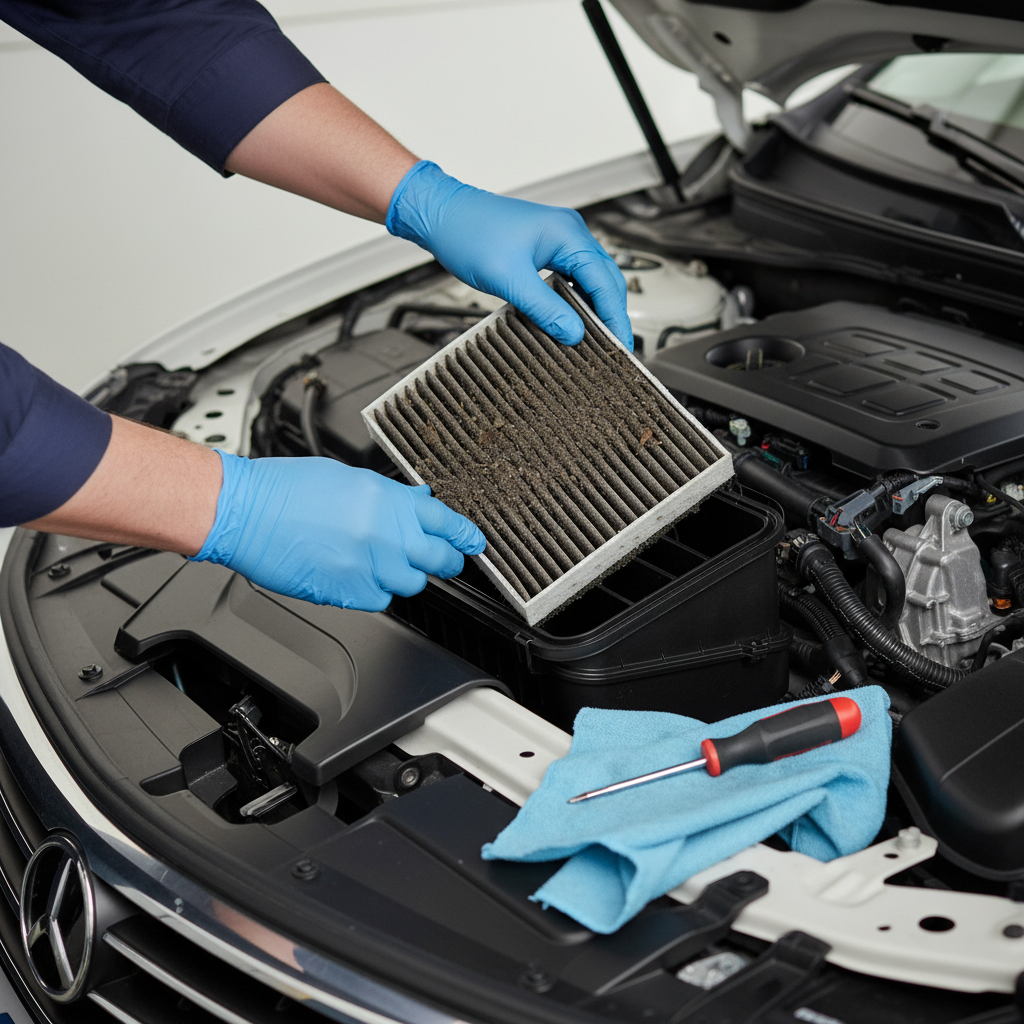
Taking care of your car means paying attention to all its parts—and yes, that includes the humble air filter. Think of it as your engine’s lungs. Just like you wouldn’t want to breathe through a dirty mask, your engine needs clean air to run smoothly. This little component works overtime to keep dirt, debris, and all sorts of nasty stuff from getting into your engine. But here’s the thing: over time, it gets clogged up with dust and grime, which can really mess with your car’s performance. Knowing when to swap it out (and how to do it) can save your engine, boost your gas mileage, and even help the environment. So let’s talk about everything you need to know about car air filters—from spotting the warning signs to actually getting your hands dirty with the replacement.
Recognizing When Your Car Air Filter Needs Replacement
Here’s something most car owners learn the hard way: ignoring your air filter can cost you big time. When it gets clogged, your engine has to work way harder than it should, and that shows up in your wallet at the gas pump. You’ll notice your car isn’t getting the miles per gallon it used to. Maybe the engine starts running rough when you’re sitting at red lights, or you hear weird noises coming from under the hood. Sometimes that dreaded check engine light decides to make an appearance too. The good news? Catching these signs early means you can fix the problem before it becomes expensive. If you’re new to car maintenance, you might want to check out these basic car maintenance tips for beginners—they’ll help you stay on top of filter checks and other essential car care.
Want to know a simple trick? Pop the hood and take a look at your air filter every few months. If it looks dirty, dusty, or has that grayish-black color, it’s telling you something. Time for a new one. This kind of regular checking isn’t just smart—it’s one of those small habits that keeps your engine happy for years. Now, replacing the filter yourself is pretty straightforward (we’ll get to that), but sometimes it’s worth getting a second opinion from a pro, especially if your car’s still acting up after a fresh filter. Speaking of engine health, learning how to check car oil levels goes hand-in-hand with air filter care—both are about keeping your engine running like it should.
Key Indicators That Your Air Filter Needs Changing
Watch out for these telltale signs that your air filter is ready for retirement:
- Reduced Fuel Efficiency: A clogged air filter limits airflow to the engine, causing it to burn more fuel than necessary, resulting in decreased mileage.
- Engine Misfires or Rough Idling: Insufficient air supply can cause incomplete combustion, leading to engine stalling, misfires, or rough idle conditions.
- Unusual Engine Sounds: A dirty filter may cause changes in air pressure, resulting in strange noises such as popping or coughing from the engine.
- Visible Dirt on the Air Filter: Inspecting the filter and finding visible dust, debris, or dark grime indicates it’s time for replacement.
Once you spot any of these symptoms, don’t wait around. Getting a new filter in there will bring your engine back to life and protect all those expensive parts from unnecessary wear. Ready to tackle the replacement yourself? Let’s walk through what you’ll need and how to do it right.
Step-by-Step Process for Changing Your Car Air Filter
Good news: changing an air filter is one of those car maintenance jobs that won’t send you running to the mechanic. Most people can handle this in their driveway with just a few basic tools. The key is knowing where to find the filter in your engine bay and taking your time to do it properly. Get it right, and your engine will thank you with better performance and longer life. But before you start, grab your owner’s manual—every car’s a little different, and you want to make sure you’re doing things the way your particular vehicle needs. If you’re feeling handy, you might also want to learn how to replace a car battery while you’re at it—similar tools, similar safety considerations.
Here’s something that trips people up: buying the wrong filter. Double-check your car’s year, make, and model before you head to the store. Trust me, they’re not all the same size. When you’re actually doing the swap, take your time removing the old filter—you don’t want dirt falling into places it shouldn’t be. And when you put the new one in, make sure it sits just right in the housing. No forcing it, no gaps around the edges. A proper seal means clean air going where it needs to go and dirty air staying out. It’s really that simple.
Essential Steps in Changing a Car Air Filter
Here’s your game plan for swapping out that air filter:
- Locate the Air Filter Housing: Find the air filter box, usually a black plastic container near the engine. It may have clips or screws securing the lid, requiring appropriate tools like a screwdriver or socket wrench.
- Remove the Old Filter: Open the housing carefully, taking precautions to avoid letting dirt fall into the intake. Remove the old filter, noting its orientation for correct new filter placement.
- Insert the New Filter: Position the new filter matching the orientation of the old one. Ensure it fits snugly without gaps or forcing it in to prevent damage.
- Secure the Housing: Reattach the lid and fasten clips or screws properly to maintain an airtight seal around the filter. Double-check for secure closure to prevent air leaks.

Here’s the bottom line: keeping your car’s air filter clean isn’t just good maintenance—it’s one of the smartest things you can do for your vehicle. Think of your air filter as your engine’s lungs. When it gets clogged with dust, dirt, and all the junk floating around out there, your engine has to work overtime just to breathe. And trust me, that shows up fast in ways you’ll definitely notice.
You know those warning signs we talked about? Reduced fuel economy, rough idling, weird engine noises, a dirty-looking filter, or that dreaded check engine light? Don’t ignore them. They’re your car’s way of asking for help before things get expensive.
The good news? Swapping out your air filter is probably easier than you think. You don’t need to be a mechanic or own a garage full of fancy tools. A basic screwdriver or socket wrench, a new filter that fits your car, maybe some compressed air to clean things up, and you’re set. (Gloves are nice too, unless you enjoy getting your hands dirty.)
The whole process is pretty straightforward: find the air filter housing under your hood, open it up carefully (no one wants debris falling into places it shouldn’t), pull out the old filter, and pop in the new one. Just make sure it fits snugly and faces the right direction. Close everything back up, and you’re done.
What happens next is the best part. Your car will feel more responsive, you’ll save money at the gas pump, you’ll cut down on emissions, and your engine will thank you by lasting longer. Regular filter checks and changes keep your engine breathing clean air—and that makes every drive better.
Ready to tackle more car maintenance on your own? You’re off to a great start. Our car maintenance tips for beginners will help you build a solid routine that keeps your vehicle running like a champ. While you’re at it, don’t forget about visibility—our step-by-step guide on how to replace windshield wipers covers another simple task that makes a huge difference. And since we’re talking about engine care, learning how to check car oil level is absolutely essential for keeping everything running smoothly. Looking to save money beyond just maintenance? Our tips for negotiating car prices can help you get the best deals from day one.
You’ve got this! With the right knowledge and a few basic tools, you can handle the preventative maintenance that keeps your car reliable and your wallet happy. Changing your air filter regularly is such a simple way to protect your investment and enjoy better drives. Need more guidance along the way? We’ve got plenty of resources to help you become the confident car owner you want to be.
Frequently Asked Questions
-
How often should I change my car air filter?
- Most experts recommend every 12,000 to 15,000 miles, but your owner’s manual is your best friend here. Driving conditions matter too—if you’re in dusty areas or stop-and-go traffic a lot, you might need to change it more often.
-
Can I use any air filter for my car?
- Nope! You need one that’s designed for your specific make and model. Using the wrong filter is like trying to wear someone else’s shoes—it just won’t work right.
-
Is changing a car air filter difficult?
- Not at all! It’s actually one of the easiest maintenance tasks you can do. With basic tools and clear instructions, most people can knock this out in under 15 minutes.
-
What happens if I don’t change my car air filter?
- Nothing good. You’ll see your gas mileage drop, your engine won’t run as smoothly, your emissions will increase, and eventually, you could be looking at serious engine problems.
-
Can a dirty air filter affect my car’s emissions?
- Absolutely. When your engine can’t breathe properly, it runs less efficiently and puts out more harmful emissions. It’s bad for your car and bad for the environment.