Table of Contents
Introduction
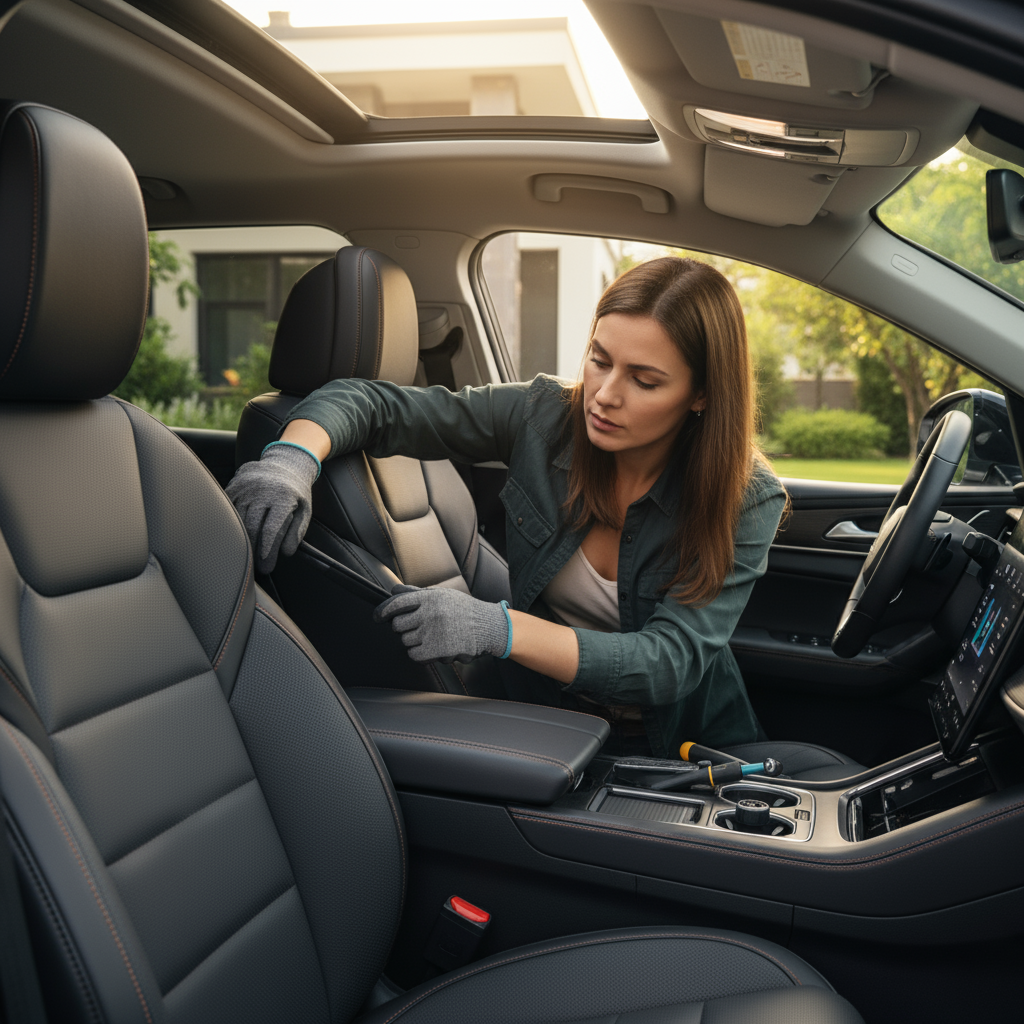
You slide into your car and immediately notice something’s different. Your seats look fresh, protected, and actually have some personality. That’s the magic of good car seat covers—they’re not just about making your interior look better (though they definitely do that). They’re a smart investment that keeps your seats safe from spills, wear, and all the chaos life throws at them. But here’s the thing: installation matters more than most people realize.
Get the installation wrong, and you’re in for a world of frustration. Covers that slip around, bunch up, or—worse—interfere with your airbags? That’s not just annoying; it’s potentially dangerous. When you install seat covers properly, though, they become part of your car. They stay put, look professional, and actually enhance your driving experience. If you’re just getting started with car maintenance, this is a great skill to have in your toolkit—kind of like knowing how to check your car’s oil level. Both are essential for keeping your vehicle in top shape.
Now, let’s talk materials. Leather gives you that premium feel. Neoprene offers serious protection (think wetsuit material for your seats). Polyester keeps things budget-friendly while still doing the job. And the fit? That’s where custom versus universal covers comes into play. Custom covers are tailored specifically for your car model—they fit like a glove but cost more. Universal covers work with most vehicles and won’t break the bank, but you might need to do some extra adjusting. Before you even think about installation, you’ll want to prep your car properly. Clean those seats thoroughly—it’s as important as preparing your workspace when you’re doing something like replacing a car battery. Good prep work makes everything else easier.
Here’s what I’ve learned after years of working on cars: the small details make a huge difference. Understanding your vehicle’s safety features, knowing where the airbags are, recognizing common installation mistakes before you make them—these insights separate a mediocre job from a professional-looking result. It’s the same mindset that helps you appreciate why electric vehicles are changing the game. When you understand the why behind what you’re doing, everything clicks.
What You’ll Learn in This Guide
I’m going to walk you through everything you need to know about installing car seat covers the right way. Here’s what we’ll cover:
- Understanding Different Types of Car Seat Covers: We’ll break down the most popular materials—leather, neoprene, polyester—and what each brings to the table. You’ll also learn when to choose custom fit versus universal covers, and how that decision affects both your installation process and long-term satisfaction.
- Preparing Your Car for Installation: This step is crucial (trust me, don’t skip it). I’ll show you how to clean and clear your seats properly, what tools you’ll actually need, and how to set yourself up for success from the start.
- Step-by-Step Installation Process: This is where we get into the nuts and bolts. I’ll guide you through installing both front and rear covers, including the tricky parts like removing headrests, getting a tight fit, and making sure everything looks smooth and professional.
- Tips to Avoid Common Installation Mistakes: Learn from other people’s mistakes instead of making your own. I’ll share the most common pitfalls (loose covers, airbag positioning issues) and give you maintenance tips to keep everything looking great.
As we go through this process, you’ll notice how each step connects to good automotive care habits overall. (If you’re interested in expanding your car knowledge, checking out how to install a dash cam pairs perfectly with interior protection and customization projects like this one.)
By the time we’re done, you’ll have the confidence to tackle seat cover installation like a pro. More importantly, you’ll know how to choose the right covers for your needs and keep them looking good for years to come. Whether you’re protecting expensive leather seats or just want to add some style to your daily driver, you’ll have the skills to make it happen.
Ready to transform your car’s interior? Let’s start with the fundamentals—materials, tools, and the preparation work that sets you up for success. Your seats (and your passengers) will thank you.
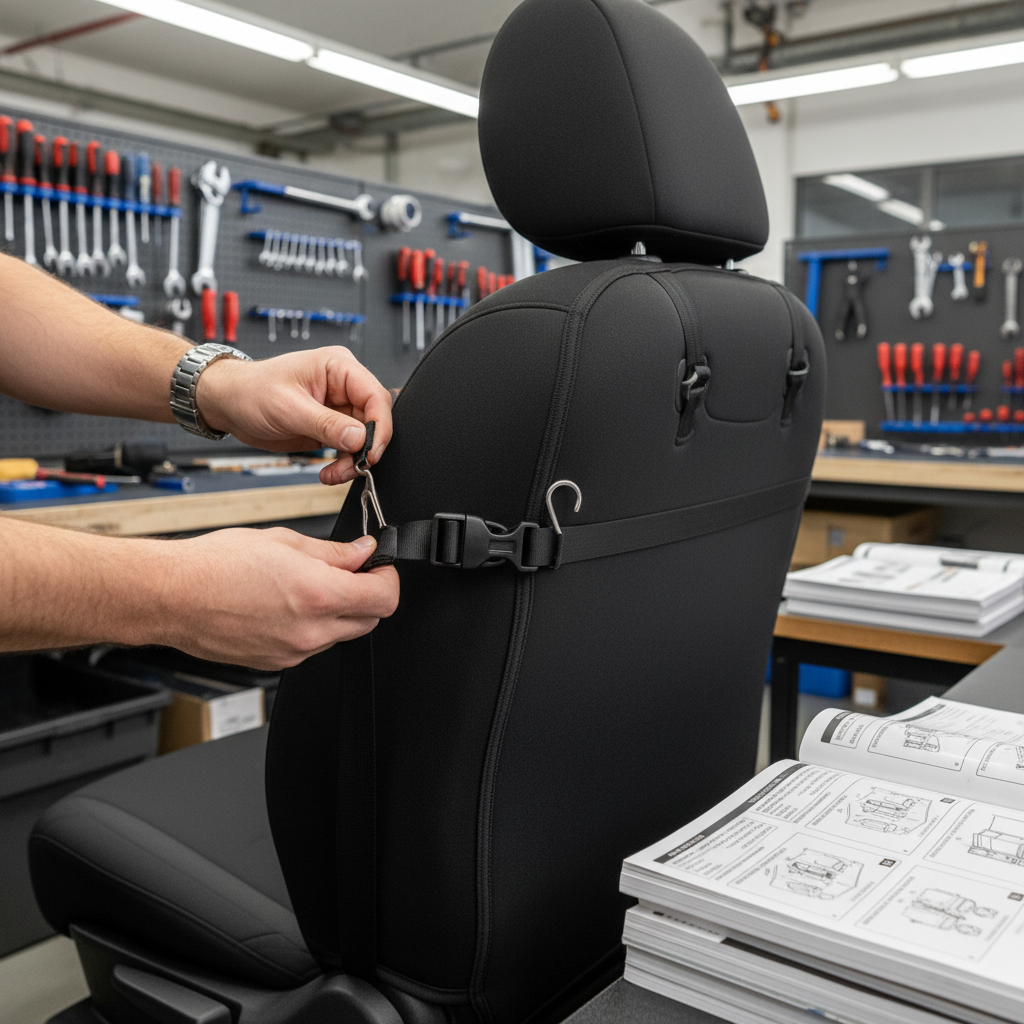
Car seat covers aren’t just another car accessory—they’re your first line of defense against spilled coffee, muddy paws, and that inevitable wear and tear that comes with daily driving. Now that you’ve got the basics down, let’s dig into what really matters: picking the right covers and getting them installed like a pro. Because here’s the thing—when you nail both the selection and installation, you’re not just protecting your seats. You’re upgrading your entire driving experience while keeping those safety features working exactly as they should.
Understanding Different Types of Car Seat Covers
Shopping for car seat covers? You’ve got options—lots of them. And honestly, that’s where things can get overwhelming fast. Each material has its own personality, if you will. Leather covers scream luxury and last forever, but they need some TLC to stay looking sharp. Neoprene? That’s your go-to if you’re the outdoorsy type who tracks in mud and doesn’t think twice about it. Polyester keeps things simple and budget-friendly (plus it’s ridiculously easy to throw in the wash). Then there’s sheepskin—pure comfort that feels like a warm hug, perfect when winter hits hard.
But material is only half the story. You’ve also got to choose between custom-fit and universal covers, and this decision matters more than you might think. Custom-fit covers are like a tailored suit for your seats—they look amazing and fit like they were meant to be there (because they were). The downside? They’ll cost you more and might be harder to find for older vehicles. Universal covers are the Swiss Army knife of seat protection—they’ll work with just about anything, cost less, and you can find them everywhere. The trade-off is that you’ll spend more time during installation making sure everything sits just right.
Key Aspects of Car Seat Cover Types
Here’s what you really need to know when you’re comparing your options:
- Material Durability and Maintenance: Some materials are practically bulletproof—neoprene laughs at spills and mud—while others need a bit more care. Leather looks incredible but needs regular conditioning, or it’ll crack on you faster than you’d expect.
- Comfort and Climate Considerations: Sheepskin feels amazing in Minnesota winters but might leave you sweating in Arizona summers. Polyester hits that sweet spot of being comfortable year-round and breathable enough to keep you happy.
- Fit and Compatibility: This is huge—your covers need to play nice with your airbags and seat adjustments. Custom-fit covers are designed with your specific car in mind, so they won’t interfere with safety features.
- Installation Complexity and Tools Needed: Custom covers often come with clips and hardware designed just for your seats. Universal covers might need some creativity (and maybe a pair of scissors) to get everything looking right.
The secret is finding that sweet spot between your budget, lifestyle, and what you actually need. If you’re looking to level up your overall car care game beyond just seat covers, checking out car maintenance tips for beginners will give you a solid foundation for keeping your entire ride in top shape.
Once you’ve picked your covers, the real fun begins—installation. And trust me, doing it right the first time will save you hours of frustration down the road. A proper install means your covers stay put, look great, and don’t mess with any of your car’s important functions.
Step-by-Step Installation Process
Installation day—this is where your careful planning pays off. Get this part right, and your covers will look professional and stay secure for years. Mess it up? Well, let’s just say wrinkled, loose covers aren’t doing anyone any favors. The key is starting with a clean slate (literally). Clean seats mean better grip and a smoother installation process.
Before you even touch the covers, spend a few minutes getting familiar with your seats. Can you remove the headrests easily? Do your rear seats fold or have armrests? Knowing these details ahead of time will save you from that moment when you’re halfway through installation and realize you’re missing a crucial step. Keep your tools handy—clips, scissors, and that instruction manual you were tempted to toss aside. (Don’t. Seriously, read it.)
Key Installation Tips for Success
These tips will make the difference between a professional-looking job and something that screams “I gave up halfway through”:
- Thorough Seat Preparation: Clean everything first. Crumbs, pet hair, that mysterious sticky spot—get rid of it all. Your covers will thank you by fitting better and lasting longer. Use cleaners that match your original seat material to avoid any nasty surprises.
- Removing Headrests Properly: Most front seat covers need the headrests out of the way. Figure out how your specific car handles this—some lift straight up, others have release buttons. Don’t force it and risk breaking something.
- Gradual Secure Fitting: Take your time working the cover into place. Secure clips as you go and pull everything snug. Those wrinkles you ignore now will drive you crazy every time you get in the car.
- Accommodating Rear Seat Configurations: Rear seats can be tricky with their splits and fold-down sections. Make sure your covers work with these features—you don’t want to lose functionality for the sake of protection.
This attention to detail mirrors what you’ll find in guides like how to install a dash cam, where taking your time and following proper steps makes all the difference in the final result.
After installation, don’t just forget about your covers. A little maintenance goes a long way—adjust them when they shift, clean them according to the care instructions, and they’ll keep your car looking fresh while protecting against stains, wear, and UV damage. Whether you’re driving a compact car, SUV, or pickup truck, well-installed covers that are properly maintained will serve you well for years to come.

Installing car seat covers isn’t just about making your car look better—though that’s definitely a nice bonus. It’s actually one of the smartest moves you can make to protect your investment and keep your seats looking fresh for years to come. Throughout this guide, we’ve walked through everything from picking the right material and style to understanding what makes each type work best for different lifestyles. Here’s what really matters: taking the time to prep your seats properly (yes, that means a thorough cleaning) and getting familiar with your car’s specific features sets you up for success. Plus, you’ll end up with a professional-looking result that works safely with your car’s built-in safety systems like airbags.
Now, here’s where patience pays off big time. Whether you’re tackling the front seats or wrestling with those trickier back seats, rushing through the installation is pretty much guaranteed to leave you frustrated. Trust me—taking your time to get that snug, wrinkle-free fit is worth every extra minute. You’ll avoid those annoying issues like covers that slip around, block important safety features, or (worst case scenario) mess with your seat’s moving parts. When you do it right the first time, your covers will stay put and keep you comfortable for the long haul. And don’t forget about the maintenance part—a little regular adjustment and following the care instructions goes a long way.
Ready to put all this knowledge to work? Start with that deep clean we talked about and gather up all your tools—it makes the whole process so much smoother. Make sure you’re following the specific instructions for your particular seat covers and car setup. Every vehicle is a little different, so those details matter. While you’re on this car improvement kick, you might want to check out our handy how to install a dash cam guide—it’s a great complement to your interior upgrade and adds some serious safety tech to your ride. If you’re new to taking care of your car, our car maintenance tips for beginners will help you keep everything running smoothly. And when your battery starts showing its age, our step-by-step how to replace a car battery tutorial has got you covered. Speaking of being prepared, it’s also smart to think beyond car care—learning how to build an emergency fund gives you that extra peace of mind for whatever life throws your way.
You’ve got all the knowledge you need now to transform your car’s interior with seat covers that actually fit properly and look great while doing their job. The key is staying patient during installation and keeping up with the simple maintenance afterward. Your car’s interior will look amazing, you’ll be more comfortable on every drive, and you’ll have protected one of your biggest investments. That’s what I call a win-win-win situation.
Frequently Asked Questions
-
Can I install car seat covers myself?
- Absolutely! Most car seat covers come with clear instructions that make DIY installation totally doable. The secret is just taking your time and not rushing through the steps.
-
How do I choose the right car seat cover size?
- Grab a measuring tape and get those seat dimensions down to the inch, then check the manufacturer’s sizing charts carefully. This is especially important when you’re deciding between custom-fit and universal options.
-
Will car seat covers block airbags?
- Only if you buy the wrong kind! Look for covers specifically designed to be airbag-compatible—they’re made so your airbags can still deploy properly and keep you safe.
-
How can I clean car seat covers?
- It totally depends on what they’re made of. Always check the care label first—some can go in the washing machine, others need hand washing, and some just need a good wipe-down. Following those instructions will keep them looking great.
-
Are custom-fit covers better than universal ones?
- Custom-fit covers usually give you that sleek, tailored look and better protection since they’re made specifically for your car. The trade-off? They typically cost more and might be harder to find than universal options.