
Table of Contents
Introduction
Here’s a question that might keep you up at night: are you really covered if something goes wrong on the road? Look, I get it—car insurance feels like one of those adult responsibilities that nobody actually enjoys thinking about. But here’s the thing: most drivers are walking around with coverage gaps they don’t even know exist.
Car insurance isn’t just about checking a legal box (though yes, you need it for that too). It’s your financial safety net when life decides to throw you a curveball. And trust me, it will. Over 90% of American drivers carry some form of car insurance, but here’s what’s wild—most of them couldn’t tell you what their policy actually covers if their life depended on it. Sound familiar? Don’t worry, you’re not alone. Getting familiar with coverage types like liability, collision, and comprehensive insurance can help you build a plan that actually makes sense for your situation and budget. If you’re new to this whole insurance thing, checking out insurance basics gives you a solid foundation before we get into the car-specific stuff. And here’s something most people overlook: understanding how insurance deductibles work can save you from some nasty surprises when it’s time to file a claim.
But wait—there’s more to this than just protecting your car. (I know, I sound like an infomercial, but stick with me.) Your insurance is really about protecting your entire financial future. Think about it: one accident could wipe out years of savings if you’re not properly covered. That’s why knowing the ins and outs of insurance claims for car accidents is so important—you want to be prepared, not scrambling to figure things out after something happens. And here’s something that might surprise you: uninsured motorist coverage could be one of the smartest investments you make. Why? Because unfortunately, not everyone on the road is as responsible as you are.
Now, here’s where things get interesting. Insurance rules change from state to state (because why make things simple, right?), so staying informed is part of the game. For example, learning how to spot and report insurance fraud doesn’t just protect your premiums—it helps keep the whole system honest. Plus, if you’re in the market for a new car, knowing how to negotiate car prices can actually impact your insurance decisions too. Better deal on the car? More money in your pocket for better coverage.
What You’ll Learn in This Guide
We’re going to break down everything you need to know about car insurance coverage options—no jargon, no confusion, just straight talk that actually helps you make smart decisions.
- Understanding Core Coverage Types: We’ll walk through the basics like liability, collision, and comprehensive coverage. You’ll learn what each one actually protects and why it matters for your specific situation.
- Exploring Additional Coverage Features: Those optional coverages like uninsured motorist and roadside assistance? We’ll show you which ones are worth your money and which ones you can probably skip.
- Practical Tips for Selecting the Right Policy: Learn how to figure out what you actually need based on your budget, your state’s requirements, and your real-world driving situation.
- How to Manage Claims and Provider Communication: When things go wrong (and sometimes they do), you’ll know exactly what to do, who to call, and what mistakes to avoid.
By the time we’re done here, you’ll understand car insurance in a way that actually makes sense—not just the theory, but how to use it to protect yourself and your vehicle in real life. We’ll talk about deductibles (and how to choose the right one), walk through the claims process step by step, and even cover how to spot fraud before it costs you money. The goal? Making sure every decision you make fits your lifestyle and financial situation.
First up, we’ll start with the core coverage types and break down what each one actually does for you. Think of it as building your insurance foundation—you want to get this part right because everything else builds on top of it. Then we’ll explore those additional coverage options that most people either ignore completely or add without understanding what they’re paying for. (Spoiler alert: some of them are absolutely worth it.) If you’re a new driver or just want to make sure you’re starting off on the right foot, we’ll also cover best auto insurance for new drivers strategies that can save you money from day one.
Finally, we’ll get into the nitty-gritty of actually choosing your coverage. How do you know if you need that expensive comprehensive coverage? What should you consider based on your car’s value and how you drive? We’ll show you how to compare quotes like a pro and what questions to ask that’ll make insurance agents respect your game. By the end, you’ll be able to choose a policy with confidence—knowing you’re getting the protection you need at a price that makes sense.
Now that we’ve covered the basics of car insurance and why understanding your options matters, let’s get into the nitty-gritty. You know what? Car insurance doesn’t have to be complicated—despite what some people might tell you. When you break down the different types of coverage available, it all starts making sense. And here’s the thing: the more you understand how each piece works, the better equipped you’ll be to protect both your car and your wallet. Sure, insurance policies can feel overwhelming at first glance. But once you know what you’re looking at? You’ll be able to choose coverage that actually fits your life instead of just going with whatever the agent suggests.
Types of Car Insurance Coverage: Understanding Your Options
Car insurance isn’t one-size-fits-all—thank goodness for that. Different types of coverage protect you from different risks you face every time you hit the road. Think of it like building your own safety net, where each type of coverage handles a specific scenario. Liability coverage, for instance, is your foundation. Most states require it, and it covers the damage or injuries you might cause to others. (Nobody plans on causing an accident, but they happen.) Getting familiar with these coverage types means you can customize your policy instead of paying for stuff you don’t need—or worse, missing coverage you absolutely do need. If you’re just starting out, understanding auto insurance coverage basics gives you a solid foundation for what’s available and how it all works together.
But liability is just the beginning. Collision and comprehensive coverage? These are the ones that take care of your actual car. Collision coverage kicks in when your car gets damaged in a crash—whether you hit another car, a tree, or that pole in the parking lot (we’ve all been there). Comprehensive coverage handles the stuff that’s completely out of your control: theft, fire, hail damage, or that deer that decides to jump in front of your car. When you combine these coverages smartly, you get real peace of mind. And speaking of smart combinations, learning about managing deductibles can help you control your insurance costs without sacrificing the protection you need.
Key Aspects of Car Insurance Coverage Types
Here’s what you need to know about the main players in car insurance:
- Liability Coverage: This protects you financially if you cause bodily injury or property damage to others, including legal fees. It’s mandatory in most states and forms the core of standard car insurance policies.
- Collision Coverage: Covers repair or replacement costs for your vehicle following a collision with another car or object, regardless of fault. It’s especially important for valuable or newer cars where repair costs can be significant.
- Comprehensive Coverage: Provides protection against covered incidents not involving collisions, such as theft, vandalism, natural disasters, or hitting an animal. This coverage is highly recommended for comprehensive vehicle protection.
- Insurance Deductibles: This is what you pay out-of-pocket before insurance covers the rest. Understanding and selecting the right deductible amount balances your premium costs and your financial risk in claims.
See how that works? Each type of coverage has its own job to do. Now that you’ve got the basics down, let’s talk about the extras—the coverage options that can really make a difference when life gets complicated.
Additional Car Insurance Options: Enhancing Your Coverage
Here’s where things get interesting. Beyond the standard coverage everyone talks about, there are some really valuable add-ons that can save you serious money and hassle. Take uninsured motorist coverage, for example. You’d be surprised how many drivers out there either have no insurance or barely enough to cover a fender bender, let alone a serious accident. This coverage protects you when those drivers cause problems—and trust me, you don’t want to find out the hard way that the person who hit you can’t pay for the damage. These optional coverages fill in the gaps that could otherwise leave you holding the bag financially. If you’re looking to keep costs reasonable while adding these protections, checking out affordable car insurance quotes can help you find the sweet spot between coverage and cost.
Then there’s medical payments coverage—something a lot of people skip but probably shouldn’t. This one covers medical expenses for you and your passengers after an accident, no matter who caused it. Think of it as backup for your health insurance, because medical bills can pile up fast after a crash. And roadside assistance? That’s one of those things you never think about until you’re stuck on the side of the highway with a dead battery or a flat tire. For a few extra dollars a month, you get towing, jump-starts, lockout help—basically, a lifeline when your car decides to quit on you at the worst possible moment.
Key Features of Additional Coverage Options
These extras can make your insurance work harder for you:
- Uninsured/Underinsured Motorist Coverage: Provides financial protection if you’re involved in an accident caused by a driver with no or insufficient insurance. It safeguards against out-of-pocket expenses and medical bills related to such incidents.
- Medical Payments Coverage: Covers medical expenses for you and your passengers following an accident, irrespective of fault. It acts as a supplement to your health insurance, helping cover immediate costs.
- Roadside Assistance: Offers assistance services such as towing, battery jump-starts, flat tire changes, and lockout help. It’s invaluable during emergencies, minimizing inconvenience and additional expenses.
- Personalized Policy Adjustments: Many insurers offer customizable options to fine-tune your coverage, bundling, and discounts that align with your specific needs and budget, ensuring optimal protection and value.
The bottom line? Your insurance should work for your specific situation, not some generic idea of what drivers need. Take the time to figure out which coverages make sense for your budget, your car, your driving habits, and where you live. Because when you need your insurance to work—and you will—you want to know you made smart choices that actually protect what matters to you.
So here’s the deal with car insurance—it’s way more than just checking a box to drive legally. We’ve walked through the big three coverage types (liability, collision, and comprehensive), and hopefully you can see how each one protects a different part of your driving life. Think of it like having multiple safety nets. Then there are those extras like uninsured motorist coverage and roadside assistance that might seem optional until you actually need them. The trick? Finding that sweet spot between solid protection and what you can actually afford.
Here’s what really matters: car insurance isn’t just about following the law. It’s about protecting everything you’ve worked for. Because let’s be honest—one accident can turn your financial world upside down if you’re not prepared. Knowing when to call your insurance company (and what to expect when you do) can make all the difference when you’re dealing with a stressful situation. Nobody wants surprises when filing a claim, right? And here’s something people often forget—your life changes, so your coverage should too.
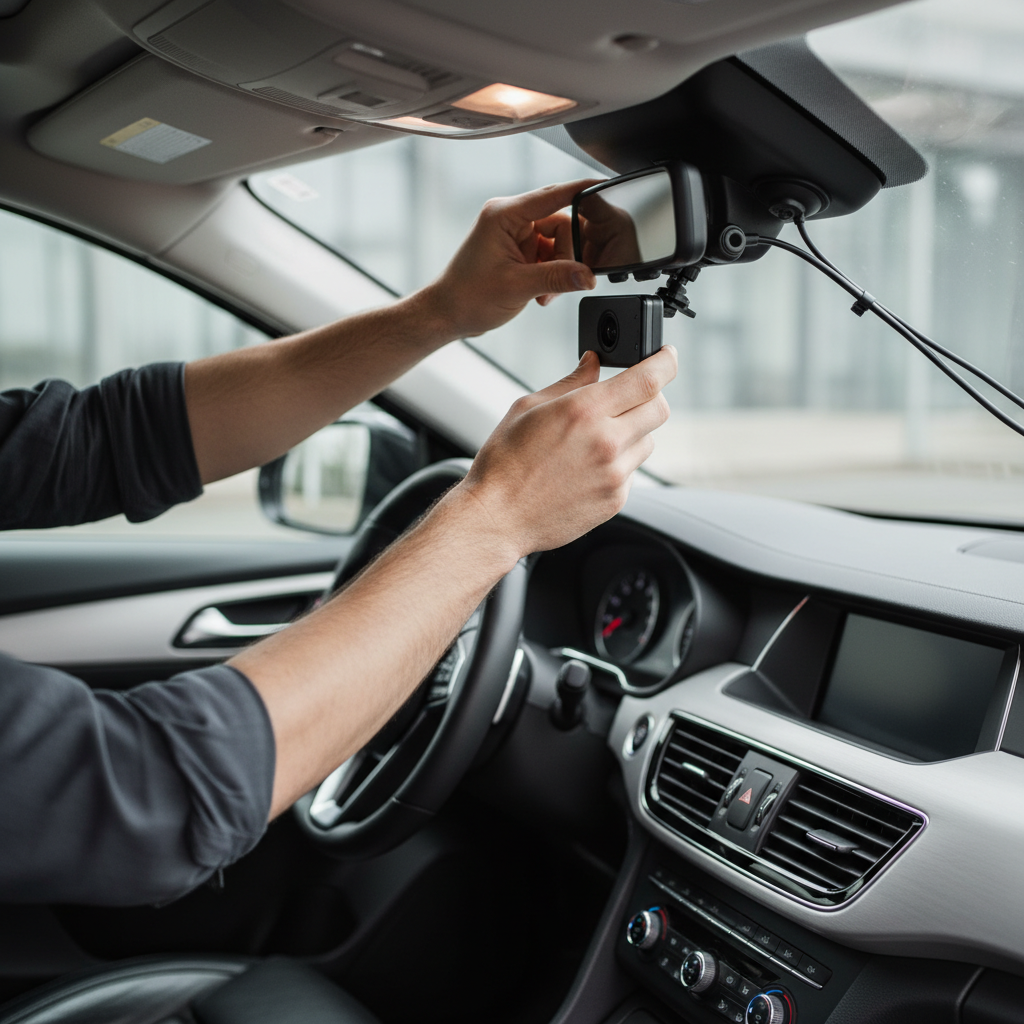
Now that you’ve got the insurance basics down, let’s talk about keeping that car of yours in great shape. Trust me, a well-maintained vehicle can actually help prevent some insurance headaches down the road. If you’re just starting out with car care, check out these car maintenance tips for beginners—they’ll save you money and stress in the long run. And if you haven’t already, learning how to install a dash cam is one of the smartest moves you can make. (Trust me, you’ll want that footage if something happens.) Don’t forget the simple stuff either—knowing how to check car oil level can prevent your engine from becoming an expensive paperweight.
Want to really get ahead of the game? Think bigger picture. Before you even get to insurance, there’s the whole car-buying process. Those tips for negotiating car prices can literally save you thousands—and here’s the kicker: a better purchase price often means lower insurance premiums too. It’s all connected. When you pay less for the car, you typically pay less to insure it. Pretty neat how that works out, isn’t it?
Look, every driver’s situation is different, but everyone can benefit from being smart about this stuff. You’ve got the insurance knowledge now. You know where to find solid maintenance advice. You understand how smart buying decisions ripple through your entire car ownership experience. The bottom line? Take action. Review your current coverage—really look at it. Start taking better care of your car. And the next time you’re car shopping, remember that the price you negotiate today affects your wallet for years to come. With all these pieces working together, you’re not just managing risk—you’re actually enjoying the freedom that comes with knowing you’re covered, no matter what the road throws at you.
Frequently Asked Questions
-
What types of car insurance coverage are legally required?
- Most states require liability coverage as a minimum to protect other drivers and property from damages you may cause.
-
Is comprehensive coverage necessary for all drivers?
- Comprehensive coverage depends on your vehicle’s value and your personal risk tolerance. It’s highly recommended for newer or higher-value cars.
-
Can I change my coverage after purchasing a policy?
- Yes, most insurance providers allow you to adjust your coverage as your needs or circumstances change. Contact your insurer to discuss options.
-
How does uninsured motorist coverage protect me?
- This coverage protects you financially if you’re involved in an accident with a driver who lacks adequate insurance, covering medical bills and property damage.