Top Cars of 2024: Carly Gregg’s Picks
As an automotive enthusiast and contributor to Drive Pulse Daily Blog, I’ve spent countless hours evaluating the standout vehicles that defined 2024. From electrifying performance machines to practical family haulers, this year delivered an exceptional lineup that caters to every type of driver. Whether you’re shopping for your next vehicle or simply curious about what’s making waves in the automotive world, my curated selections represent the best innovations, reliability, and value propositions currently available.
The automotive landscape in 2024 has been shaped by significant advancements in electric vehicle technology, refinements in hybrid powertrains, and a continued emphasis on safety and connectivity features. Manufacturers have responded to consumer demands for sustainability without compromising on driving dynamics or everyday practicality. In this comprehensive guide, I’ll walk you through my top picks across multiple categories, highlighting what makes each vehicle exceptional and why they deserve your attention.
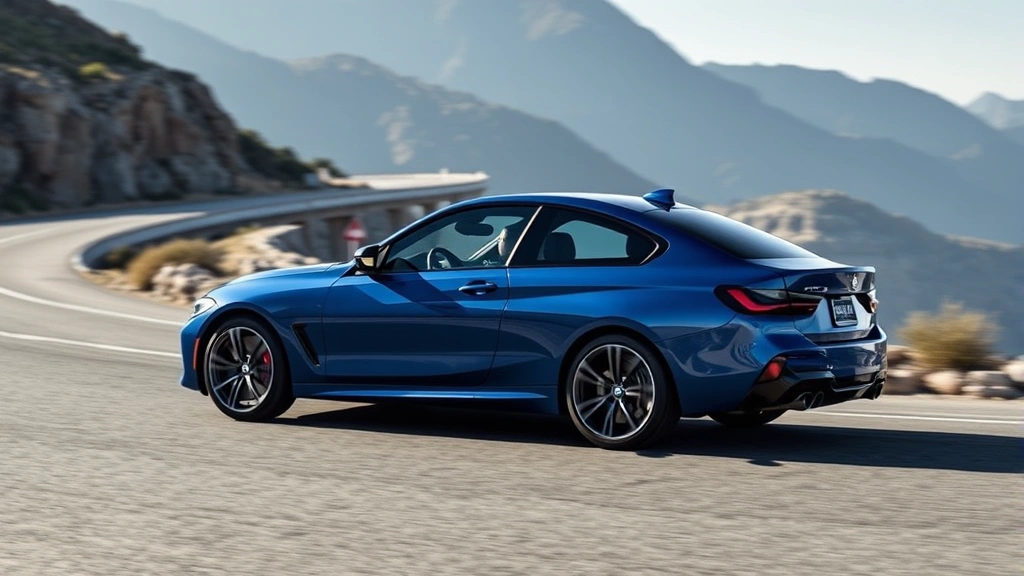
Best Luxury Performance Vehicle: BMW M440i xDrive
The BMW M440i xDrive represents the pinnacle of what happens when German engineering meets modern performance expectations. This magnificent machine combines a turbocharged 3.0-liter inline-six engine producing 382 horsepower with an intelligent all-wheel-drive system that delivers confidence-inspiring handling in virtually any condition. The acceleration is genuinely thrilling—zero to sixty in just 4.5 seconds—yet the vehicle remains remarkably refined during everyday driving.
What truly sets the M440i apart is its intelligent adaptive suspension system. Unlike many competitors that sacrifice comfort for sportiness, BMW has managed to thread the needle perfectly. The air suspension adjusts in real-time to road conditions, smoothing out rough pavement while maintaining the taut, responsive feel that performance enthusiasts crave. The interior is a masterclass in luxury, featuring premium leather, ambient lighting, and the latest automotive technology standards that make every journey enjoyable.
The handling characteristics are particularly impressive. The chassis is well-balanced, offering excellent feedback through the steering wheel without feeling overly communicative or fatiguing. The brake system is powerful and modulated, providing excellent stopping power without any sponginess. For drivers who appreciate the finer points of automotive dynamics, the M440i delivers an experience that justifies its premium pricing.
Top Electric Vehicle: Tesla Model S Plaid
The Tesla Model S Plaid continues to redefine what electric vehicles can achieve in terms of raw performance and efficiency. With three independent motors producing 1,020 horsepower, this sedan accelerates from zero to sixty in an astounding 1.99 seconds—faster than most supercars. Yet beneath this jaw-dropping performance lies a vehicle that’s equally practical for daily driving and road trips.
The Plaid’s 348-mile EPA-estimated range addresses the primary concern many have about advantages of electric vehicles. Tesla’s Supercharger network ensures you’re never far from a charging station, with most locations providing substantial range recovery in under thirty minutes. The regenerative braking system is so effective that traditional brake maintenance becomes almost irrelevant, contributing to lower lifetime ownership costs.
Interior technology is where Tesla truly shines. The 17-inch touchscreen interface is intuitive and responsive, controlling virtually every vehicle function. Over-the-air software updates continuously improve performance and add new features, ensuring your vehicle stays current years after purchase. The minimalist interior design may not appeal to everyone, but it creates an uncluttered, futuristic driving environment that many find refreshing.
Safety ratings are exceptional, with the Model S Plaid achieving some of the highest scores across all NHTSA testing categories. The low center of gravity, thanks to the floor-mounted battery pack, contributes to superior handling dynamics while improving crashworthiness.

Best Family Sedan: Honda Accord 2.0T
The Honda Accord 2.0T represents the evolution of one of automotive history’s most reliable nameplates. This turbocharged sedan delivers 252 horsepower while maintaining impressive fuel efficiency, achieving up to 33 miles per gallon on the highway. For families seeking a practical daily driver that doesn’t sacrifice driving enjoyment, the Accord checks every box.
Reliability is where Honda built its legendary reputation, and the 2024 Accord continues that tradition. The engineering is straightforward and proven, with powertrains that routinely exceed 200,000 miles with minimal maintenance beyond routine service. This dependability translates directly into lower ownership costs and fewer unexpected repairs—critical factors for family budgets.
The cabin is exceptionally quiet, thanks to extensive sound-deadening materials throughout the chassis. Road and wind noise are minimized, creating a serene driving environment perfect for long family road trips. The spacious interior offers genuine comfort for five adults, with excellent legroom in both front and rear seats. The trunk capacity of 16.7 cubic feet accommodates grocery runs, luggage, and everyday cargo with ease.
Technology features are comprehensive without being overwhelming. The touchscreen interface is straightforward, Apple CarPlay and Android Auto integration is seamless, and the driver assistance suite includes adaptive cruise control, lane-keeping assist, and collision mitigation features that enhance safety. For families prioritizing reliability and practicality, the Accord remains unbeatable.
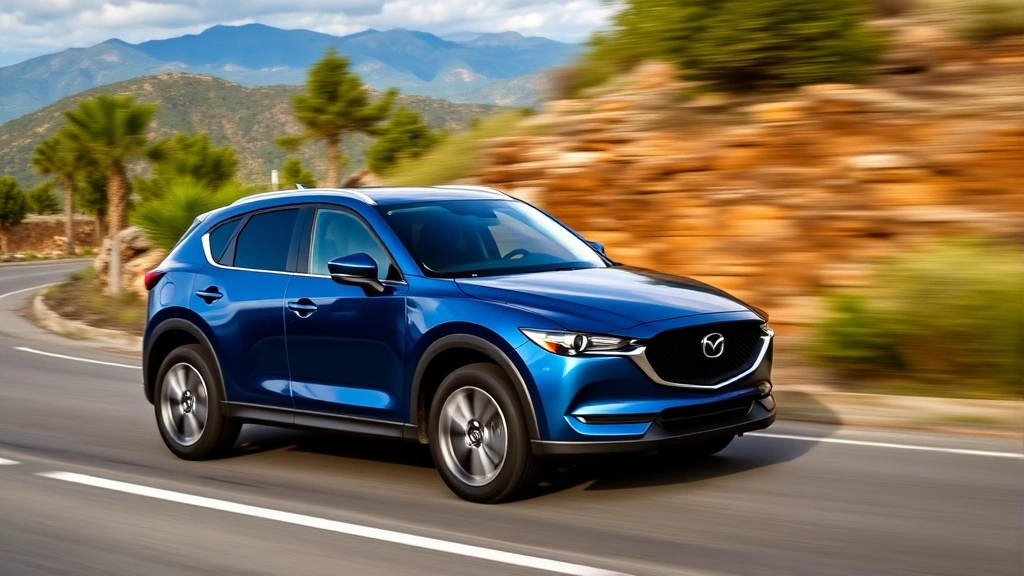
Most Versatile SUV: Mazda CX-5 Turbo
The Mazda CX-5 Turbo exemplifies how a compact SUV can deliver engaging driving dynamics without sacrificing practicality. The turbocharged 2.5-liter engine produces 250 horsepower, providing genuine acceleration while maintaining reasonable fuel economy. The available all-wheel-drive system offers capability for light off-road adventures while maintaining excellent on-road handling.
Mazda’s design philosophy emphasizes driver engagement, and the CX-5 delivers on this promise. The steering is responsive and communicative, the suspension tuning balances comfort with sportiness, and the overall driving experience feels more connected than many competitors. This is an SUV that genuinely enjoys spirited driving, yet remains perfectly composed during commute duty.
The interior design is sophisticated, featuring quality materials and intuitive controls. The infotainment system is responsive and logically organized, with physical buttons complementing the touchscreen interface. Storage solutions throughout the cabin are thoughtfully designed, with numerous cubbies and compartments for organizing daily necessities.
Safety features are comprehensive, including automatic emergency braking, blind-spot monitoring, and rear cross-traffic alert. The cargo area offers 31.4 cubic feet of space with the rear seats up, expanding to 76.5 cubic feet with seats folded—adequate for weekend getaways and active lifestyles. For those seeking an SUV that prioritizes driving enjoyment alongside practicality, the CX-5 Turbo deserves serious consideration.
Best Value for Money: Hyundai Elantra N
The Hyundai Elantra N proves that performance doesn’t require a premium price tag. This turbocharged compact sedan delivers 276 horsepower from a 2.0-liter engine, achieving zero to sixty in approximately 6.1 seconds. More impressively, the base price sits well under thirty thousand dollars, making genuine performance accessible to budget-conscious enthusiasts.
Hyundai’s warranty program is industry-leading, offering ten years or 100,000 miles of powertrain coverage. This confidence in their engineering translates into peace of mind for owners. The overall build quality has improved dramatically, with modern Hyundais rivaling competitors at significantly higher price points.
The Elantra N’s handling characteristics are genuinely engaging. The suspension is well-tuned for responsive cornering without excessive harshness, and the braking system provides excellent modulation. The six-speed manual transmission is a particular delight for driving enthusiasts, offering direct control and mechanical feedback that automatic transmissions struggle to replicate.
Interior materials are respectable for the price point, with supportive sport seats that provide excellent lateral support during spirited driving. The infotainment system is user-friendly, and standard features like Apple CarPlay and Android Auto integration are included across the lineup. When evaluating overall value—combining performance, reliability, warranty coverage, and pricing—the Elantra N is difficult to beat.
Technology and Innovation Leader: Mercedes-Benz E-Class with MBUX Hyperscreen
The Mercedes-Benz E-Class represents the cutting edge of automotive technology and luxury. The optional MBUX Hyperscreen spans the entire dashboard, featuring a 56-inch curved display that consolidates multiple functions into one seamless interface. The technology is not merely impressive for its own sake—it genuinely enhances usability and creates an intuitive user experience.
The E-Class offers multiple powertrain options, from turbocharged four-cylinder engines to plug-in hybrid systems. The hybrid variant provides approximately fifty miles of electric-only range, perfect for daily commutes, while maintaining the flexibility of a traditional engine for longer journeys. The efficiency improvements are substantial, with some hybrid variants achieving impressive fuel economy figures.
Mercedes’ driver assistance technology is among the most advanced available. The system can navigate traffic, maintain lane position, and manage acceleration and braking with minimal driver input. While not full autonomy, these features significantly reduce driver fatigue during extended highway driving.
The air suspension system continuously adjusts to driving conditions, maintaining a smooth ride regardless of road surface. The ride quality is exceptional—both comfortable for daily driving and responsive enough for spirited driving when desired. Premium audio systems from manufacturers like Burmester deliver concert-hall-quality sound, transforming commutes into enjoyable experiences.
For those prioritizing cutting-edge technology, luxury appointments, and comprehensive feature sets, the E-Class remains the benchmark against which competitors measure themselves.
FAQ
What should I prioritize when choosing a 2024 vehicle?
Consider your primary use case—daily commuting, family transportation, performance driving, or off-road capability. Evaluate total ownership costs including fuel or electricity, maintenance, insurance, and depreciation. Test drive multiple vehicles to assess comfort, controls, and overall driving experience. Research reliability ratings and warranty coverage from reputable sources like IIHS to understand long-term dependability.
Are electric vehicles practical for long road trips?
Modern electric vehicles like the Tesla Model S Plaid are increasingly practical for long-distance driving. Charging networks are expanding rapidly, and most vehicles can recover substantial range in thirty minutes or less. Planning charging stops requires more attention than traditional refueling, but it’s entirely manageable for most road trip scenarios. Check charging network coverage along your typical routes before purchasing.
How important is all-wheel drive?
All-wheel drive provides enhanced traction in snow and ice, improving safety in winter conditions. However, it increases cost, reduces fuel economy, and adds complexity. For drivers in regions with mild winters, front-wheel drive is typically adequate. All-wheel drive becomes more important in areas with frequent snow, ice, or unpredictable weather patterns. Consider your local climate when making this decision.
What maintenance costs should I expect?
Maintenance costs vary significantly by manufacturer and model. Japanese brands like Honda and Mazda typically offer lower maintenance expenses due to straightforward engineering and widely available parts. Luxury brands often cost more due to specialized components and service requirements. Car maintenance tips for beginners can help you understand basic service intervals. Budget approximately one thousand to fifteen hundred dollars annually for routine maintenance on most vehicles.
Should I lease or purchase?
Leasing makes sense if you enjoy driving new vehicles with the latest technology, prefer predictable monthly payments, and don’t drive excessive mileage. Purchasing is better if you drive high mileage, keep vehicles long-term, or want to customize your vehicle. Purchase also builds equity over time, whereas lease payments provide no ownership benefit. Calculate total costs for your typical usage pattern to determine the best option.
How do I evaluate safety features?
Check NHTSA crash test ratings and IIHS safety awards. Look beyond headline scores—examine specific test results for frontal, side, and rollover protection. Evaluate active safety features like automatic emergency braking, blind-spot monitoring, and lane-keeping assist, which prevent accidents rather than merely protecting occupants during crashes. Test these systems personally during test drives to assess effectiveness.
What about understanding car insurance coverage options?
Insurance costs vary dramatically based on vehicle type, safety ratings, repair costs, and theft rates. Performance vehicles and luxury brands typically cost more to insure. Before purchasing, obtain insurance quotes to understand true ownership costs. Comprehensive and collision coverage are essential if financing or leasing, while liability coverage is legally required everywhere. Review coverage options annually to ensure adequate protection.
How often should brakes be serviced?
Traditional brake pads typically last thirty thousand to seventy thousand miles depending on driving habits and vehicle weight. Electric vehicles, which use regenerative braking, experience significantly less brake wear. Rather than following fixed intervals, monitor brake pad thickness visually or through brake wear sensors. How to replace car brake pads provides detailed guidance if you’re inclined toward DIY maintenance. Professional inspection during routine service ensures safe operation.
Are 2024 vehicles worth the price?
Vehicle pricing reflects genuine improvements in technology, safety, efficiency, and durability. Modern vehicles offer features that were unimaginable in previous generations, from advanced driver assistance systems to comprehensive connectivity. While prices have increased, so has vehicle lifespan and reliability. Many modern vehicles routinely exceed two hundred thousand miles with proper maintenance. Consider the improved value proposition rather than focusing solely on sticker price.