Table of Contents
Introduction
Ever hit a pothole and wondered if your car just took it a little too hard? That jarring thud might be your suspension trying to tell you something. Your car’s suspension system isn’t just about comfort (though we all appreciate a smooth ride)—it’s literally what keeps you safe and in control when the road gets rough. Think of it as your car’s shock absorber for life’s bumpy moments.
Here’s the thing: suspension maintenance often gets overlooked. We’re great at checking our oil and making sure our tires look decent, but suspension? It’s one of those “out of sight, out of mind” components. Yet it’s working just as hard as any other part of your car. If you’re new to car maintenance, getting the basics down can save you serious money and headaches later. Check out these car maintenance tips for beginners to build a solid foundation. And while you’re at it, learning about tire alignment checks will help you understand how everything connects—because your suspension and tire alignment work together like dance partners.
Now, you might be wondering how suspension ties into other maintenance tasks. Well, it’s all connected. Just like checking your car oil level keeps your engine happy, maintaining your suspension keeps your entire driving experience smooth and safe. A healthy suspension system absorbs road shock, keeps your tires properly planted, and gives you the control you need when you have to swerve around that shopping cart someone left in the parking lot. (We’ve all been there.)
Let’s talk money for a second. Car ownership isn’t cheap, and smart financial decisions matter. If you’re buying a car, knowing how to negotiate car prices effectively can free up budget for the maintenance your vehicle will need. Because here’s a reality check: ignoring suspension problems doesn’t make them go away—it makes them expensive. Really expensive. Catching issues early? That’s where the money-saving magic happens.
What You’ll Learn in This Guide
Ready to become your own suspension detective? This guide will walk you through everything you need to know, step by step. No mechanic jargon, no overwhelming technical stuff—just practical knowledge you can actually use:
- Understanding Car Suspension Basics: We’ll break down what your suspension system actually does and introduce you to its key players, so you’re not flying blind when something goes wrong.
- Identifying Signs of Suspension Problems: Learn to spot the warning signs—from weird tire wear patterns to mysterious noises—that tell you it’s time to take a closer look.
- Simple and Effective Inspection Methods: Discover easy checks you can do at home, including the famous “bounce test” and other techniques that don’t require fancy tools or getting under your car.
- Preventive Maintenance and Troubleshooting: Find out how to keep your suspension happy longer and recognize when you’ve reached the “time to call a professional” point.
By the time you finish reading this, you’ll have the confidence to assess your own suspension system and make informed decisions about its care. You’ll know what’s normal, what’s not, and most importantly, when to act. No more wondering if that bump was just a bad road or something you should worry about.
We’re going to dig into the nuts and bolts of suspension components, teach you to read the signs of wear and tear, and give you hands-on techniques you can use right in your driveway. We’ll also cover when DIY fixes make sense and when it’s time to hand the keys over to a pro. Along the way, we’ll reference helpful resources like checking tire alignment and those essential car maintenance tips to round out your automotive knowledge.
Taking care of your suspension isn’t just about avoiding repair bills—it’s about keeping you and your passengers safe every single day. So let’s get started on this journey to better understanding your car’s unsung hero: the suspension system that keeps your ride smooth, stable, and secure mile after mile.
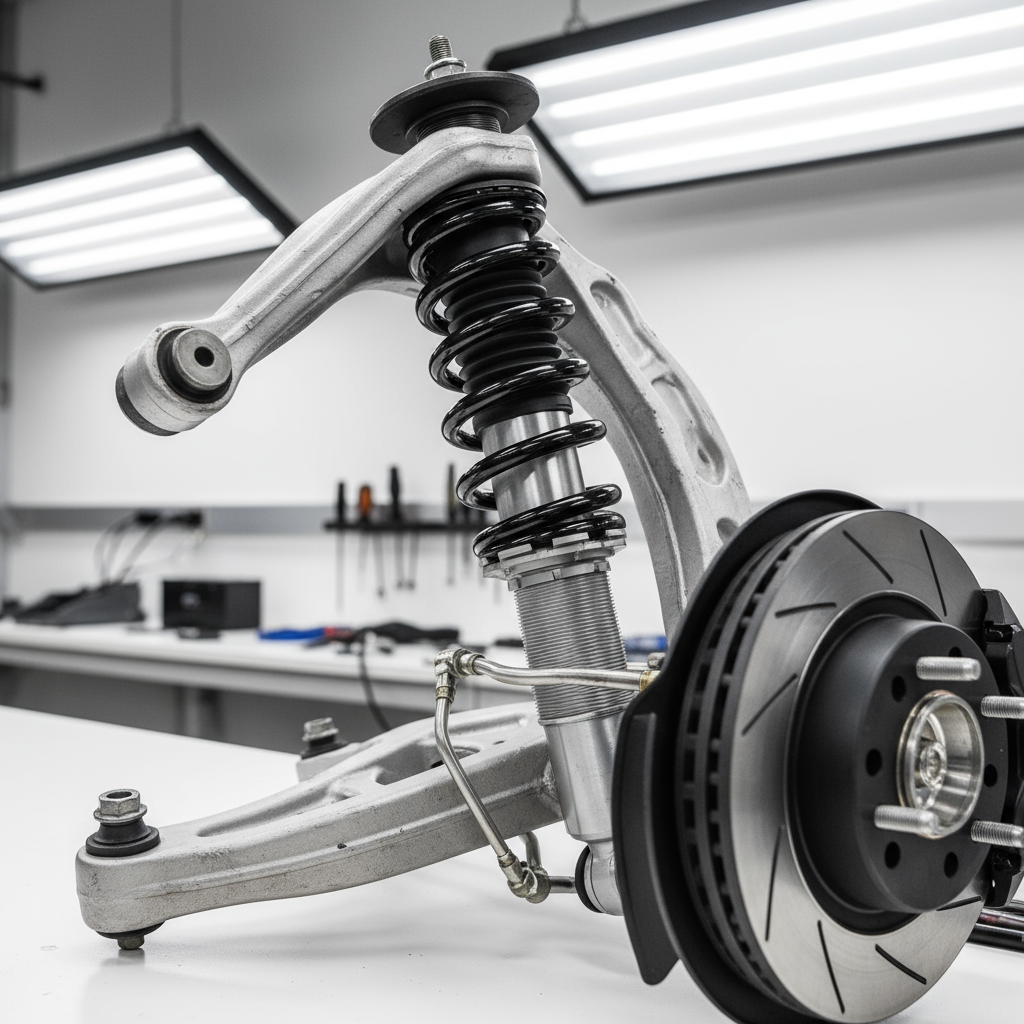
Your car’s suspension does a lot more work than you probably realize. Every bump, pothole, and rough patch of road? Your suspension absorbs all of that punishment so you don’t have to. It’s what keeps your ride smooth and your car stable—and honestly, it’s one of those systems most of us completely ignore until something goes wrong.
Here’s the thing: your suspension isn’t just about comfort (though we all appreciate not feeling like we’re riding in a covered wagon). It’s actually critical for safety. When suspension components start wearing out, your car becomes harder to control. Braking distances get longer. Handling gets sketchy. And if you’re like most drivers, you might not even notice these changes happening gradually until they become dangerous.
The good news? You don’t need to be a mechanic to spot suspension problems early. Once you know what to look for, checking your suspension becomes as routine as checking your oil. So let’s walk through how to catch these issues before they catch you off guard.
Recognizing Signs of Suspension Problems
Your car has a way of telling you when something’s not right—you just need to know how to listen. Suspension problems rarely happen overnight. Instead, they sneak up on you through subtle changes that are easy to miss if you’re not paying attention.
Maybe you’ve noticed your car doesn’t feel quite as stable as it used to. Or perhaps you’re hearing some new noises when you hit bumps. These aren’t random quirks—they’re your car’s way of asking for help. The earlier you catch these signs, the less you’ll pay in repairs down the road. (Trust me, suspension work gets expensive fast if you wait too long.)
For anyone new to car maintenance, getting familiar with these warning signs is crucial. If you want to build your overall car care knowledge, check out these car maintenance tips for beginners—they cover how suspension health connects to your car’s overall performance.
But suspension problems go beyond what you can see. They affect how your car handles, brakes, and steers. If your car starts pulling to one side or takes longer to stop than usual, your suspension might be the culprit. These handling changes aren’t just annoying—they’re dangerous. And often, they’re connected to alignment issues too. If you want to learn more about that connection, this guide on how to check tire alignment explains how suspension and alignment work together.
Visual and Performance Indicators to Watch
Spotting suspension problems means looking for both physical signs and changes in how your car behaves. Keep an eye on these key indicators:
- Uneven Tire Wear: When your tires wear unevenly or faster than they should, it’s often because your suspension isn’t keeping them properly planted on the road. Worn shocks or alignment issues are usually the culprits.
- Noises such as Clunking or Squeaking: Strange sounds when you drive over bumps aren’t normal. Clunking, squeaking, or rattling usually means something’s loose or damaged in your suspension system.
- Vehicle Pulling to One Side: If you have to constantly correct your steering to keep going straight, that’s a red flag. Your suspension or steering components need attention.
- Bumpy or Unstable Ride: Remember how smooth your car used to feel? If you’re bouncing around like you’re on a trampoline, your shocks or springs are probably worn out.
Once you know these warning signs, you can start evaluating your car’s condition yourself. But knowing the symptoms is just the first step—let’s talk about how to actually check your suspension at home.
How to Check Your Car Suspension at Home
You don’t need a garage full of tools to check your suspension. Really. Some of the most effective tests require nothing more than your eyes, ears, and hands. These simple checks can save you from getting blindsided by expensive repairs—and they only take a few minutes.
Think of it this way: would you rather spend five minutes every few months checking your suspension, or get hit with a thousand-dollar repair bill because you didn’t catch a problem early? The choice is pretty obvious when you put it like that.
Plus, when you understand what you’re looking for, you’ll have more productive conversations with your mechanic. Instead of saying “something feels weird,” you can point to specific issues you’ve noticed. That saves time and money. If you’re building your DIY car maintenance skills, these car maintenance tips for beginners will give you a solid foundation for taking better care of your vehicle overall.
The key is knowing when your DIY inspection reveals something that needs professional attention. Some problems you can spot at home are easy fixes. Others require specialized tools and expertise that only a qualified mechanic can provide. The trick is knowing the difference.
Key Checks and Tests for Suspension Condition
These straightforward tests will help you assess your suspension’s condition without any special equipment:
- Visual Inspection: Look at your shocks and struts for any fluid leaks, dents, or obvious damage. Check your springs for breaks or excessive wear. Also, take a close look at your tire wear patterns—they tell you a lot about what’s happening with your suspension.
- Bounce Test: Here’s the classic test: push down hard on each corner of your car and let go. A healthy suspension will bounce once and settle. If it keeps bouncing like a basketball, your shocks or struts are worn out.
- Check for Noises: Take a drive over some bumps or rough roads and listen carefully. Clunking, rattling, or squeaking sounds are your suspension components telling you they need help.
- Steering and Handling Awareness: Pay attention to how your car feels when you drive. Does it pull to one side? Feel unstable in turns? Take longer to stop? These are all signs your suspension might be compromised.
Regular suspension checks like these help you stay ahead of problems instead of reacting to them. But remember—while these tests are great for catching obvious issues, some suspension problems are subtle and require professional diagnostic equipment to detect. When in doubt, have a qualified mechanic take a look. Your safety is worth the investment.

Here’s the thing about your car’s suspension—it’s working harder than you might realize. Every pothole, speed bump, and rough patch of asphalt? Your suspension is there, absorbing those shocks and keeping you comfortable. But it’s not just about comfort. A good suspension system keeps your car stable and helps you maintain control, especially when the weather gets nasty or the road conditions get sketchy.
Getting to know the key players in your suspension game makes a real difference. We’re talking springs, shock absorbers, struts, and control arms—each one has a job to do. And here’s what’s interesting: your car will actually tell you when something’s going wrong. Uneven tire wear, pulling to one side, weird noises during your commute—these aren’t things to ignore. Catch them early, and you’ll save yourself from those wallet-draining repairs (and potentially dangerous situations) down the road.
The good news? You don’t need to be a mechanic to stay on top of this stuff. Simple checks work wonders. Take a few minutes to look for leaks or obvious damage. Try the bounce test—push down on each corner of your car and see how it responds. Listen for unusual sounds when you’re driving. These basic checks put you in the driver’s seat (pun intended) when it comes to your vehicle’s health. Sure, you might be able to handle some simple fixes like tightening loose parts or swapping out bushings. But if symptoms persist or you spot serious damage? That’s when you call in the pros. And those routine maintenance habits—getting your suspension checked during oil changes, keeping your tires properly inflated and rotated—they’re game-changers for extending your suspension’s life.
Don’t wait for something to break. Take action now, and you’ll avoid those dreaded roadside emergencies and surprise repair bills. Want to dive deeper into car care? Check out our car maintenance tips for beginners—it covers all the fundamental stuff to keep your entire vehicle running smoothly. Since your tires and suspension work together like a team, our guide on checking tire alignment will help you make sure everything’s lined up properly and prevent uneven wear. And speaking of safety, your brakes and suspension are best friends when it comes to stopping power—our guide on replacing brake pads is worth a read. Let’s be real though—car repairs can hit your budget when you least expect it. That’s why having a financial cushion matters. This emergency fund guide will help you prepare for those unexpected expenses.
You’ve got the knowledge now. You know what to look for, what to listen for, and when to take action. Regular suspension checks aren’t just about keeping your ride smooth—they’re about keeping you and your passengers safe. Trust what your car is telling you. When something feels off, don’t brush it off. And when you need professional help, don’t hesitate to get it. Take care of your car, and it’ll take care of you. Start paying attention to these details today, and you’ll enjoy years of confident, comfortable driving ahead.
Frequently Asked Questions
-
How often should I check my car suspension?
- It’s recommended to inspect your suspension at least twice a year or during regular vehicle maintenance to catch problems early.
-
Can I check the suspension myself?
- Yes, basic checks like the bounce test and visual inspections of shocks, springs, and tires can safely be done at home.
-
What causes suspension problems?
- Wear and tear from road conditions, accidents, and age are common causes of suspension issues.
-
When should I see a mechanic?
- If you notice persistent noises, handling problems, or visible damage like leaks, it’s important to get professional inspection and repairs.
-
Is it safe to drive with a damaged suspension?
- Driving with suspension issues can be dangerous. Address problems promptly to maintain control, handling, and safety on the road.